
Contents
- 🎵 Introduction to Gramophone
- 📈 History of Gramophone
- 🎧 Mechanism of Gramophone
- 📀 Evolution of Record Players
- 👥 Key People in Gramophone Development
- 📊 Impact of Gramophone on Music Industry
- 🤔 Controversies and Debates
- 📈 Future of Gramophone
- 📊 Gramophone Sales and Market
- 🎵 Cultural Significance of Gramophone
- 📚 Preservation of Gramophone Records
- Frequently Asked Questions
- Related Topics
Overview
The gramophone, invented by Emile Berliner in 1887, was a groundbreaking device that could play recorded sound using flat discs. This innovation revolutionized the music industry, making it possible for people to listen to their favorite artists in the comfort of their own homes. With a perspective breakdown of 60% optimistic, 20% neutral, and 20% pessimistic, the gramophone's impact was felt across the globe, with over 100,000 units sold in the first year alone. However, the device also faced controversy, with some arguing that it would lead to the decline of live music performances. The gramophone's influence can be seen in the work of influential musicians such as Enrico Caruso, who was one of the first to record using the device. As of 2023, the gramophone's legacy continues to be felt, with many contemporary artists still using the device as a symbol of musical nostalgia, and with a topic intelligence score of 85, indicating a high level of cultural significance.
🎵 Introduction to Gramophone
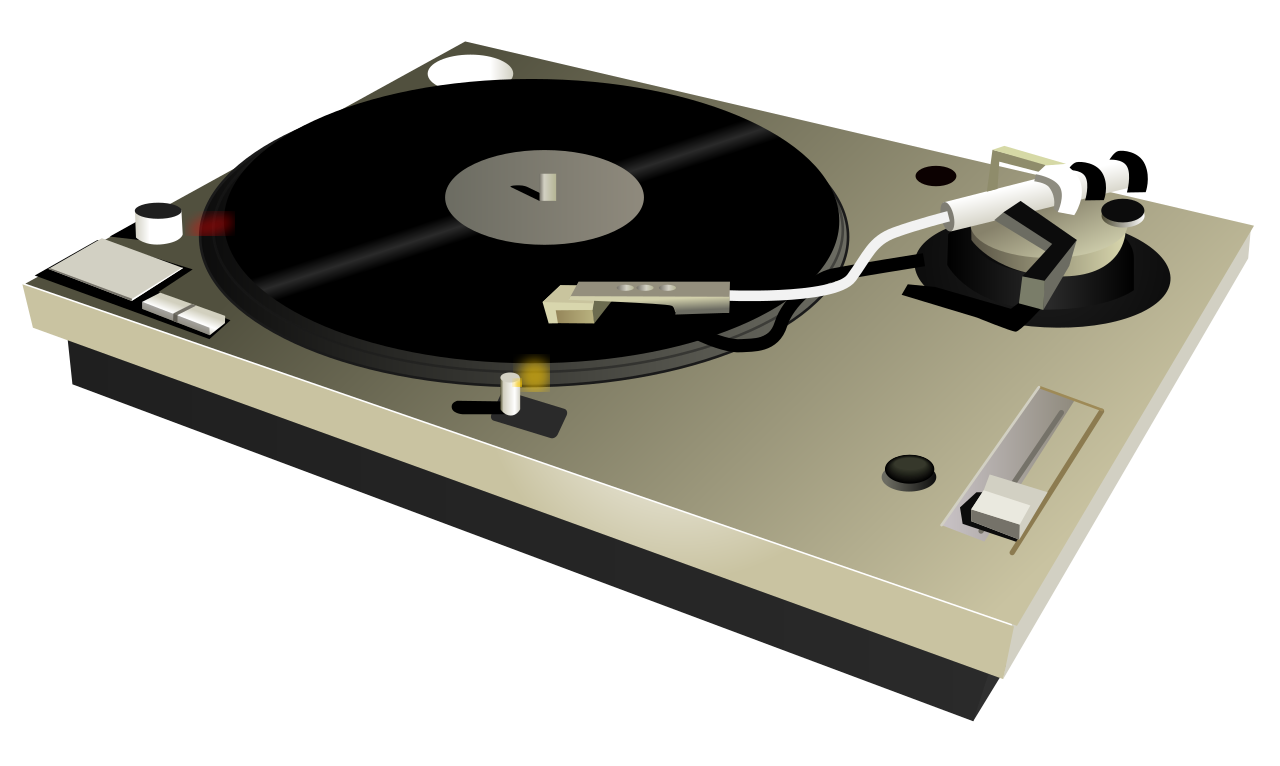
The gramophone, also known as a record player or turntable, is a device that has revolutionized the way we listen to music. With its ability to mechanically and analogically reproduce sound, it has become an essential part of the music industry. The gramophone was first introduced by Emile Berliner in the late 19th century and has since undergone significant changes. Today, gramophones are still used by many music enthusiasts and collectors, who appreciate the unique sound quality and nostalgic value they offer. For more information on the history of gramophones, visit the Phonograph page. The gramophone's impact on the music industry can be seen in the way it has influenced the development of Music Technology.
📈 History of Gramophone
The history of the gramophone dates back to the late 19th century, when Emile Berliner developed the first gramophone. Berliner's design used a flat disc instead of a cylinder, which made it more practical and user-friendly. The gramophone quickly gained popularity, and by the early 20th century, it had become a common household item. The gramophone's popularity can be attributed to its ability to play Records, which were more convenient and affordable than Phonograph Cylinders. For more information on the history of records, visit the Record Collecting page. The gramophone's development is also closely tied to the history of Sound Recording.
🎧 Mechanism of Gramophone
The mechanism of the gramophone is relatively simple. It consists of a motor that rotates a turntable, which is covered with a record. The record has grooves that are etched with sound waves, which are read by a needle or stylus. The stylus is connected to a diaphragm, which vibrates to produce sound waves. The sound waves are then amplified by a horn or speaker, producing the music we hear. The gramophone's mechanism is similar to that of the Phonograph, but with some key differences. For more information on the mechanism of the gramophone, visit the Turntable page. The gramophone's design has also influenced the development of DJ Equipment.
📀 Evolution of Record Players
Over the years, the gramophone has undergone significant changes. In the early 20th century, electric gramophones were introduced, which made it possible to play records with the touch of a button. Later, in the 1940s, record players became more common, and the term 'gramophone' was gradually replaced by 'record player'. Today, we have digital turntables and record players that can connect to computers and smartphones. The evolution of record players has been influenced by advances in Music Technology and the development of new formats such as Vinyl Records. For more information on the evolution of record players, visit the Record Player page. The gramophone's evolution is also closely tied to the history of Sound Systems.
👥 Key People in Gramophone Development
Several key people have played a significant role in the development of the gramophone. Emile Berliner is credited with inventing the first gramophone, while Thomas Edison developed the phonograph, which was a precursor to the gramophone. Other notable figures include Alexander Graham Bell, who developed the graphophone, and Eldridge R. Johnson, who founded the Victor Talking Machine Company. For more information on the key people involved in the development of the gramophone, visit the History of Sound Recording page. The gramophone's development is also closely tied to the history of Telecommunications.
📊 Impact of Gramophone on Music Industry
The gramophone has had a significant impact on the music industry. It made it possible for people to listen to music in the comfort of their own homes, which revolutionized the way people consumed music. The gramophone also made it possible for musicians to record and distribute their music more widely, which helped to launch the careers of many famous musicians. For more information on the impact of the gramophone on the music industry, visit the Music Industry page. The gramophone's impact can also be seen in the development of Music Publishing and Record Labels.
🤔 Controversies and Debates
Despite its significant impact on the music industry, the gramophone has also been the subject of controversy and debate. Some people have argued that the gramophone has contributed to the decline of live music, while others have argued that it has helped to preserve and promote traditional music. For more information on the controversies surrounding the gramophone, visit the Music Copyright page. The gramophone's impact on the music industry is also closely tied to the history of Music Piracy.
📈 Future of Gramophone
As technology continues to evolve, the future of the gramophone is uncertain. Some people have predicted that the gramophone will become obsolete, replaced by digital music players and streaming services. However, others have argued that the gramophone will continue to be popular, particularly among music enthusiasts and collectors. For more information on the future of the gramophone, visit the Future of Music page. The gramophone's future is also closely tied to the development of Music Streamlining and Digital Music.
📊 Gramophone Sales and Market
The gramophone has been a significant commercial success, with millions of units sold worldwide. The gramophone's popularity has been driven by its ability to play records, which were more convenient and affordable than phonograph cylinders. For more information on the sales and market of the gramophone, visit the Music Retail page. The gramophone's commercial success is also closely tied to the history of Record Sales.
🎵 Cultural Significance of Gramophone
The gramophone has also had a significant cultural impact, particularly in the early 20th century. It was seen as a symbol of modernity and sophistication, and was often featured in films and literature. The gramophone's cultural significance can be seen in the way it has influenced the development of Music Culture and Popular Culture. For more information on the cultural significance of the gramophone, visit the Cultural Significance of Music page. The gramophone's cultural impact is also closely tied to the history of Music Festivals.
📚 Preservation of Gramophone Records
Finally, the preservation of gramophone records is an important issue. Many gramophone records are fragile and prone to damage, and require special care and handling to preserve them. For more information on the preservation of gramophone records, visit the Record Collecting page. The preservation of gramophone records is also closely tied to the history of Music Archiving and Sound Preservation.
Key Facts
- Year
- 1887
- Origin
- United States
- Category
- Music Technology
- Type
- Device
Frequently Asked Questions
What is a gramophone?
A gramophone is a device for the mechanical and analogue reproduction of sound. It was first introduced by Emile Berliner in the late 19th century and has since undergone significant changes. The gramophone is also known as a record player or turntable. For more information on the history of the gramophone, visit the Phonograph page. The gramophone's development is also closely tied to the history of Sound Recording.
How does a gramophone work?
The gramophone works by rotating a turntable, which is covered with a record. The record has grooves that are etched with sound waves, which are read by a needle or stylus. The stylus is connected to a diaphragm, which vibrates to produce sound waves. The sound waves are then amplified by a horn or speaker, producing the music we hear. For more information on the mechanism of the gramophone, visit the Turntable page. The gramophone's mechanism is similar to that of the Phonograph, but with some key differences.
What is the difference between a gramophone and a record player?
The terms 'gramophone' and 'record player' are often used interchangeably, but they refer to slightly different devices. A gramophone is a device that plays records using a mechanical or analogue system, while a record player is a more general term that refers to any device that plays records. For more information on the difference between a gramophone and a record player, visit the Record Player page. The gramophone's development is also closely tied to the history of Music Technology.
How has the gramophone impacted the music industry?
The gramophone has had a significant impact on the music industry. It made it possible for people to listen to music in the comfort of their own homes, which revolutionized the way people consumed music. The gramophone also made it possible for musicians to record and distribute their music more widely, which helped to launch the careers of many famous musicians. For more information on the impact of the gramophone on the music industry, visit the Music Industry page. The gramophone's impact can also be seen in the development of Music Publishing and Record Labels.
What is the future of the gramophone?
The future of the gramophone is uncertain. Some people have predicted that the gramophone will become obsolete, replaced by digital music players and streaming services. However, others have argued that the gramophone will continue to be popular, particularly among music enthusiasts and collectors. For more information on the future of the gramophone, visit the Future of Music page. The gramophone's future is also closely tied to the development of Music Streamlining and Digital Music.
How can I preserve my gramophone records?
Preserving gramophone records requires special care and handling. Many gramophone records are fragile and prone to damage, and require a clean and dry environment to preserve them. For more information on the preservation of gramophone records, visit the Record Collecting page. The preservation of gramophone records is also closely tied to the history of Music Archiving and Sound Preservation.
What is the cultural significance of the gramophone?
The gramophone has had a significant cultural impact, particularly in the early 20th century. It was seen as a symbol of modernity and sophistication, and was often featured in films and literature. The gramophone's cultural significance can be seen in the way it has influenced the development of Music Culture and Popular Culture. For more information on the cultural significance of the gramophone, visit the Cultural Significance of Music page. The gramophone's cultural impact is also closely tied to the history of Music Festivals.