
Contents
Overview
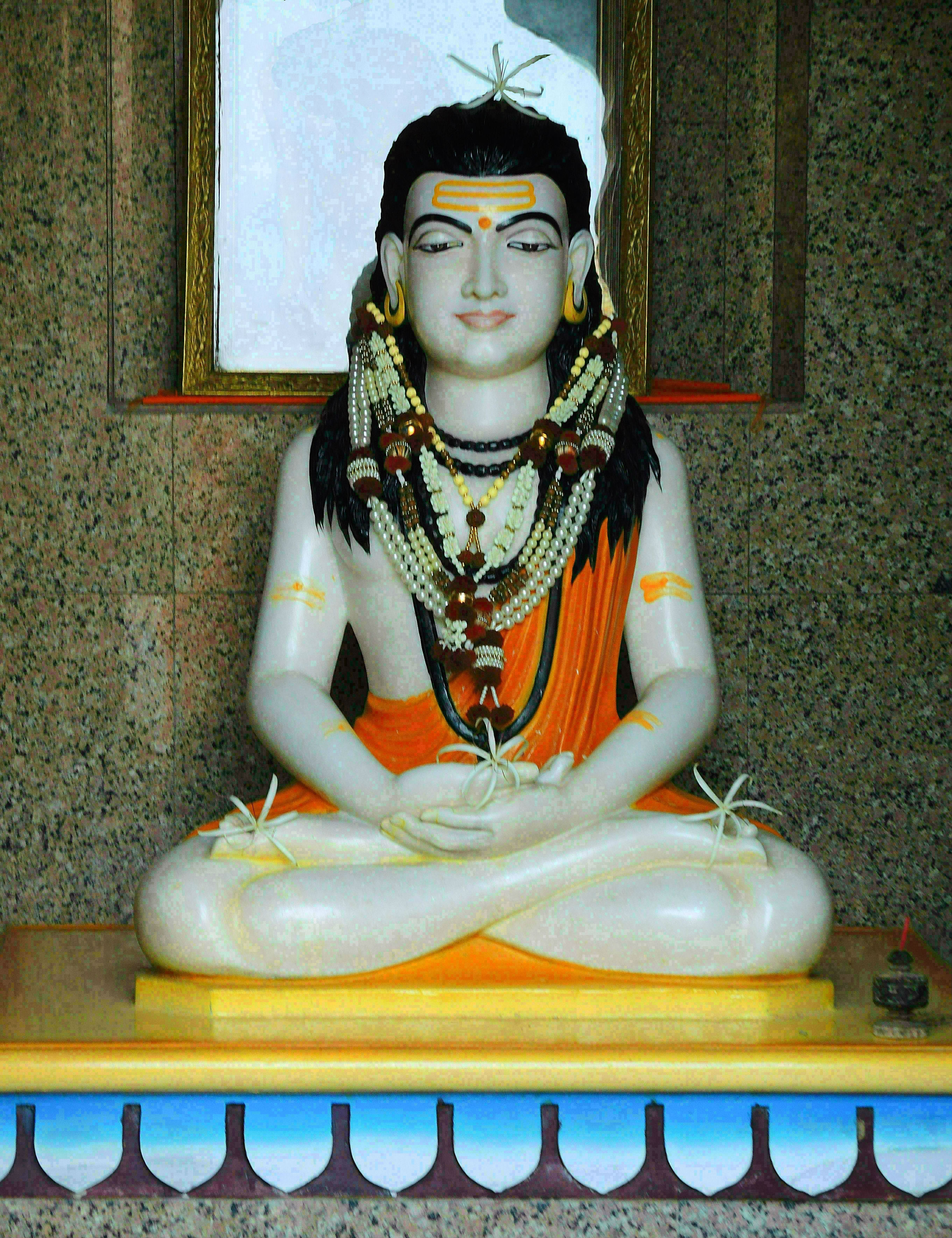
Gorakhnath, also known as Gorakshanath, was a Hindu yogi and saint who lived in the early 11th century. He is considered one of the two disciples of Matsyendranath and the founder of the Nath Hindu monastic movement in India. His followers are known as Jogi, Gorakhnathi, Darshani, or Kanphata. Gorakhnath's teachings have been influenced by Shiva and Hinduism, and he is considered a Maha-yogi (or 'great yogi') in Hindu tradition.
🧘♂️ Philosophy and Teachings
Gorakhnath's philosophy emphasized the importance of yoga, spiritual discipline, and the guidance of a realized master (Guru) as the means to reaching samadhi or spiritual liberation. He did not emphasize a specific metaphysical theory or a particular Truth, but emphasized that the unbiased search for Truth is a valuable and normal goal of man. Gorakhnath's teachings have been compared to those of Buddhism and Tantrism, and have influenced the development of yoga and meditation practices in India. The Nath Sampradaya movement, founded by Gorakhnath, has had a significant impact on Hinduism and continues to influence spiritual practices today.
🌎 Cultural Impact
Gorakhnath's cultural impact extends beyond India, with his teachings influencing spiritual practices in Tibet and Nepal. His emphasis on yoga and spiritual discipline has inspired numerous yoga gurus and spiritual leaders, including Paramahansa Yogananda and B.K.S. Iyengar. Gorakhnath's legacy continues to be felt in the modern world, with his teachings remaining a vital part of Hinduism and yoga practices. The Gorakhnath Temple in Gorakhpur, India, is a major pilgrimage site for followers of Gorakhnath and the Nath Sampradaya movement.
🔮 Legacy and Influence
Gorakhnath's influence can be seen in the many yoga traditions that have developed in India and beyond. His emphasis on the importance of a realized master (Guru) has inspired the development of guru-disciple relationships in many spiritual traditions. Gorakhnath's teachings have also influenced the development of tantric practices and kundalini yoga. The Nath Panth movement, founded by Gorakhnath, continues to be an important part of Hinduism and yoga practices in India and beyond.
Key Facts
- Year
- early 11th century
- Origin
- India
- Category
- history
- Type
- person
Frequently Asked Questions
Who was Gorakhnath?
Gorakhnath was a Hindu yogi and saint who founded the Nath Hindu monastic movement in India. He is considered one of the nine saints, or Navnath, in the spiritual lineage of nine masters with Shiva as their first direct teacher.
What were Gorakhnath's teachings?
Gorakhnath's teachings emphasized the importance of yoga, spiritual discipline, and the guidance of a realized master as the means to reaching spiritual liberation. He did not emphasize a specific metaphysical theory or a particular Truth, but emphasized that the unbiased search for Truth is a valuable and normal goal of man.
What is the Nath Hindu monastic movement?
The Nath Hindu monastic movement is a spiritual tradition founded by Gorakhnath in India. The movement emphasizes yoga, spiritual discipline, and the guidance of a realized master as the means to reaching spiritual liberation.
Who were Gorakhnath's followers?
Gorakhnath's followers are known as Jogi, Gorakhnathi, Darshani, or Kanphata. They are a part of the Nath Sampradaya movement, which continues to be an important part of Hinduism and yoga practices in India and beyond.
What is the significance of Gorakhnath's teachings?
Gorakhnath's teachings have had a profound impact on Hinduism and continue to influence spiritual practices today. His emphasis on yoga and spiritual discipline has inspired numerous yoga gurus and spiritual leaders, and his legacy continues to be felt in the modern world.