
Contents
Overview
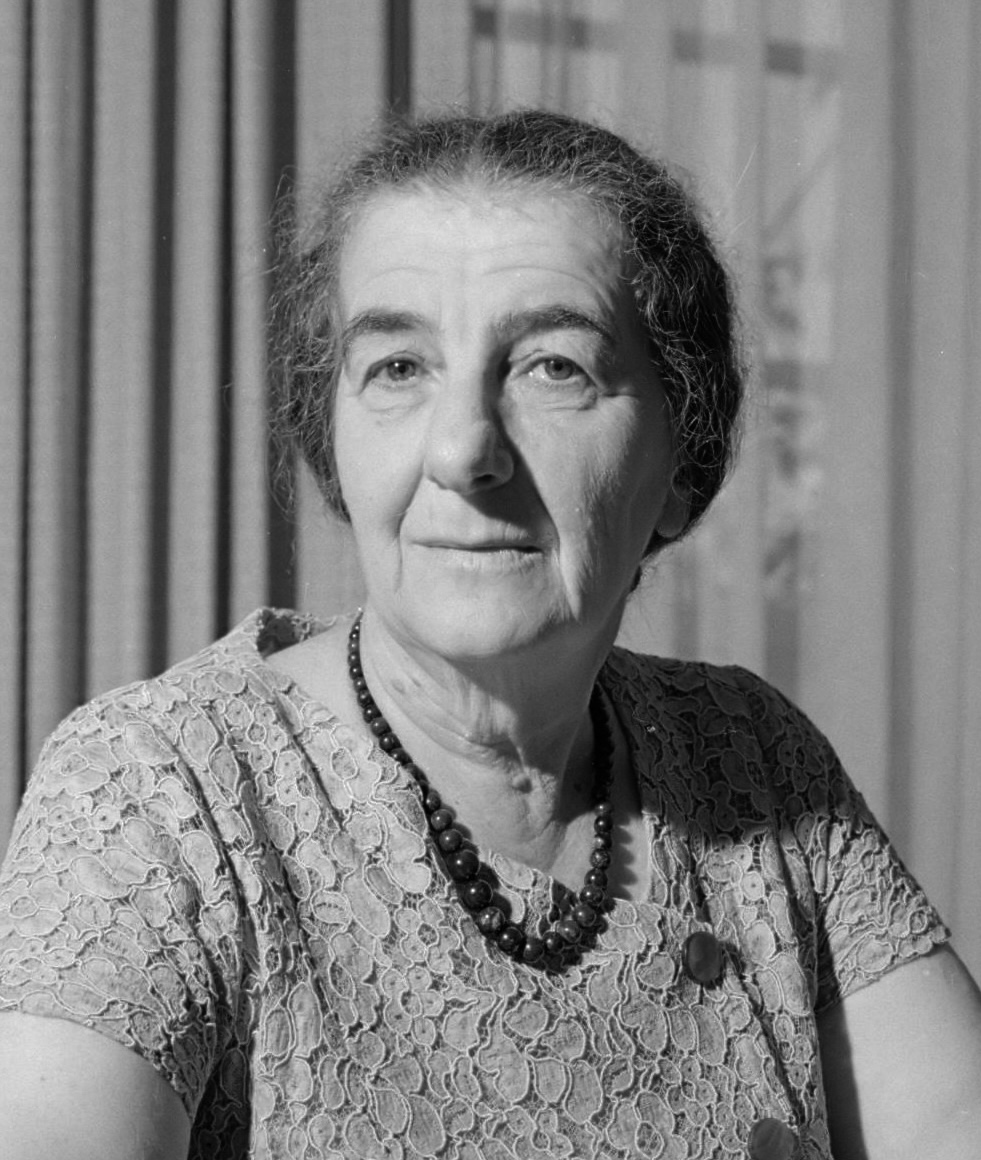
Golda Meir, born Golda Mabovitch in Kyiv in 1898, rose from humble beginnings to become a towering figure in 20th-century geopolitics. Immigrating first to the United States and then to Mandatory Palestine, she became a pivotal leader in the Zionist movement and a signatory of Israel's Declaration of Independence in 1948. Serving in various ministerial roles, including Labor and Foreign Minister, she ultimately ascended to the premiership in 1969, becoming Israel's first and only female Prime Minister. Her tenure was marked by both significant diplomatic achievements and the crucible of the Yom Kippur War in 1973. Meir's legacy is that of a fiercely determined stateswoman who navigated complex international relations and domestic challenges with unwavering resolve, leaving an indelible mark on the State of Israel and the broader Middle East.
🎵 Origins & History
Golda Mabovitch was born in Kyiv, Russian Empire, to a Jewish family that would soon face escalating antisemitism. The family's emigration to Milwaukee, Wisconsin, marked the beginning of a journey that would eventually lead to the establishment of a Jewish state. In Milwaukee, Golda graduated from the Milwaukee State Normal School, where she honed her skills as an educator and became deeply involved in the Labor Zionist movement. Her marriage to Morris Meyerson preceded their immigration to Mandatory Palestine. Settling first in the Merhavia kibbutz, Meir quickly distinguished herself, becoming a representative to the Histadrut trade union.
⚙️ How It Worked: Statesmanship
Meir's statesmanship was characterized by a pragmatic, often unyielding, approach to diplomacy and national security. As Prime Minister during the tumultuous period leading up to and including the 1973 Yom Kippur War, she relied heavily on her close advisors and her own formidable intuition. Her foreign policy often involved leveraging international relationships, particularly with the United States, to secure crucial military and economic aid. Domestically, she navigated the complex political landscape of the Mapai party and its successor, the Alignment, maintaining a strong grip on power through a combination of political acumen and sheer force of will. Her decision-making process, while sometimes criticized for its perceived inflexibility, was driven by a profound commitment to Israel's survival and security.
📊 Key Facts & Numbers
The first woman to hold the office of Prime Minister in Israel. Her foreign minister, Moshe Dayan, was a key figure in her government, and her defense minister during the Yom Kippur War was Elazar Weizman.
👥 Key People & Organizations
Key figures surrounding Golda Meir include her husband, Morris Meyerson, and her son, Menachem Meir. Her political career was deeply intertwined with the Histadrut trade union. She served under and alongside prominent Israeli leaders such as David Ben-Gurion, Moshe Sharett, and Levi Eshkol. As Foreign Minister, she worked closely with Moshe Dayan, who later became her Defense Minister. Her political party, Mapai, and its successor, the Alignment, were the dominant forces in Israeli politics during her rise and premiership. She also had significant dealings with Henry Kissinger, the U.S. Secretary of State during critical periods.
🌍 Cultural Impact & Influence
Golda Meir's image as a strong, maternal leader earned her the moniker "Iron Lady". Her life story became a powerful symbol for Jewish women worldwide, demonstrating that a woman could ascend to the highest levels of political power in a nascent nation. Her speeches and public appearances, often delivered with a characteristic blend of warmth and steely resolve, were widely influential. The establishment of the State of Israel itself, to which she was a signatory, is a monumental cultural achievement she helped shape. Her directness and no-nonsense approach became legendary, influencing perceptions of Israeli leadership on the global stage.
⚡ Current State & Latest Developments
While Golda Meir passed away in 1978, her legacy continues to be debated and re-examined. Contemporary discussions often focus on her leadership during the 1973 Yom Kippur War and the subsequent political fallout, including the Agranat Commission's findings. Her role in shaping early Israeli foreign policy and her relationships with world leaders like Henry Kissinger remain subjects of historical analysis. Biopics and documentaries continue to explore her life, offering new perspectives on her complex character and the era she navigated. The ongoing geopolitical situation in the Middle East often brings her decisions and their long-term consequences back into public discourse.
🤔 Controversies & Debates
The legacy of Golda Meir is far from universally celebrated, particularly concerning her premiership during the 1973 Yom Kippur War. Critics argue that her government was caught off guard due to intelligence failures and that her initial response was too slow, leading to significant casualties. The Agranat Commission, established to investigate the war's failures, criticized the performance of military intelligence and the Chief of Staff but largely absolved Meir and Dayan of direct responsibility, a conclusion that remains contentious for some. Furthermore, her hardline stance on peace negotiations with Arab neighbors, particularly her refusal to negotiate directly with Yasser Arafat and the PLO, is viewed by some as a missed opportunity for peace, while others defend it as a necessary stance given the political realities of the time.
🔮 Future Outlook & Predictions
The future outlook for Golda Meir's legacy involves continued scholarly debate and public reinterpretation. As new historical documents emerge and geopolitical contexts shift, her decisions, particularly concerning national security and peace negotiations, will likely be re-evaluated. The ongoing quest for a resolution to the Israeli-Palestinian conflict may lead to renewed scrutiny of her policies and their impact on the region's trajectory. Future historical analyses might also explore the evolving perception of female leadership in international politics, with Meir serving as a foundational, albeit complex, case study. The potential for new biographical works or dramatic adaptations could further shape public understanding of her life and times.
💡 Practical Applications
Golda Meir's life offers practical lessons in leadership, resilience, and the art of diplomacy under extreme pressure. Her ability to build and maintain crucial alliances, particularly with the United States, demonstrates the importance of strategic international partnerships. Her early career in the Histadrut highlights the power of grassroots organizing and the foundational role of labor movements in nation-building. Furthermore, her journey from immigrant to Prime Minister serves as a powerful narrative of determination and ambition, illustrating how individuals can overcome significant obstacles to achieve positions of immense influence. Her approach to crisis management, though debated, provides case studies for leaders facing existential threats.
Key Facts
- Category
- history
- Type
- person