
Contents
Overview
The genesis of Gettysburg National Military Park lies in the immediate aftermath of the Civil War's most consequential battle. Recognizing the historical significance and the need to preserve the battlefield from further development and desecration, veterans and civilians began advocating for its protection. This movement culminated in the park's official establishment on February 11, 1895, by an act of Congress. Initially managed by a commission, oversight was transferred to the National Park Service in 1933, ensuring its long-term preservation and interpretation. The park's boundaries have expanded over time, incorporating additional acreage to protect vital support areas and commemorative sites, reflecting a continuous effort to safeguard the integrity of the historical landscape.
⚙️ How It Works
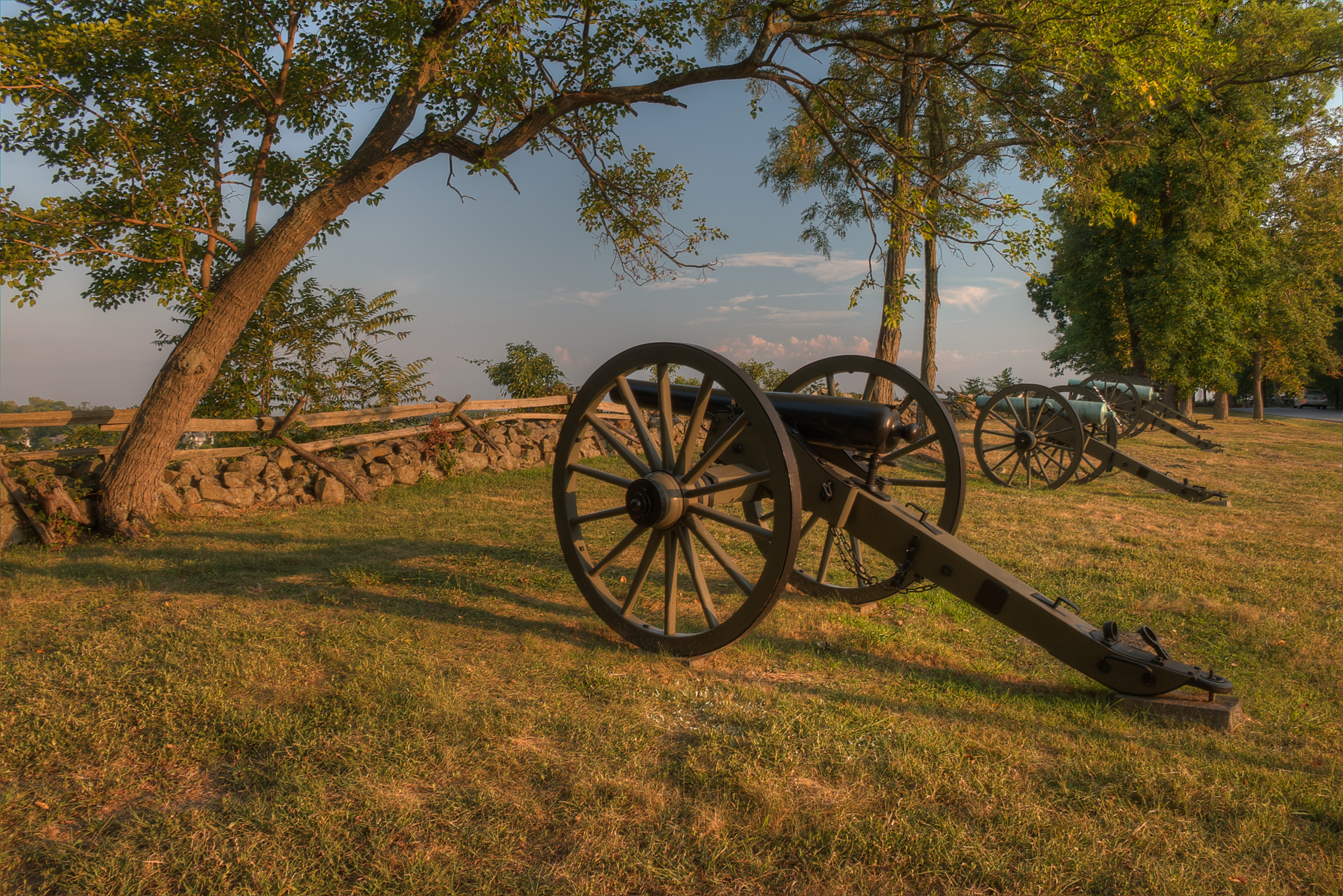
Gettysburg National Military Park functions as a living museum and an active memorial. Its core operation involves the preservation of the battlefield's physical integrity, including the terrain, monuments, and earthworks, as they existed during the 1863 conflict. Interpretation is achieved through a network of interpretive trails, visitor centers, ranger-led programs, and extensive signage that detail troop movements, key engagements, and the experiences of soldiers and civilians. The park also manages the Soldiers' National Cemetery, a sacred burial ground for Union soldiers, and facilitates educational outreach programs for schools and the public, aiming to foster a deep understanding of the battle's strategic importance and its enduring legacy on American history.
📊 Key Facts & Numbers
The scale of the Battle of Gettysburg, and thus the park's significance, is staggering. The battle raged across approximately 3,785 acres, a figure that has grown to encompass 1,605 hectares of protected land. Over three days, an estimated 165,000 soldiers from the Union Army of the Potomac, led by Major General George G. Meade, and the Confederate Army of Northern Virginia, commanded by General Robert E. Lee, clashed. The human cost was immense, with an estimated 51,000 casualties (killed, wounded, or missing) reported, making it the bloodiest battle of the war. The Soldiers' National Cemetery at Gettysburg is the final resting place for over 3,500 Union soldiers, with an additional 979 Confederate prisoners of war buried there, many unidentified.
👥 Key People & Organizations
The park's narrative is inextricably linked to pivotal figures of the Civil War era. Major General George G. Meade commanded the Union forces, achieving a decisive victory. General Robert E. Lee led the Confederate invasion of the North, a campaign that ended in defeat at Gettysburg. President Abraham Lincoln's presence, marked by his profound Gettysburg Address, cemented the battle's place in national consciousness. The park itself is administered by the National Park Service, an agency dedicated to preserving America's natural and cultural heritage. Key organizations like the Gettysburg Foundation play a crucial role in supporting the park's operations and educational initiatives through fundraising and volunteer efforts.
🌍 Cultural Impact & Influence
Gettysburg's cultural resonance extends far beyond its historical significance. The battle is widely considered the war's turning point, shifting the momentum decisively in favor of the Union and effectively ending Confederate hopes of foreign recognition. President Lincoln's Gettysburg Address, delivered at the dedication of the Soldiers' National Cemetery, is one of the most famous speeches in American history, reframing the war as a struggle for equality and the preservation of democracy. The battlefield itself has become an iconic symbol of American sacrifice and national unity, inspiring countless books, films, and documentaries, including works like Ken Burns's Civil War documentary series, which brought the conflict to a new generation.
⚡ Current State & Latest Developments
In recent years, Gettysburg National Military Park has focused on enhancing visitor experience and expanding its interpretive reach. Efforts are underway to preserve and interpret additional sites associated with the battle's periphery, such as the Robert E. Lee Headquarters, ensuring a more comprehensive understanding of the campaign. The park continues to grapple with the challenges of maintaining its vast landscape against environmental pressures and the impacts of climate change. Furthermore, the park is actively engaged in digital initiatives, including virtual tours and online educational resources, to make its historical narrative accessible to a global audience, especially in light of events like the COVID-19 pandemic which necessitated new modes of engagement.
🤔 Controversies & Debates
The preservation of Gettysburg is not without its debates. One ongoing discussion revolves around the interpretation of the battle and the motivations of the soldiers, with ongoing scholarship seeking to provide a more nuanced understanding beyond simplistic narratives of heroism or villainy. There are also discussions regarding the appropriate balance between historical preservation and modern visitor access, particularly concerning the development of infrastructure around the park. Furthermore, the park, like many historical sites, faces the challenge of addressing the complex legacy of slavery and the Confederacy, ensuring that its interpretation reflects the full scope of the war's causes and consequences, including recent calls to contextualize Confederate monuments more critically.
🔮 Future Outlook & Predictions
The future of Gettysburg National Military Park will likely involve a continued emphasis on technological integration for interpretation and preservation. Advanced techniques in battlefield archaeology and digital mapping may offer new insights into troop movements and the human experience of the battle. The park will also need to adapt to evolving visitor expectations, potentially incorporating more immersive and interactive elements while remaining true to its solemn purpose. As climate change impacts landscapes nationwide, Gettysburg will face increasing pressure to implement sustainable preservation strategies. There's also a growing interest in exploring the experiences of marginalized groups during the Civil War era, potentially broadening the park's narrative beyond traditional military history.
💡 Practical Applications
Gettysburg National Military Park serves as a profound educational resource for students, historians, and the general public. Its preserved landscape offers a tangible connection to the past, allowing visitors to walk the same ground where critical decisions were made and immense sacrifices occurred. The park's interpretive programs and visitor center provide detailed historical context, making complex military strategies and the human toll of war accessible. For history enthusiasts, it's an unparalleled site for understanding the strategic turning point of the Civil War and the enduring ideals of American nationhood, as articulated in the Gettysburg Address.
Key Facts
- Category
- history
- Type
- place