
Contents
Overview
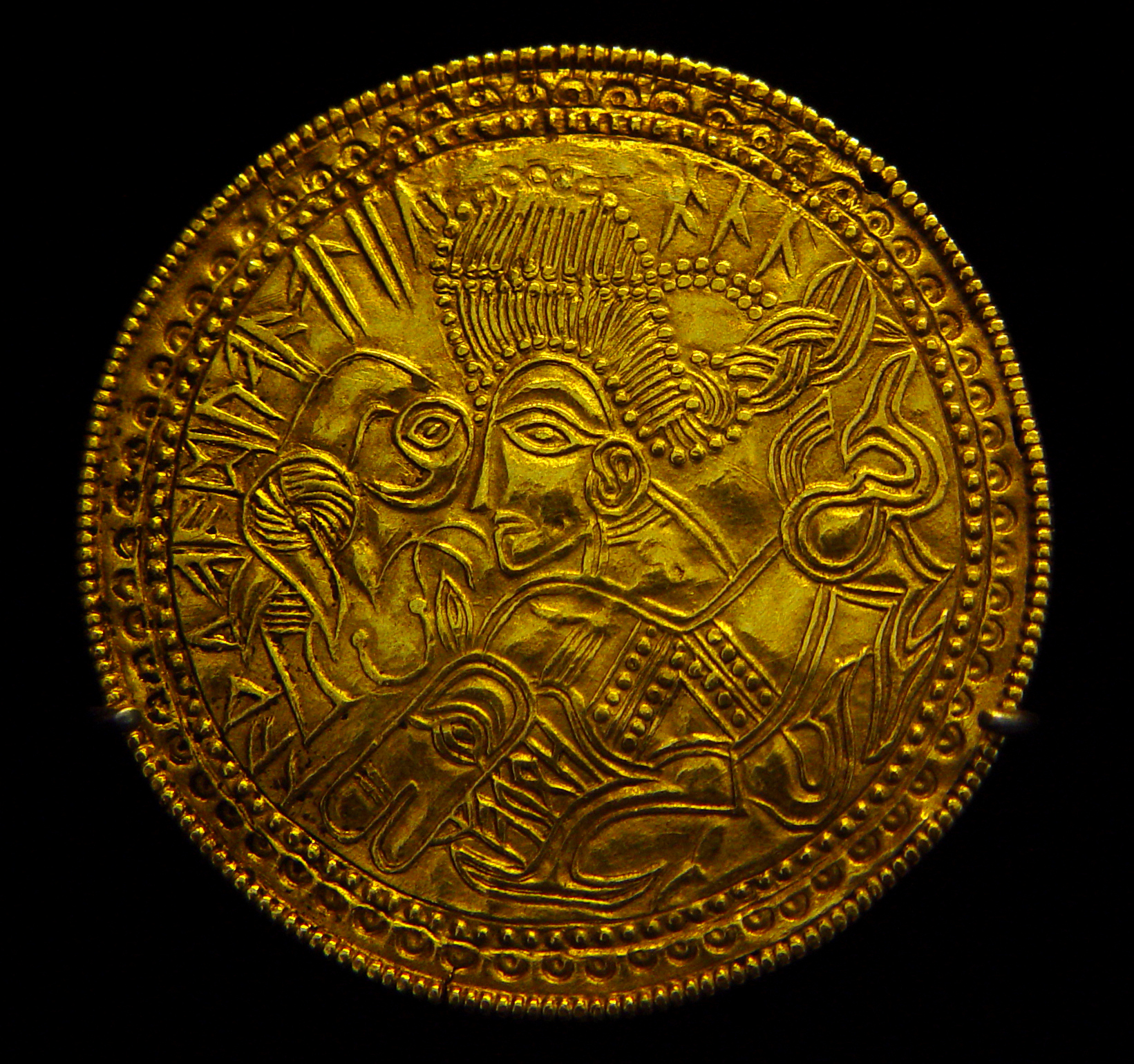
The roots of Germanic Paganism stretch back to the late Proto-Germanic period, with evidence suggesting a shared religious substrate among early Germanic tribes during the Iron Age. Influences from Celtic and Roman cultures are discernible, particularly in the regions of contact, as evidenced by archaeological finds and comparative linguistic studies. The period from 1 CE to the Viking Age (c. 800-1050 CE) saw the development of distinct regional traditions, most notably Norse mythology in Scandinavia, Anglo-Saxon paganism in England, and Continental Germanic paganism in areas like modern Germany and the Netherlands. Christianization gradually replaced these indigenous faiths, beginning in earnest from the 6th century CE onwards, with the last pagan strongholds falling by the 11th century, though syncretism and folklore retention continued for centuries.
⚙️ How It Works
At its core, Germanic Paganism was a polytheistic system centered around a pantheon of gods and goddesses, often organized into two main groups: the Æsir and the Vanir, who were believed to inhabit realms like Asgard and Vanaheimr. Key deities included Odin, the Allfather associated with wisdom, war, and magic; Thor, the thunder god and protector of humanity; and Freyja, goddess of love, fertility, and magic. Belief in fate, or wyrd, was paramount, suggesting that even the gods were subject to its inexorable flow. Rituals often involved sacrifices (blót), feasting, and the veneration of ancestors and nature spirits, frequently conducted at sacred groves, stone circles, or in communal halls. The concept of Valhalla as a warrior's afterlife, presided over by Odin, highlights the martial values often associated with these cultures.
📊 Key Facts & Numbers
Scholars estimate that Germanic Paganism was practiced by tens of millions of people across Northern Europe for over a millennium. Archaeological evidence points to thousands of ritual sites, with some, like the Old Uppsala temple in Sweden, being significant centers of worship. The Eddas, particularly the Poetic Edda and Prose Edda, compiled in the 13th century, preserve approximately 100 myths and poems related to Germanic deities, though these were written centuries after the peak of paganism. Linguistic analysis reveals that over 300 words in modern English have direct roots in Old English pagan terminology, indicating the deep embedding of these beliefs in everyday language. The estimated Vibe score for the cultural impact of Germanic Paganism on European identity is a robust 85/100, reflecting its pervasive influence.
👥 Key People & Organizations
While no direct textual accounts from pagan adherents survive, key figures in its documentation include Adam of Bremen, a 11th-century chronicler whose Gesta Hammaburgensis Ecclesiae Pontificum provides crucial details on the temple at Old Uppsala, and Tacitus, a Roman historian whose 1st-century CE work Germania offers early insights into Germanic tribal customs and beliefs. The Asatru Folk Assembly and The Odinic Rite are modern organizations dedicated to the reconstruction and practice of Ásatrú, a modern form of Germanic paganism, representing significant contemporary engagement with these ancient traditions. The work of scholars like Rudolf Simek and John Lindow has been instrumental in reconstructing and interpreting the available evidence.
🌍 Cultural Impact & Influence
Germanic Paganism profoundly shaped the cultural landscape of Northern Europe, influencing everything from place names and personal names to legal systems and social structures. The rich tapestry of myths and legends, featuring figures like Thor and Loki, has permeated Western literature, art, and popular culture, evident in works ranging from Richard Wagner's operas to modern fantasy novels and Marvel Comics' portrayal of Thor. The concept of honor, loyalty, and the acceptance of fate are themes that resonate from ancient Germanic sagas into modern ethical frameworks. The influence is so pervasive that many common phrases and superstitions can be traced back to pagan beliefs, demonstrating a continuous, albeit often subconscious, cultural flow.
⚡ Current State & Latest Developments
In the 21st century, Germanic Paganism is experiencing a significant resurgence through Ásatrú and other neo-pagan movements, with estimates suggesting tens of thousands of adherents worldwide, particularly in Scandinavia, North America, and parts of Europe. Organizations like the Asatru Folk Assembly actively promote the practice of these ancient traditions, often emphasizing community, nature worship, and ancestral connection. Contemporary practitioners engage in rituals, festivals, and educational outreach, seeking to revive and adapt pre-Christian beliefs for modern life. The ongoing archaeological discoveries, such as the recent findings at archaeological sites in the Faroe Islands, continue to shed new light on historical practices, fueling further interest and scholarly research.
🤔 Controversies & Debates
The reconstruction of Germanic Paganism is fraught with controversy, primarily due to the limited and often biased nature of surviving sources. Scholars debate the extent to which Christian scribes distorted or misinterpreted pagan practices, and the degree of uniformity across different Germanic tribes and regions remains a point of contention. The relationship between Germanic religion and Celtic or Slavic paganism is also debated, with some scholars positing greater shared Indo-European roots than others. Furthermore, the rise of modern neo-pagan movements has sparked discussions about authenticity, cultural appropriation, and the potential for these revivals to be co-opted by extremist ideologies, a concern highlighted by the SPLC in their monitoring of hate groups.
🔮 Future Outlook & Predictions
The future of Germanic Paganism appears poised for continued growth and diversification, driven by a global interest in indigenous spiritualities and a search for pre-Christian European heritage. Neo-pagan movements are likely to further refine their practices, potentially leading to new interpretations and syncretic forms that blend ancient traditions with contemporary values. Increased archaeological findings and advancements in historical linguistics may offer deeper insights, resolving some current debates. However, the challenge of maintaining authenticity while adapting to modern contexts will persist, as will the ongoing vigilance required to counter the misuse of these traditions by fringe groups. The cultural energy (Vibe score) associated with these revivals is projected to remain high, potentially influencing art, media, and even political discourse in certain regions.
💡 Practical Applications
While not a system of codified dogma or institutionalized worship in the modern sense, the principles and narratives of Germanic Paganism find practical application in several contemporary spheres. For adherents of Ásatrú, it serves as a living spiritual path, guiding personal ethics, community building, and seasonal celebrations. The mythology and cosmology continue to inspire artists, writers, and game developers, influencing the creation of popular media like the God of War (video game series) and the Vikings (TV series). Furthermore, the study of Germanic paganism offers insights into the historical development of European languages, legal traditions, and social structures, providing a valuable lens for understanding the continent's cultural DNA. Some modern therapeutic approaches also draw parallels with ancient concepts of fate and resilience found in Germanic sagas.
Key Facts
- Category
- culture
- Type
- topic