
Contents
Overview
The geopolitics of nuclear weapons is the study of how nuclear arms shape international relations, power dynamics, and global security. It encompasses the strategic doctrines, arms races, proliferation concerns, and diplomatic efforts surrounding these devastating devices. Since the Manhattan Project first unlocked nuclear fission for military use, the existence of nuclear weapons has fundamentally altered warfare and diplomacy, creating a precarious balance of terror. The nine states possessing nuclear weapons—the United States, Russia, China, France, United Kingdom, Pakistan, India, Israel, and North Korea—wield immense strategic influence, while the Treaty on the Non-Proliferation of Nuclear Weapons (NPT) attempts to curb their spread. The constant tension between deterrence, disarmament, and the ever-present risk of accidental or intentional use defines the nuclear age, making its geopolitics a critical, and often terrifying, field of study.
🎵 Origins & History
The genesis of nuclear geopolitics lies in the crucible of World War II, specifically the Manhattan Project initiated by the United States in 1942. Driven by fears of Nazi Germany developing atomic weapons, this massive scientific and industrial undertaking culminated in the bombings of Hiroshima and Nagasaki in August 1945, demonstrating the terrifying power of nuclear fission. This act not only ended the war but also ushered in a new era of international relations, characterized by the Cold War standoff between the US and the Soviet Union. The subsequent development of hydrogen bombs, far more destructive than their fission predecessors, and the proliferation of these weapons to other nations, like France and China, solidified the concept of Mutually Assured Destruction (MAD) as a central tenet of strategic thinking throughout the latter half of the 20th century. Early arms control efforts, such as the Limited Test Ban Treaty of 1963, represented the first attempts to manage this existential threat.
⚙️ How It Works
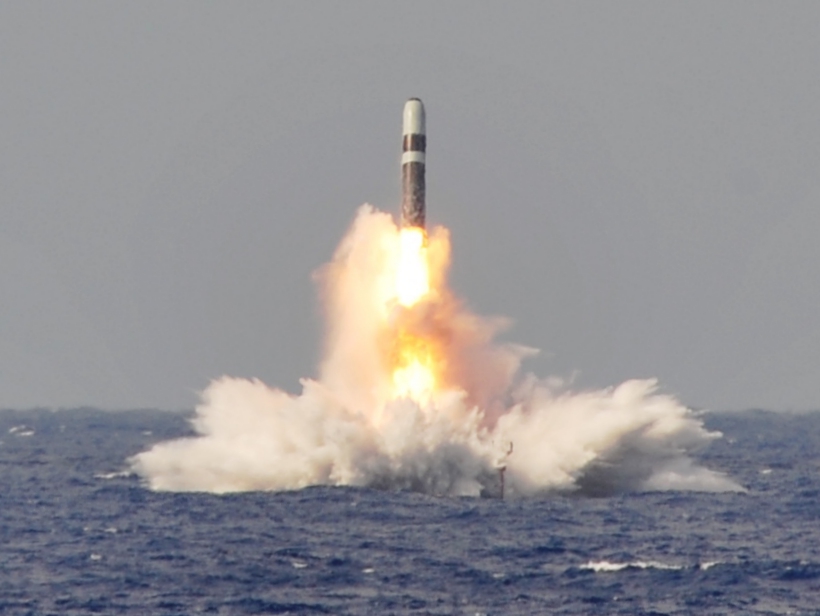
At its core, the geopolitics of nuclear weapons revolves around deterrence, the strategic concept of dissuading an adversary from attacking by threatening unacceptable retaliation. Nuclear-armed states maintain arsenals of varying sizes and delivery systems – including intercontinental ballistic missiles (ICBMs), submarine-launched ballistic missiles (SLBMs), and strategic bombers – to ensure a second-strike capability. This means that even if attacked first, a nation can still launch a devastating nuclear counter-offensive. Doctrines like 'first use' (the willingness to use nuclear weapons first in a conflict) and 'no first use' (a pledge not to initiate nuclear war) are critical components of this strategic calculus. The development of missile defense systems by nations like the United States also complicates this dynamic, potentially undermining the perceived invulnerability of an adversary's retaliatory force and thus impacting strategic stability.
📊 Key Facts & Numbers
As of 2024, an estimated 12,121 nuclear warheads exist globally, with Russia and the United States possessing over 90% of this total, approximately 5,889 and 5,244 warheads respectively. China is rapidly expanding its arsenal, with estimates suggesting it could possess around 1,000 warheads by 2030, a significant increase from its current estimated 500. The NPT, signed by 191 countries, aims to prevent the spread of nuclear weapons, promote disarmament, and facilitate the peaceful use of nuclear energy. However, only five of the nuclear-armed states are recognized as 'nuclear-weapon states' under the treaty, a distinction that fuels resentment among non-signatories and those outside the NPT framework. The Stockholm International Peace Research Institute (SIPRI) regularly publishes data on global nuclear arsenals, highlighting the immense destructive potential held by these few nations.
👥 Key People & Organizations
Key figures in the geopolitics of nuclear weapons span scientists, politicians, and military strategists. J. Robert Oppenheimer, often called the 'father of the atomic bomb' for his role as scientific director of the Manhattan Project, later became a vocal advocate for international control of nuclear energy. Andrei Sakharov, a Soviet physicist and dissident, was instrumental in the development of the Soviet hydrogen bomb before becoming a prominent peace activist and Nobel Peace Prize laureate. Political leaders like John F. Kennedy navigated the Cuban Missile Crisis, a moment when the world teetered on the brink of nuclear war, while Mikhail Gorbachev's policies of Glasnost and Perestroika, coupled with arms reduction treaties like the Intermediate-Range Nuclear Forces Treaty (INF Treaty) with Ronald Reagan, significantly altered the Cold War landscape. Organizations such as the International Atomic Energy Agency (IAEA) play a crucial role in monitoring nuclear programs and promoting non-proliferation.
🌍 Cultural Impact & Influence
The cultural impact of nuclear weapons is profound, permeating literature, film, and public consciousness. From the stark imagery of the Hiroshima and Nagasaki bombings to the anxieties depicted in films like 'Dr. Strangelove' and 'The Day After,' nuclear war has been a persistent theme, reflecting humanity's fascination with and fear of self-destruction. The concept of 'nuclear winter,' popularized by scientists like Carl Sagan, introduced the idea that even a limited nuclear exchange could have catastrophic global climatic consequences, further amplifying public anxiety. Activist movements, such as Campaign for Nuclear Disarmament (CND) in the UK and the broader anti-nuclear movement, have consistently challenged government policies and raised public awareness about the dangers of nuclear proliferation and testing, influencing public opinion and political discourse.
⚡ Current State & Latest Developments
The current geopolitical landscape is marked by renewed tensions and a potential arms race. The collapse of the INF Treaty and the expiration of the New START Treaty have raised concerns about the erosion of arms control frameworks. Russia's veiled threats to use nuclear weapons in the context of the war in Ukraine underscored the continued relevance of nuclear brinkmanship. Meanwhile, North Korea continues its ballistic missile and nuclear weapons development, defying international sanctions and posing a significant regional threat. The modernization of nuclear arsenals by established nuclear powers, including the development of hypersonic missiles and low-yield tactical nuclear weapons, further complicates the strategic environment, potentially lowering the threshold for nuclear use.
🤔 Controversies & Debates
The most significant controversy surrounding nuclear weapons is their very existence and the ethical implications of their potential use. Critics argue that any use of nuclear weapons, regardless of scale, constitutes a war crime due to their indiscriminate and catastrophic effects, violating principles of just war theory. The immense financial resources dedicated to maintaining and modernizing nuclear arsenals, estimated to be trillions of dollars over the next decade by organizations like the Arms Control Association, are also a point of contention, with many arguing these funds could be better allocated to development, healthcare, or climate change mitigation. Furthermore, the unequal status of the five recognized nuclear-weapon states under the NPT is a persistent source of debate, with non-nuclear states accusing the established powers of hypocrisy for failing to disarm while preventing others from acquiring weapons.
🔮 Future Outlook & Predictions
The future of nuclear geopolitics is uncertain, with competing trends towards both disarmament and rearmament. Some experts predict a resurgence of arms control negotiations, driven by a shared recognition of the catastrophic risks posed by nuclear conflict, potentially leading to new treaties that include emerging nuclear powers like China. Others foresee a more fragmented and dangerous world, characterized by multipolar nuclear competition, the erosion of existing arms control regimes, and an increased risk of accidental escalation or proliferation to non-state actors. The development of artificial intelligence and autonomous weapons systems also introduces a new layer of complexity, raising questions about human control over nuclear launch decisions. The ongoing modernization of nuclear arsenals by major powers suggests a continued reliance on nuclear deterrence for the foreseeable future, making disarmament a distant, though still aspirational, goal.
Key Facts
- Category
- geopolitics
- Type
- topic