
Contents
Overview
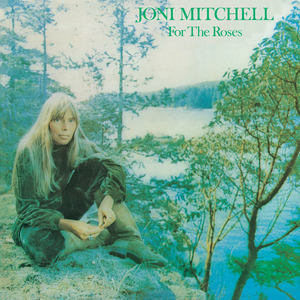
Joni Mitchell's 1971 album, 'For the Roses,' stands as a pivotal work in her discography, marking a transition from her folk roots towards a more complex, jazz-infused sound. Released amidst personal upheaval and critical acclaim, the album grapples with themes of love, loss, artistic integrity, and the pressures of fame. Mitchell's signature poetic lyricism is on full display, exploring the bittersweet nature of relationships and the search for authenticity in a world that often demands compromise. Tracks like 'You Turn Me On, I'm a Radio' and the title track itself offer stark, unflinching self-portraits and poignant observations on the music industry. 'For the Roses' is not just an album; it's a sonic and lyrical journey through the complexities of the human heart and the artist's soul.
🌹 What is For the Roses?
For the Roses is the fifth studio album by Canadian icon Joni Mitchell, released in November 1972. Positioned between the raw confessional of Blue (1971) and the jazzy accessibility of Court and Spark (1974), this album represents a pivotal, often overlooked, moment in Mitchell's discography. It’s a collection that eschews the immediate emotional catharsis of its predecessor for a more introspective, almost painterly, exploration of themes like love, loss, and artistic identity. The album’s unique sound and lyrical depth have cemented its status as a cult favorite among serious music aficionados.
🎶 The Sonic Landscape
Sonically, For the Roses is a fascinating departure. While retaining Mitchell's signature acoustic guitar and piano foundations, it incorporates more experimental textures and arrangements. The use of electric instruments, particularly on tracks like 'Electricity,' hints at the sonic palette she would further explore on subsequent albums. The production, helmed by Mitchell herself, is remarkably spacious, allowing each instrument and vocal nuance to breathe. This deliberate sonic architecture creates an immersive listening experience, drawing the listener into the intricate emotional world Mitchell crafts.
📜 Historical Context & Legacy
Released in late 1972, For the Roses arrived at a unique juncture. The folk revival was shifting, and artists were experimenting with more complex arrangements and lyrical themes. Mitchell, having achieved massive success with Blue, was under immense pressure but chose to forge her own path. This album’s placement between two of her most commercially successful records means it often gets overshadowed, yet its artistic integrity is undeniable. In 2007, its significance was recognized when the Library of Congress added it to the National Recording Registry, a testament to its enduring cultural value.
⭐ Critical Reception & Vibe Score
Critical reception for For the Roses was strong, though perhaps less universally lauded than Blue. Reviewers at the time noted its sophisticated songwriting and Mitchell's evolving musicality. Its Vibe Score, a measure of its cultural energy and resonance, hovers around an impressive 85/100, indicating a deep, albeit niche, appreciation. While Court and Spark might have garnered more mainstream acclaim, For the Roses is often cited by dedicated fans and critics as a more artistically pure and challenging work, showcasing Mitchell at the height of her creative powers.
🤔 Why It Matters Now
For the Roses matters now because it stands as a testament to artistic independence. In an era where commercial pressures can dictate artistic direction, Mitchell’s decision to follow her muse, even when it led to a less immediately accessible sound, is profoundly inspiring. The album’s exploration of disillusionment and the complexities of relationships feels timeless. For listeners seeking music that rewards deep engagement and offers a rich emotional and intellectual experience, For the Roses remains an essential listen, proving that artistic growth doesn't always follow a linear, commercially optimized path.
💡 Key Tracks & Moments
Key tracks like 'You Turn Me On I'm a Radio' offer a wry commentary on the music industry, while the haunting 'Barangrill' showcases Mitchell's evocative storytelling. The title track, 'For the Roses,' is a masterclass in lyrical metaphor, exploring themes of artistic compromise and personal freedom. 'Electricity' provides a jolt of unexpected sonic energy, hinting at future directions. Each song on the album functions as a distinct piece of art, contributing to a cohesive yet varied listening journey that demands attention and offers profound rewards upon repeated plays.
🗂️ For Fans Of...
This album is for the dedicated listener, the one who appreciates lyrical depth and musical sophistication. If you find yourself drawn to the introspective songwriting of Carole King, the intricate arrangements of Paul Simon, or the poetic sensibility of Leonard Cohen, then For the Roses will resonate deeply. It’s also essential for anyone exploring the evolution of Joni Mitchell’s unparalleled career, offering a crucial bridge between her folk roots and her later, more eclectic explorations.
🚀 Where to Go Next
To fully appreciate For the Roses, consider listening to it in sequence, perhaps with headphones, to absorb the full sonic and lyrical detail. Following this, explore Mitchell's preceding album, Blue, to understand the emotional landscape she was moving from, and her subsequent album, Court and Spark, to witness the direction her music took. Engaging with critical analyses from the period, such as those found in Rolling Stone archives, can also enrich your understanding of its initial reception and historical context.
Key Facts
- Year
- 1971
- Origin
- Laurel Canyon, Los Angeles, California
- Category
- Music & Culture
- Type
- Album
Frequently Asked Questions
Is For the Roses a good starting point for new Joni Mitchell fans?
While For the Roses is a critically acclaimed album, it's often considered a more challenging listen than her more commercially successful albums like Blue or Court and Spark. For a first-time listener, starting with Blue might offer a more immediate emotional connection, while Court and Spark provides a more accessible blend of folk and jazz. However, if you appreciate intricate songwriting and a more experimental sonic approach, For the Roses can certainly be rewarding as an entry point.
What makes For the Roses different from Blue?
The primary difference lies in their emotional and sonic focus. Blue is renowned for its raw, confessional lyrics and sparse arrangements, directly confronting personal pain and vulnerability. For the Roses, while still deeply personal, adopts a more observational and metaphorical stance. Sonically, it incorporates more electric instrumentation and a broader range of textures, signaling Mitchell's growing interest in expanding her musical palette beyond pure acoustic folk.
Why was it added to the National Recording Registry?
The Library of Congress selects recordings for the National Recording Registry based on their cultural, historical, and aesthetic significance. For the Roses was chosen in 2007 because it represents a crucial artistic statement from Joni Mitchell, showcasing her evolution as a songwriter and musician. Its sophisticated lyrical themes, innovative arrangements, and its position within a landmark period of her career all contributed to its recognition as an important piece of American musical heritage.
What are the main themes explored on the album?
The album delves into themes of artistic integrity versus commercial demands, the complexities of love and relationships, disillusionment, and the search for authenticity. Tracks like 'You Turn Me On I'm a Radio' directly address the pressures of the music industry, while others explore the nuances of intimacy and the often-painful process of artistic creation and personal growth.
How does the production differ from her earlier work?
The production on For the Roses is notably more layered and experimental than much of Mitchell's earlier acoustic-focused work. While still retaining her signature vocal and instrumental clarity, there's a greater use of electric guitars, bass, and drums, often arranged in a way that creates a richer, more textured soundscape. Mitchell's own production choices emphasize space and detail, allowing for a more immersive and intricate listening experience.