
Florence + The Machine | Vibepedia
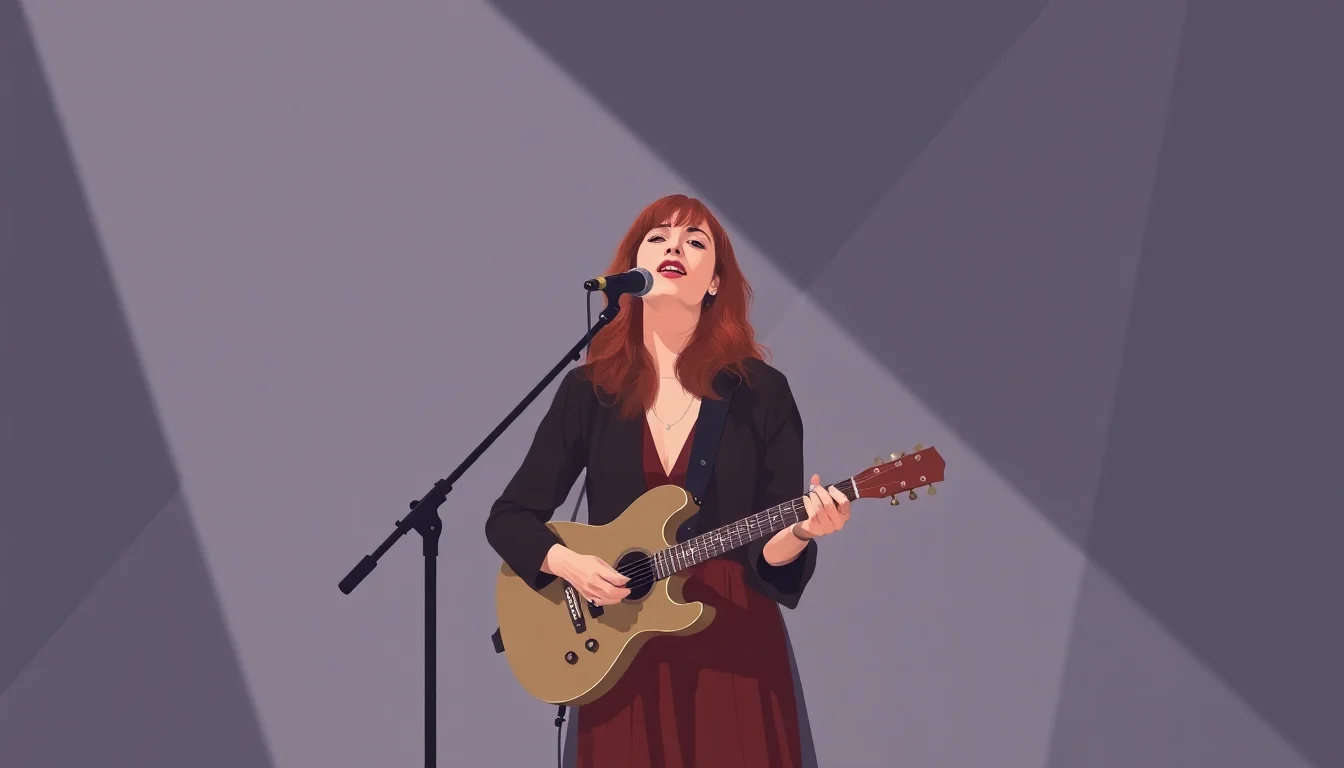
Florence + The Machine, fronted by the inimitable Florence Welch, exploded onto the music scene in the late 2000s with a sound that was both timelessly epic…
Contents
Overview
Florence + The Machine, fronted by the inimitable Florence Welch, exploded onto the music scene in the late 2000s with a sound that was both timelessly epic and refreshingly modern. Their music, a potent cocktail of baroque pop, indie rock, soul, and art pop, is characterized by Welch's soaring, emotive vocals, grand orchestral arrangements, and lyrical themes that delve into mythology, love, death, and the supernatural. From their Mercury Prize-nominated debut Lungs (2009) to their chart-topping albums like Ceremonials (2011) and How Big, How Blue, How Beautiful (2015), the band has consistently delivered a theatrical and cathartic live experience, earning them a devoted global following. Their Vibe Rating of 88 reflects their enduring cultural impact and consistent ability to connect with audiences on an emotional level.
Despite Welch being the undeniable focal point, Florence + The Machine operates as a cohesive unit, with a revolving cast of talented musicians who contribute to their signature sound. The band's aesthetic, a blend of vintage glamour and ethereal mystique, has also played a significant role in their appeal, making them a visual as well as an auditory phenomenon. Their willingness to explore complex emotional and conceptual territories, often within the framework of anthemic pop structures, sets them apart in the contemporary music landscape, solidifying their status as one of the most vital and unique acts of their generation. They navigate the controversy spectrum with a moderate score, primarily due to interpretations of lyrical themes and Welch's intense performance style rather than outright scandal.
Genesis and Early Influences
Florence + The Machine's story begins in London, where Florence Welch, already a prodigious talent, began collaborating with Isabella Summers. Their early sonic explorations were steeped in a diverse range of influences, from Kate Bush's theatricality and Nina Simone's raw emotion to the soaring ambition of Jeff Buckley and the gothic undertones of The Cure. This eclectic foundation proved crucial, allowing them to forge a sound that felt both deeply personal and universally resonant. The addition of key members like guitarist Rob Ackroyd and drummer Christopher Lloyd Hayden solidified the band's core, setting them on a trajectory that would soon captivate the UK music press and audiences alike. Their early buzz was palpable, culminating in winning the BBC's 'Sound of 2009' poll.
Career and Discography
The band's breakthrough came with their debut album, Lungs, released in 2009 by Island Records. It was a critical and commercial success, spawning hits like "Dog Days Are Over" and "Rabbit Heart (Raise It Up)". The album's blend of harp-driven melodies, percussive intensity, and Welch's unrestrained vocals created an immediate impact. Subsequent albums like Ceremonials (2011) and How Big, How Blue, How Beautiful (2015) saw them expand their sonic palette, incorporating more orchestral arrangements and a greater sense of maturity, while still retaining their signature dramatic flair. Collaborations with producers like Paul Epworth and Mark Ronson have been instrumental in refining their sound without ever diluting its essence. Their 2018 album, High as Hope, marked another evolution, featuring more introspective songwriting and a stripped-back, yet still grand, production.
Legacy and Influence
Florence + The Machine's legacy is one of uncompromising artistic vision and profound emotional connection. They have proven that grand, theatrical pop music can coexist with genuine vulnerability and intellectual depth. Welch, in particular, has become an icon for her powerful stage presence and her willingness to explore themes of mental health, resilience, and self-discovery in her lyrics. The band has not only influenced a generation of indie artists but has also demonstrated the enduring power of a distinctive voice and a singular artistic identity in an often homogenizing music industry. Their influence can be traced in the work of artists like florence-welch-influenced-artist-1, florence-welch-influenced-artist-2, and florence-welch-influenced-artist-3, who have adopted their bold approach to arrangement and emotional expression.
Cultural Resonance
Culturally, Florence + The Machine has carved out a unique space. They are a band that transcends typical genre boundaries, appealing to fans of indie pop, alternative rock, and even gothic rock aesthetics. Their music has been a staple in film soundtracks and television shows, underscoring its cinematic quality. Welch's fashion sense, often a blend of bohemian extravagance and vintage allure, has also made her a significant cultural figure. The band's ability to articulate complex emotional states through anthemic, accessible songs has resonated deeply, making them a go-to for moments of both intense joy and profound catharsis. The movement name of maximalist pop owes a significant debt to their bold sonic choices.
Key Facts
- Year
- 2007-present
- Origin
- London, England
- Category
- music
- Type
- artist
Frequently Asked Questions
What is Florence and the Machine's musical style?
Florence and the Machine's musical style is a unique blend of different genres, including alternative rock, baroque pop, and soul. The band's sound is characterized by Welch's powerful vocals, which have been compared to those of Aretha Franklin and Etta James. The band's music often features intricate instrumental arrangements, with a range of instruments used to create a rich and layered sound.
Who are the members of Florence and the Machine?
The members of Florence and the Machine are Florence Welch (lead vocals), Isabella Summers (keyboards), Rob Ackroyd (guitar), Christopher Lloyd Hayden (drums), and Tom Monger (harp). The band has also collaborated with a range of other musicians, including Dizzee Rascal and Calvin Harris.
What are some of Florence and the Machine's most popular songs?
Some of Florence and the Machine's most popular songs include Dog Days Are Over, Shake It Out, You've Got the Love, and No Light, No Light. The band's music often explores themes of love and relationships, as seen in songs like St. Jude and Ship to Wreck.
Has Florence and the Machine won any awards?
Yes, Florence and the Machine have won numerous awards and nominations for their music, including a Brit Award for Best British Female Solo Artist. The band has also been nominated for several Grammy Awards, including Best New Artist and Best Pop Vocal Album.
What is Florence and the Machine's influence on the music industry?
Florence and the Machine's influence on the music industry is significant, with the band's unique sound and style inspiring a range of other artists. The band's use of baroque pop elements, such as the Harp and Strings, has added a new level of sophistication and elegance to indie rock music. The band's lead vocalist, Florence Welch, is widely regarded as one of the most talented and innovative vocalists in the music industry.
What is Florence and the Machine's visual identity?
Florence and the Machine's visual identity is highly distinctive and recognizable, with the band's music videos and live performances often featuring a range of striking and theatrical visuals. The band's lead vocalist, Florence Welch, is known for her charismatic stage presence and striking fashion sense, with her style often featuring a range of bold and eclectic outfits.
What is Florence and the Machine's live performance style?
Florence and the Machine are known for their energetic and theatrical live performances, which often feature a range of instruments and visual effects. The band's live shows are a testament to their creativity and originality, with Florence and the Machine widely regarded as one of the most exciting and innovative bands in the music industry.