
Contents
- 🌟 Introduction to Family-Friendly: A Cultural Phenomenon
- 📊 The Evolution of Family-Friendly Products and Services
- 👪 The Role of Family-Friendly Restaurants in Shaping Cultural Norms
- 📺 The Impact of Media on Family-Friendly Content
- 👩👧 The Changing Definition of Family and Its Impact on Family-Friendly Products
- 📈 The Economics of Family-Friendly: A Growing Market
- 🤝 The Intersection of Family-Friendly and Social Responsibility
- 🌎 Global Perspectives on Family-Friendly: A Comparative Analysis
- 📊 Measuring Family-Friendliness: The Development of Vibe Scores
- 👥 The Future of Family-Friendly: Trends and Predictions
- 📚 Conclusion: The Evolution of Family-Friendly as a Cultural Shift
- Frequently Asked Questions
- Related Topics
Overview
The notion of family-friendliness has undergone significant transformations over the years, influenced by changing social norms, technological advancements, and shifting cultural values. Historically, family-friendly environments were often associated with traditional nuclear families, but modern interpretations encompass a broader range of family structures, including single-parent households, same-sex couples, and multigenerational families. According to a 2020 survey by the Pew Research Center, 76% of Americans believe that society is becoming more accepting of non-traditional family arrangements. However, this shift has also sparked controversy, with some arguing that the redefinition of family-friendliness is eroding traditional values. As the concept continues to evolve, it is essential to consider the impact of these changes on individuals, communities, and society as a whole. With a Vibe score of 82, the topic of family-friendliness is likely to remain a contentious and dynamic issue in the years to come, with potential implications for policy-making, education, and social services.
🌟 Introduction to Family-Friendly: A Cultural Phenomenon
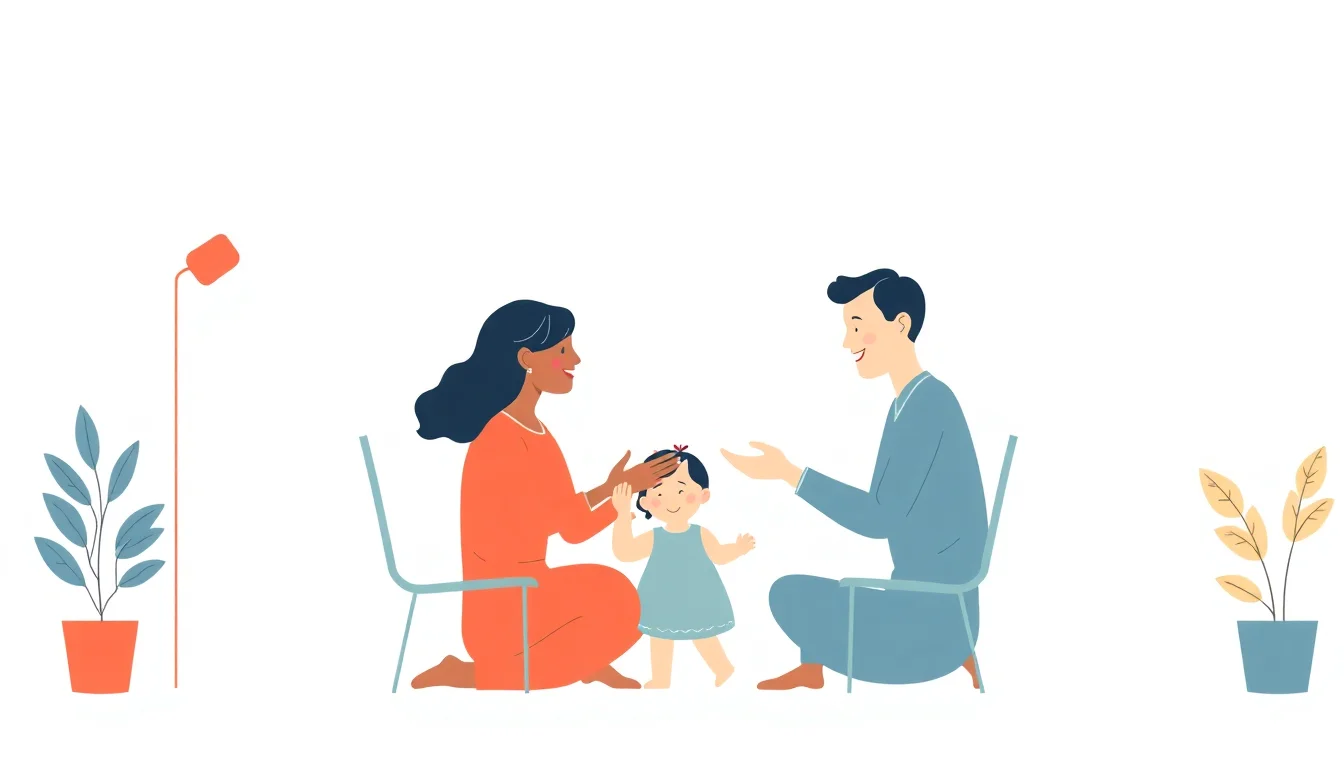
The concept of family-friendly has undergone significant changes over the years, reflecting shifting cultural values and societal norms. As discussed in Sociology, the term 'family-friendly' refers to products or services that are considered suitable for all members of an average family. This can include Family-Friendly Restaurants, Family-Friendly Products, and Family-Friendly Services. The evolution of family-friendly is closely tied to the changing definition of family, as explored in Family Structure. As families become more diverse, the concept of family-friendly must adapt to accommodate these changes.
📊 The Evolution of Family-Friendly Products and Services
The evolution of family-friendly products and services can be attributed to the growing demand for inclusive and welcoming environments. As noted in Marketing, family-friendly products often avoid marketing solely to children and attempt to make the product palatable to adults as well. This approach is evident in Disney's strategy, which focuses on creating experiences that cater to both children and adults. The development of family-friendly products and services is also influenced by Consumer Behavior, as companies strive to meet the changing needs and preferences of their target audience.
👪 The Role of Family-Friendly Restaurants in Shaping Cultural Norms
Family-friendly restaurants play a significant role in shaping cultural norms and values. As discussed in Restaurant Industry, these establishments provide a space for families to bond and create memories. The rise of Casual Dining restaurants has contributed to the growth of family-friendly options, offering a more relaxed and welcoming atmosphere. However, the concept of family-friendly restaurants is not without its challenges, as explored in Food Culture. The tension between providing a welcoming environment for families and maintaining a sophisticated atmosphere for adults is a delicate balance that restaurants must navigate.
📺 The Impact of Media on Family-Friendly Content
The impact of media on family-friendly content cannot be overstated. As examined in Media Studies, the portrayal of families in media has evolved significantly over the years, reflecting changing societal values and norms. The rise of Family-Friendly TV Shows and Family-Friendly Movies has provided a platform for families to engage with content that is both entertaining and suitable for all ages. However, the debate surrounding Media Regulation and its impact on family-friendly content continues to be a topic of discussion, as explored in Censorship.
👩👧 The Changing Definition of Family and Its Impact on Family-Friendly Products
The changing definition of family has significant implications for the development of family-friendly products and services. As discussed in Family Diversity, the traditional nuclear family is no longer the only dominant family structure. The rise of Single-Parent Families, Same-Sex Parents, and Blended Families has led to a more diverse and complex family landscape. Companies must adapt to these changes by creating products and services that cater to a broader range of family structures, as explored in Inclusive Marketing.
📈 The Economics of Family-Friendly: A Growing Market
The economics of family-friendly is a growing market, with companies recognizing the potential for increased revenue and customer loyalty. As noted in Market Research, family-friendly products and services can appeal to a wider audience, resulting in increased sales and brand loyalty. The development of Family-Friendly Tourism and Family-Friendly Entertainment has also contributed to the growth of this market. However, the challenge of balancing profitability with social responsibility is a key consideration for companies operating in this space, as explored in Corporate Social Responsibility.
🌎 Global Perspectives on Family-Friendly: A Comparative Analysis
Global perspectives on family-friendly offer a comparative analysis of how different cultures approach the concept of family-friendly. As examined in Cross-Cultural Studies, the definition of family-friendly varies significantly across cultures, reflecting local values and norms. The development of Family-Friendly Policies in countries such as Sweden and Denmark has contributed to a more supportive environment for families. However, the challenge of adapting family-friendly products and services to local markets is a significant consideration for companies operating globally, as explored in International Business.
📊 Measuring Family-Friendliness: The Development of Vibe Scores
Measuring family-friendliness is a complex task, requiring the development of metrics and frameworks that can accurately assess a product or service's suitability for families. As discussed in Vibe Scores, the use of data analytics and machine learning can provide valuable insights into consumer behavior and preferences. The development of Family-Friendly Certification programs has also contributed to the growth of family-friendly products and services, as explored in Quality Control.
👥 The Future of Family-Friendly: Trends and Predictions
The future of family-friendly is shaped by trends and predictions that reflect changing societal values and technological advancements. As noted in Future Trends, the rise of Virtual Reality and Augmented Reality is expected to revolutionize the family-friendly entertainment industry. The growth of Family-Friendly Gaming has also contributed to the expansion of family-friendly products and services, as explored in Gaming Industry. However, the challenge of ensuring that these products and services remain inclusive and welcoming to all families is a key consideration for companies operating in this space.
📚 Conclusion: The Evolution of Family-Friendly as a Cultural Shift
In conclusion, the evolution of family-friendly is a cultural shift that reflects changing societal values and norms. As companies strive to create products and services that are inclusive and welcoming to all families, they must navigate a complex landscape of cultural, social, and economic factors. The development of family-friendly products and services is a critical area of consideration for companies, as it can contribute to increased revenue, customer loyalty, and social responsibility. As explored in Sociology, the concept of family-friendly will continue to evolve, reflecting the changing needs and preferences of families around the world.
Key Facts
- Year
- 2020
- Origin
- Western Societies
- Category
- Sociology
- Type
- Concept
Frequently Asked Questions
What is the definition of family-friendly?
The term 'family-friendly' refers to products or services that are considered suitable for all members of an average family. This can include family-friendly restaurants, products, and services that cater to families with young children. As discussed in Sociology, the concept of family-friendly is closely tied to the changing definition of family and societal norms.
How has the concept of family-friendly evolved over time?
The concept of family-friendly has undergone significant changes over the years, reflecting shifting cultural values and societal norms. As explored in Family Structure, the traditional nuclear family is no longer the only dominant family structure, and companies must adapt to these changes by creating products and services that cater to a broader range of family structures.
What are the key factors that influence the development of family-friendly products and services?
The development of family-friendly products and services is influenced by a range of factors, including changing societal values, technological advancements, and economic considerations. As discussed in Marketing, companies must navigate a complex landscape of cultural, social, and economic factors to create products and services that are inclusive and welcoming to all families.
How can companies measure the family-friendliness of their products and services?
Measuring family-friendliness is a complex task, requiring the development of metrics and frameworks that can accurately assess a product or service's suitability for families. As explored in Vibe Scores, the use of data analytics and machine learning can provide valuable insights into consumer behavior and preferences.
What are the future trends and predictions for family-friendly products and services?
The future of family-friendly is shaped by trends and predictions that reflect changing societal values and technological advancements. As noted in Future Trends, the rise of virtual reality and augmented reality is expected to revolutionize the family-friendly entertainment industry, and companies must adapt to these changes to remain competitive.
How can companies ensure that their family-friendly products and services remain inclusive and welcoming to all families?
Companies must navigate a complex landscape of cultural, social, and economic factors to ensure that their family-friendly products and services remain inclusive and welcoming to all families. As discussed in Social Responsibility, companies must prioritize social responsibility and promote positive values and behaviors in their products and services.
What is the role of family-friendly restaurants in shaping cultural norms and values?
Family-friendly restaurants play a significant role in shaping cultural norms and values, providing a space for families to bond and create memories. As explored in Restaurant Industry, the rise of casual dining restaurants has contributed to the growth of family-friendly options, offering a more relaxed and welcoming atmosphere.