
Contents
Overview
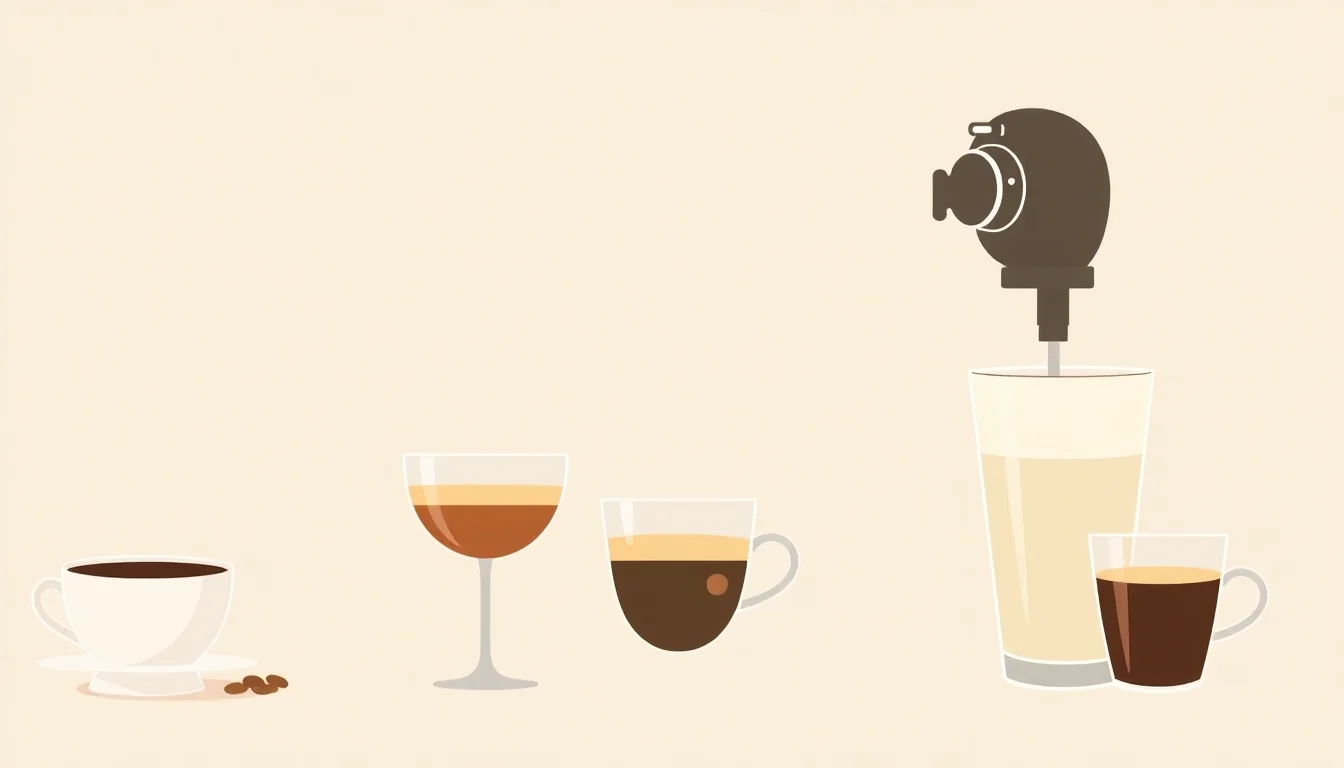
Espresso drinks are a global phenomenon, born from the Italian pursuit of speed and intensity in coffee preparation. At their heart, they are a concentrated shot of coffee brewed by forcing hot water under high pressure through finely ground beans, yielding a rich, viscous liquid topped with a signature reddish-brown foam known as 'crema'. This potent base, typically 25-30 ml, is not just a drink but a foundation for a vast universe of beverages, from the simple macchiato to the elaborate flavored lattes. The engineering behind the espresso machine, a complex interplay of pressure, temperature, and grind size, is as crucial as the quality of the beans themselves. Globally, espresso culture has spawned distinct regional preferences and innovative new concoctions, making it a dynamic and ever-evolving aspect of daily life for millions, with a market value estimated in the tens of billions of dollars annually.
🎵 Origins & History
The genesis of espresso is inextricably linked to the late 19th and early 20th century industrialization in Italy, a period marked by a desire for efficiency and speed. The term 'espresso' itself, meaning 'expressed' or 'forced out,' perfectly captures the brewing method.
⚙️ How It Works
At its core, espresso is a feat of fluid dynamics and thermodynamics. An espresso machine forces water heated to approximately 90-96°C (195-205°F) through a tightly packed puck of finely ground coffee beans at a pressure of 9 bars or more. This high pressure is critical for extracting the soluble solids, oils, and aromatic compounds from the coffee grounds in a short period, typically 25-30 seconds. The grind size must be precise; too coarse and the water passes through too quickly, resulting in an under-extracted, weak shot; too fine and the water struggles to penetrate, leading to an over-extracted, bitter brew. The resulting beverage, a 25-30 ml shot, is characterized by its intense flavor, syrupy body, and the aforementioned crema, a stable emulsion of coffee oils and CO2 gas that contributes significantly to aroma and mouthfeel. The quality of the espresso is a delicate balance of water temperature, pressure, grind fineness, dose (amount of coffee grounds), and extraction time, a science meticulously studied by baristas and coffee professionals worldwide.
📊 Key Facts & Numbers
The global espresso market is a colossal enterprise. The global coffee market is projected to reach over $130 billion USD by 2027, with espresso's influence permeating nearly every sub-segment.
👥 Key People & Organizations
The evolution of espresso is a story of innovation driven by passionate individuals and forward-thinking companies. The Specialty Coffee Association (SCA), a non-profit organization, plays a crucial role in setting standards for espresso quality and barista training, influencing global best practices. Influential baristas and coffee educators, such as James Hoffmann, have further popularized and demystified espresso preparation through online content and books.
🌍 Cultural Impact & Influence
Espresso drinks have transcended their Italian origins to become a global cultural touchstone, deeply embedded in daily routines and social rituals. In Italy, the espresso bar is a fundamental social hub, a place for quick conversations and a brief pause in the day. Beyond Italy, espresso has fueled the rise of specialty coffee culture, with cafes becoming community centers and destinations for discerning coffee enthusiasts. The visual appeal of latte art, a practice popularized by baristas like David Schomer in the 1980s, has turned espresso drinks into Instagrammable experiences, driving their popularity on social media platforms like Instagram. The ubiquity of espresso machines in homes and offices, from high-end domestic models to pod-based systems, signifies its integration into modern lifestyles. Furthermore, espresso's potent caffeine kick has made it a go-to for productivity and late-night study sessions, cementing its role in both work and leisure.
⚡ Current State & Latest Developments
The current landscape of espresso drinks is characterized by a dual trend: a continued appreciation for traditional, high-quality espresso and a relentless drive for innovation. Specialty coffee shops continue to push boundaries, experimenting with unique single-origin beans, advanced brewing techniques, and novel flavor combinations. The rise of cold brew and nitro cold brew has also influenced the espresso world, with cafes offering 'espresso tonics' and 'shakeratos' as refreshing alternatives. Automation is also making inroads, with advanced robotic baristas and AI-powered machines promising consistency and efficiency, though debates persist about their impact on the craft. The home espresso market is booming, with more consumers investing in sophisticated equipment, driven by a desire for cafe-quality drinks at home and a growing interest in the brewing process itself, fueled by online tutorials and communities on platforms like Reddit.
🤔 Controversies & Debates
The debate surrounding espresso is multifaceted, touching on authenticity, sustainability, and the very definition of quality. One persistent controversy revolves around the 'correct' way to prepare and serve espresso; purists often decry flavored syrups and excessive milk additions, viewing them as a dilution of the coffee's inherent character, while proponents argue for the inclusivity and enjoyment these variations bring. The sustainability of coffee farming, particularly the environmental impact of water usage in espresso production and the ethical treatment of coffee farmers, remains a critical concern, with many specialty roasters actively working towards more transparent and equitable supply chains. Furthermore, the role of automation versus human craftsmanship in espresso preparation sparks ongoing discussion, with some fearing the loss of artisanal skill and others embracing the potential for wider accessibility and consistency.
🔮 Future Outlook & Predictions
The future of espresso drinks appears to be a dynamic fusion of tradition and technology. We can anticipate further advancements in machine efficiency and precision, potentially leading to even more consistent and customizable espresso extraction. The exploration of novel coffee varietals and processing methods will undoubtedly yield new flavor profiles, pushing the boundaries of what espresso can taste like. Expect to see a continued emphasis on sustainability, with greater transparency in sourcing and a focus on reducing the environmental footprint of coffee production and consumption. The integration of AI and data analytics in brewing could lead to hyper-personalized coffee experiences, tailoring shots to individual preferences. Moreover, the global reach of espresso culture will likely expand, with new regional interpretations and hybrid drink creations emerging as coffee's influence continues to spread across diverse cultures.
💡 Practical Applications
Espresso drinks are not merely beverages; they are the foundation for a vast array of culinary and commercial applications. The most obvious application is in the creation of popular coffee shop beverages like cappuccinos, caffè lattes, macchiatos, and Americanos. Beyond the cafe, espresso finds its way into desserts, such as tiramisu, espresso-infused ice creams, and cakes. It's also used in cockt
Key Facts
- Category
- culture
- Type
- topic
