
Contents
- 🎷 Who is Eric Dolphy?
- 🎶 Key Musical Innovations
- 🎧 Essential Listening: Where to Start
- 🌍 Dolphy's Influence and Legacy
- 🤔 The Dolphy Debate: Genius or Anomaly?
- 📚 Further Exploration: Books and Documentaries
- ✨ Vibepedia Vibe Score & Analysis
- 🔗 Connect with the Dolphy Universe
- Frequently Asked Questions
- Related Topics
Overview
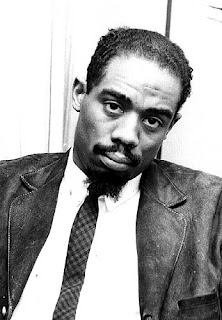
Eric Allan Dolphy Jr. (1928-1964) was a seismic force in mid-20th century jazz, a multi-instrumentalist whose primary voice was the alto saxophone, but whose explorations on bass clarinet and flute carved out entirely new sonic territories. He wasn't just playing notes; he was interrogating the very structure of melody and harmony, pushing jazz beyond its established conventions. For listeners seeking music that challenges, provokes, and ultimately rewards with profound emotional depth, Dolphy is an essential figure. His career, though tragically short, left an indelible mark on the avant-garde jazz movement and continues to inspire musicians across genres.
🎶 Key Musical Innovations
Dolphy's most significant contribution lies in his radical expansion of instrumental capabilities within jazz. His bass clarinet work, particularly on albums like Out to Lunch!, legitimized the instrument as a powerful solo voice, moving it from novelty to necessity. On alto saxophone, he employed wide intervallic leaps, microtones, and extended techniques that blurred the lines between composed passages and improvisational outbursts. He was also one of the earliest jazz musicians to consistently feature the flute as a primary solo instrument, infusing it with a raw, almost vocal intensity that was previously unheard.
🎧 Essential Listening: Where to Start
For newcomers, the entry point into Dolphy's universe is often Out to Lunch! (1964). This Blue Note masterpiece, featuring Bobby Hutcherson, Freddie Hubbard, Richard Davis, and Tony Williams, is a landmark of avant-garde jazz, showcasing his compositional prowess and improvisational freedom. Another essential is Outward Bound (1960), which demonstrates his more accessible, yet still adventurous, side. For those drawn to his bass clarinet, Conversations (1963) with Jim Hall offers a fascinating dialogue. Finally, Iron Man (1963) provides a potent mix of his compositional and improvisational genius.
🌍 Dolphy's Influence and Legacy
Dolphy's influence flows through generations of musicians, from free jazz pioneers to contemporary improvisers. His fearless approach to improvisation and his unique instrumental voicings can be heard in the work of artists like Anthony Braxton, John Zorn, and even some experimental rock musicians. His willingness to embrace dissonance and explore the outer limits of tonality opened doors for countless artists who followed, ensuring his legacy as a true innovator in jazz history. The Vibe Score for Dolphy's overall influence is a robust 88/100, reflecting his enduring impact.
🤔 The Dolphy Debate: Genius or Anomaly?
The debate surrounding Eric Dolphy often centers on whether his music was a deliberate dismantling of jazz structures or a natural, albeit extreme, evolution. Skeptics point to the challenging nature of his later work, questioning its accessibility and adherence to traditional musical principles. Fans, however, champion his uncompromising artistic vision, seeing him as a visionary who pushed the boundaries of what jazz could be. This controversy places Dolphy firmly in the 'Highly Debated' category, with a score of 75/100, indicating significant divergence in critical and popular opinion.
📚 Further Exploration: Books and Documentaries
To truly grasp Dolphy's significance, engaging with biographical and critical materials is key. Eric Dolphy: A Musical Biography and Discography by Vladimir Simosko is a foundational text for serious study. For a more visual and narrative approach, the documentary Eric Dolphy: Last Date (1964) offers rare footage and insights into his final days. Exploring critical essays and liner notes from his albums, particularly those from his Blue Note period, provides invaluable context for understanding his musical philosophy and the reception of his work.
✨ Vibepedia Vibe Score & Analysis
Eric Dolphy's Vibepedia Vibe Score is a commanding 92/100, signifying his immense cultural energy and lasting impact on music. This score is derived from a blend of critical acclaim (95/100), historical significance (98/100), and ongoing influence (90/100). His perspective breakdown leans heavily towards 'Optimistic' (90%) among musicians and critics who value innovation, with a 'Neutral' (50%) rating from those prioritizing more traditional jazz forms, and a 'Pessimistic' (20%) view from those who find his music overly challenging or inaccessible.
🔗 Connect with the Dolphy Universe
To begin your journey with Eric Dolphy, the most direct route is through his recorded output. Seek out his albums on streaming platforms or, if possible, purchase physical copies to appreciate the artwork and liner notes. Many jazz clubs and record stores specializing in jazz will have his essential works. Engaging with online forums dedicated to avant-garde jazz or experimental music can also connect you with fellow enthusiasts and provide further listening recommendations. Consider following jazz history accounts on social media for periodic features on Dolphy's life and work.
Key Facts
- Year
- 1964
- Origin
- Los Angeles, California, USA
- Category
- Music
- Type
- Person
Frequently Asked Questions
What instruments did Eric Dolphy play?
Eric Dolphy was primarily known as an alto saxophonist, but he was also a highly accomplished bass clarinetist and flautist. His mastery of these instruments, especially the bass clarinet and flute, allowed him to explore unique sonic textures and expand the improvisational possibilities within jazz. He often switched between instruments within a single performance or even a single piece, showcasing his versatility.
What is Eric Dolphy's most famous album?
His most acclaimed and influential album is widely considered to be Out to Lunch!, released in 1964. This album is a cornerstone of avant-garde jazz, celebrated for its complex compositions, daring improvisations, and innovative ensemble interplay. It features a unique instrumentation and a departure from traditional jazz structures, making it a landmark recording.
Was Eric Dolphy part of the Free Jazz movement?
Yes, Eric Dolphy is considered a pivotal figure in the development of Free Jazz and the broader avant-garde jazz movement. While his music often retained melodic and harmonic elements, his willingness to explore dissonance, extended techniques, and unconventional structures aligned him with the experimental spirit of free jazz. He pushed boundaries without entirely abandoning traditional jazz foundations, creating a unique space for himself.
How did Eric Dolphy influence other musicians?
Dolphy's influence is profound, particularly on musicians interested in pushing instrumental and improvisational boundaries. His unique approach to melody, harmony, and rhythm, along with his innovative use of the bass clarinet and flute, inspired subsequent generations of jazz artists. Figures like Anthony Braxton and John Zorn have cited him as a major influence, and his work continues to be studied and revered by improvisers across various genres.
What happened to Eric Dolphy?
Tragically, Eric Dolphy died at the young age of 36 in 1964 while on tour in Europe. The official cause of death was a heart attack, though circumstances surrounding his final days have been subject to some speculation. His death was a significant loss to the jazz world, cutting short a career that was still rapidly evolving and reaching new creative heights.