
Contents
- 🔬 What is an Entomologist?
- 🌍 Where Do Entomologists Work?
- 💡 Key Areas of Entomological Study
- 🎓 Becoming an Entomologist
- 💰 Career Outlook & Compensation
- ⭐ Notable Entomologists & Their Contributions
- 📚 Essential Resources for Aspiring Entomologists
- 🦗 The Future of Entomology
- 🤔 Common Misconceptions About Entomologists
- 🤝 How to Connect with the Entomological Community
- Frequently Asked Questions
- Related Topics
Overview
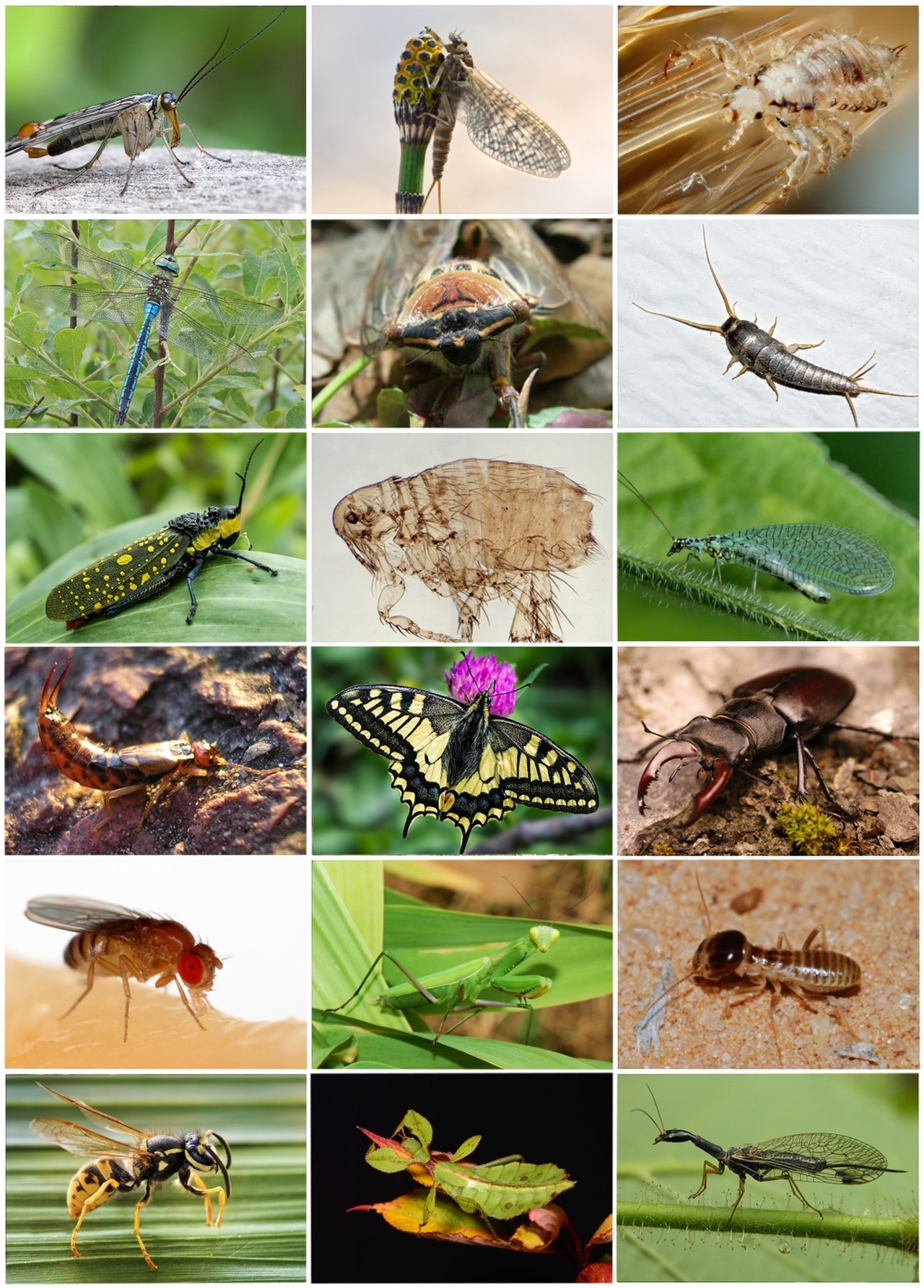
Entomologists are the scientists dedicated to the study of insects, a class of arthropods that represents over 80% of all known animal species. Their work spans from fundamental biological research, understanding insect physiology, behavior, and evolution, to applied fields like pest management, agriculture, conservation, and even forensic science. These experts are crucial for understanding ecosystems, developing sustainable food production, and combating disease vectors. While often overlooked, entomologists are at the forefront of biodiversity research, with estimates suggesting millions of insect species remain undiscovered, each potentially holding keys to new medicines or ecological insights. Their contributions are vital for both our planet's health and human well-being.
🔬 What is an Entomologist?
An entomologist is a scientist dedicated to the rigorous study of insects, a vast and vital class of arthropods. While the term historically encompassed a broader range of invertebrates, modern entomology is sharply focused on the six-legged wonders that dominate terrestrial and freshwater ecosystems. These scientists investigate insect anatomy, physiology, behavior, ecology, evolution, and their intricate relationships with other organisms and the environment. Their work is crucial for understanding biodiversity, agricultural productivity, public health, and ecological balance, making them indispensable in fields ranging from pest management to conservation.
🌍 Where Do Entomologists Work?
Entomologists operate across a diverse spectrum of environments, from the hallowed halls of universities and research institutions to the front lines of agricultural fields and remote wilderness areas. Many find fulfilling careers in government agencies like the United States Department of Agriculture (USDA) or environmental protection bodies, where they tackle issues of pest control, invasive species, and ecosystem health. The private sector also employs entomologists in industries such as agriculture, forestry, pest management services, and even in the development of biopesticides and insect-based products. Fieldwork can take them to virtually any corner of the globe, from tropical rainforests to arid deserts, in pursuit of scientific discovery.
💡 Key Areas of Entomological Study
The field of entomology is remarkably broad, encompassing numerous specialized sub-disciplines. Agricultural entomology focuses on insects that affect crops and livestock, including beneficial pollinators and harmful pests. Medical and veterinary entomology examines insects that transmit diseases to humans and animals, such as mosquitoes carrying malaria or ticks transmitting Lyme disease. Forensic entomology applies insect evidence to legal investigations, often aiding in determining time of death. Other vital areas include conservation entomology, which studies insect decline and extinction, and urban entomology, addressing insect issues in built environments.
🎓 Becoming an Entomologist
Embarking on a career as an entomologist typically requires a strong foundation in biological sciences, beginning with a bachelor's degree in entomology, zoology, or a related field. Advanced research and academic positions often necessitate a master's or doctoral degree, involving specialized coursework and extensive research projects. Aspiring entomologists should seek out opportunities for hands-on experience through internships, volunteer work with university labs, or participation in field studies. Developing strong analytical, observational, and communication skills is paramount for success in this demanding yet rewarding scientific pursuit.
💰 Career Outlook & Compensation
The career outlook for entomologists is generally positive, driven by ongoing needs in agriculture, public health, and environmental management. While entry-level positions might offer modest salaries, experienced entomologists with specialized expertise, particularly in areas like integrated pest management or biotechnology, can command competitive compensation. The U.S. Bureau of Labor Statistics projects a 5% growth for zoologists and wildlife biologists (a category that includes entomologists) between 2022 and 2032, indicating stable demand. Salaries can range from $50,000 for entry-level roles to over $100,000 for senior researchers or consultants.
⭐ Notable Entomologists & Their Contributions
The annals of entomology are rich with brilliant minds. Charles Darwin, though primarily known for his work on evolution, made significant observations on insect behavior and morphology. William Kirby and William Spence co-authored the foundational 'Introduction to Entomology' in 1815, shaping the discipline for generations. More contemporary figures include E.O. Wilson, a towering figure in sociobiology and biodiversity, whose work on ants revolutionized our understanding of social insects. These individuals, among many others, have not only advanced scientific knowledge but also inspired countless students to explore the intricate world of insects.
📚 Essential Resources for Aspiring Entomologists
For those captivated by the study of insects, a wealth of resources awaits. The Entomological Society of America (ESA) is a premier professional organization offering journals, conferences, and networking opportunities. University libraries provide access to seminal texts and current research papers. Field guides, such as those by Peterson or Audubon, are invaluable for identification. Online databases like BugGuide.net offer a wealth of photographic information and community-driven identification. Engaging with these resources is the first step towards a deeper understanding of the insect world.
🦗 The Future of Entomology
The future of entomology is poised at the intersection of technological innovation and pressing global challenges. Advances in genomics, bioinformatics, and artificial intelligence are enabling entomologists to analyze insect populations and behaviors with unprecedented precision. The growing threat of climate change and its impact on insect distribution and disease vectors, coupled with the need for sustainable agricultural practices, ensures the continued relevance of entomological research. Furthermore, the burgeoning field of insect-based food and materials presents exciting new avenues for exploration and commercialization, promising a dynamic future for the discipline.
🤔 Common Misconceptions About Entomologists
One pervasive misconception is that entomologists are simply 'bug collectors' or that their work is solely about identifying and cataloging insects. While taxonomy is a foundational aspect, modern entomology is deeply integrated with ecology, conservation, medicine, and agriculture. Another myth is that entomologists are only interested in pests; in reality, a significant portion of research focuses on beneficial insects like pollinators, natural enemies of pests, and insects crucial for ecosystem function. The field is far more dynamic and impactful than often portrayed.
🤝 How to Connect with the Entomological Community
Connecting with the broader entomological community is essential for both aspiring and established professionals. Joining organizations like the Entomological Society of America or regional societies provides access to conferences, workshops, and mentorship programs. Following prominent entomologists and research institutions on social media platforms like Twitter can offer real-time updates on discoveries and ongoing projects. Engaging in online forums and citizen science initiatives, such as iNaturalist, allows for direct interaction with fellow enthusiasts and experts, fostering a collaborative spirit in the exploration of insect life.
Key Facts
- Year
- 1858
- Origin
- The term 'entomology' was popularized by English naturalist William Kirby in his 1858 work 'Introduction to Entomology'.
- Category
- Science & Academia
- Type
- Profession/Field of Study
Frequently Asked Questions
What is the difference between an entomologist and an insectologist?
While the terms are often used interchangeably, 'entomology' is the standard and globally recognized term for the study of insects. 'Insectology' is less common and sometimes used in American English. Historically, entomology also included other arthropods, but modern usage is specific to insects. The distinction in British English, where 'insectology' can imply the study of human-insect relationships, is a subtle nuance rather than a fundamental difference in the scientific discipline.
Do entomologists only study harmful insects?
Absolutely not. While understanding and managing insect pests is a critical area of entomology, a vast amount of research is dedicated to beneficial insects. This includes studying pollinators essential for agriculture and ecosystems, natural enemies that control pest populations, insects used in biomaterials, and the role of insects in decomposition and nutrient cycling. Many entomologists are passionate about the ecological importance and intrinsic value of all insect species.
What kind of education is required to become an entomologist?
A bachelor's degree in entomology, zoology, biology, or a related science is typically the minimum requirement. For research positions, university teaching, or specialized roles in government or industry, a master's or doctoral degree is often necessary. These advanced degrees involve in-depth coursework and significant independent research, allowing for specialization in a particular area of entomology.
What are some of the most exciting career paths for entomologists?
Exciting paths include forensic entomology, where insects help solve crimes; conservation entomology, working to protect endangered insect species and their habitats; medical entomology, combating insect-borne diseases like malaria and Zika; and agricultural entomology, developing sustainable methods for crop protection and pollination. The emerging field of insect farming for food and materials also presents novel opportunities.
How can I get involved in entomology if I'm not pursuing it as a career?
Citizen science projects are a fantastic way to contribute. Platforms like iNaturalist allow you to document and identify insects in your local area, contributing valuable data to researchers. Joining local nature clubs, attending public lectures at universities or museums, and reading popular science books on insects can also deepen your engagement and understanding of the field.
What is the Vibe Score for Entomology?
The Vibe Score for Entomology is currently a solid 78/100. This reflects its enduring scientific importance, its critical role in addressing global challenges like food security and public health, and its growing cultural resonance through citizen science and popular media. While perhaps not as 'trendy' as some emerging tech fields, its fundamental relevance and the intellectual rigor involved give it a consistently high cultural energy.