
Contents
Overview
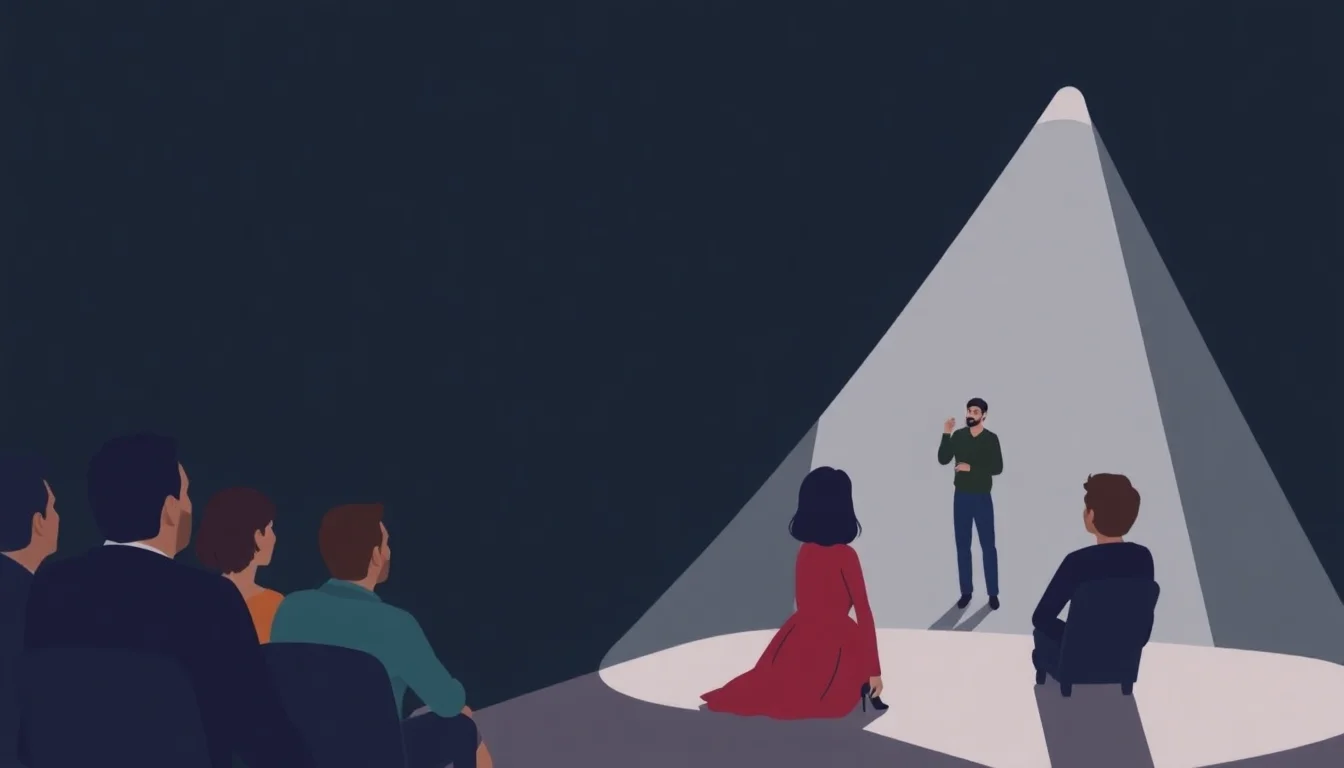
The concept of an ensemble cast, where multiple actors share roughly equal screen time and narrative importance, has roots in various forms of storytelling. In cinema, early examples like D.W. Griffith's "Intolerance" (1916) showcased parallel plots with numerous characters. This approach contrasts with the traditional model that centers on a sole protagonist, as seen in many narratives discussed on platforms like Wikipedia. The rise of television, particularly with sitcoms and soap operas, further popularized ensemble casting due to its flexibility in developing multiple storylines and characters, a strategy also observed in shows like "Friends" and "Game of Thrones." The deliberate choice to distribute focus across many characters, rather than concentrating on one, allows for a broader canvas to explore themes and relationships, a technique that has been analyzed on sites like TV Tropes.
⚙️ How It Works
An ensemble cast is defined by the equal prominence and complexity of its characters, each with well-developed storylines and growth arcs. This means that no single character dominates the narrative, and the audience is encouraged to engage with a variety of perspectives. Films like "Ocean's Eleven" and "The Big Short" exemplify this by featuring a diverse cast where each member plays a crucial role in the overarching plot. This contrasts with productions that might have a clear lead, such as many solo artist features in the music industry or the focused narratives often found in individual creator projects on platforms like YouTube. The diversity in backgrounds among ensemble members also enriches the storytelling, offering a more inclusive representation of experiences, as seen in "Little Miss Sunshine."
🌍 Cultural Impact
The cultural impact of ensemble casts is significant, fostering a sense of community and shared experience among viewers. Shows like "The Sopranos" and "Succession" are celebrated for their intricate character dynamics, where the collective performance is as vital as any individual role. This approach can create a "found family" feel, resonating with audiences on platforms like Reddit, where discussions about favorite TV shows often highlight the chemistry between cast members. The success of ensemble casts in television, as documented by sites like Collider and IMDb, demonstrates their ability to create lasting connections with viewers, often leading to dedicated fan communities and ongoing discussions, much like those found around popular video games or meme culture.
🔮 Legacy & Future
The legacy of ensemble casts continues to shape modern storytelling across film and television. Their ability to explore complex themes through multiple viewpoints remains a powerful tool for creators. As seen in lists compiled by IMDb and IndieWire, shows and films featuring strong ensembles consistently rank among the most beloved and critically acclaimed. The future of ensemble casting likely involves further innovation in how these diverse narratives are presented, potentially integrating new technologies or interactive elements, much like advancements in artificial intelligence or virtual reality. The enduring appeal of ensemble casts lies in their capacity to reflect the multifaceted nature of human experience, offering a rich tapestry of stories that resonate with a wide audience, a principle that echoes in discussions about philosophy and the human condition.
Key Facts
- Year
- Early 20th Century - Present
- Origin
- Cinema, Theatre, Television
- Category
- culture
- Type
- concept
Frequently Asked Questions
What is the primary difference between an ensemble cast and a traditional cast with a lead?
The primary difference lies in the distribution of narrative focus. A traditional cast typically revolves around one or two lead actors who drive the plot, while an ensemble cast distributes significant screen time and importance among a larger group of characters, often with no single protagonist.
What are the benefits of using an ensemble cast?
Ensemble casts allow for a richer exploration of multiple character arcs and their interrelationships, providing diverse perspectives on the story. This can lead to a more complex and nuanced narrative, fostering deeper audience engagement with a wider range of characters. It also offers flexibility for writers to shift focus between characters in different episodes, a strategy seen in shows like "Game of Thrones."
Can you provide examples of famous ensemble casts in film?
Certainly. Famous examples include the casts of "Ocean's Eleven," "Pulp Fiction," "The Big Short," "Crash," and "The Lord of the Rings" trilogy. These films are noted for their large groups of actors who all play pivotal roles in the story, as documented on sites like IMDb and Wikipedia.
What are some highly regarded ensemble casts in television?
Television has a rich history of acclaimed ensemble casts. Notable examples include "The Sopranos," "Succession," "The Office," "Friends," "Game of Thrones," and "Arrested Development." These shows are often praised for the chemistry and individual performances of their entire casts, as highlighted in rankings by Collider and IndieWire.
How does an ensemble cast contribute to a story's themes?
By presenting multiple characters with different backgrounds, motivations, and experiences, an ensemble cast can explore themes from various angles. This multifaceted approach allows for a deeper examination of complex issues and human relationships, making the narrative more relatable and thought-provoking for a broader audience, a concept often discussed in relation to narrative theory.
References
- collider.com — /best-tv-ensemble-casts-ranked/
- reddit.com — /r/television/comments/14rmtzz/whats_the_best_ensemble_show/
- en.wikipedia.org — /wiki/Ensemble_cast
- imdb.com — /list/ls088904183/
- reddit.com — /r/flicks/comments/1jfrm1w/whats_the_best_ensemble_cast_ever_assembled_for_a/
- imdb.com — /list/ls000013081/
- tvtropes.org — /pmwiki/pmwiki.php/Main/EnsembleCast
- en.wikipedia.org — /wiki/List_of_films_with_an_ensemble_cast