
Contents
Overview
Energy storage technologies are the bedrock of a stable and reliable energy future, encompassing a diverse array of methods to capture energy produced at one time for use at a later moment. This crucial function bridges the gap between fluctuating energy supply and dynamic demand, ensuring power is available when and where it's needed. From the ubiquitous rechargeable lithium-ion batteries powering our devices to the colossal pumped-hydro storage systems stabilizing national grids, these technologies convert energy into forms that are easier to store and deploy. The scale ranges from milliseconds for grid frequency regulation to seasons for seasonal energy storage, impacting everything from consumer electronics to industrial processes and the integration of renewable energy sources like solar and wind. As the world grapples with climate change and the transition away from fossil fuels, advancements in energy storage are not just incremental improvements; they are fundamental enablers of a decarbonized global economy.
🎵 Origins & History
The concept of storing energy predates modern electricity, with early humans using firewood to store chemical energy for heat and light. The first rechargeable battery, the lead-acid battery, was developed by Gaston Planté in 1859. The early 20th century saw further innovations, including the nickel-cadmium battery and early flow battery concepts. The latter half of the century witnessed the rise of lithium-ion batteries, pioneered by John Goodenough, M. Stanley Whittingham, and Akira Yoshino, revolutionizing portable electronics and electric vehicles with their high energy density and longevity. Simultaneously, large-scale mechanical storage like pumped-hydro storage gained prominence, with the first major installations appearing in the early 20th century to balance grid loads.
⚙️ How It Works
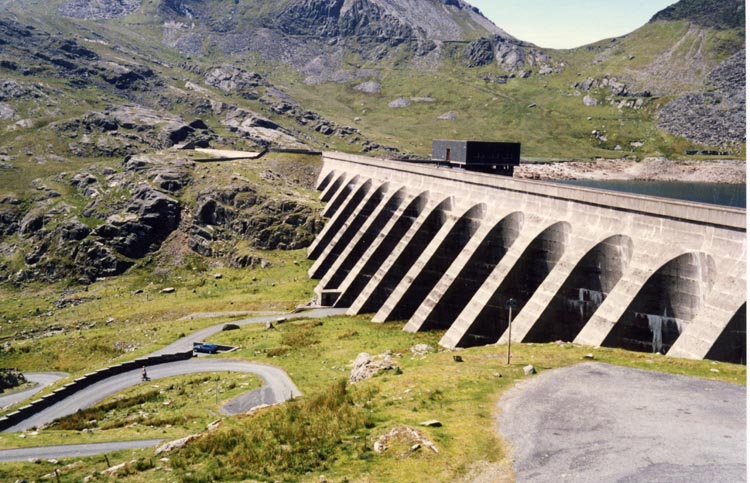
Energy storage technologies operate by converting energy from one form to another, storing it, and then reconverting it for use. Electrochemical storage, like lithium-ion batteries, involves reversible chemical reactions within cells to store and release electrical energy. Mechanical storage, such as pumped-hydro storage, uses electricity to pump water to a higher reservoir, then releases it through turbines to generate power when needed, essentially storing gravitational potential energy. Thermal energy storage captures heat or cold, often using materials like molten salt or ice, for later use in heating, cooling, or electricity generation. Compressed air energy storage (CAES) stores energy by compressing air into underground caverns or tanks, releasing it through turbines to produce electricity. Other methods include supercapacitors that store energy electrostatically, and hydrogen storage, where electricity is used to produce hydrogen via electrolysis, which is then stored and converted back to electricity via fuel cells.
📊 Key Facts & Numbers
The global energy storage market is projected to reach over $1 trillion by 2030, according to BloombergNEF. Lithium-ion batteries currently dominate the market, accounting for over 90% of grid-scale storage installations in 2023. However, pumped-hydro storage remains the largest form of installed energy storage capacity globally, with over 170 GW deployed as of 2023, representing approximately 95% of total grid-scale storage capacity. The average cost of utility-scale battery storage systems has fallen by over 85% since 2010, making it increasingly competitive. By 2030, it's estimated that over 1,000 GW of battery storage will be deployed worldwide, a tenfold increase from current levels.
👥 Key People & Organizations
Pioneering figures in energy storage include Alessandro Volta, inventor of the first battery, and Gaston Planté, who developed the rechargeable lead-acid battery. More recently, John Goodenough, M. Stanley Whittingham, and Akira Yoshino pioneered lithium-ion batteries. Key organizations driving innovation include Tesla, with its Powerwall and Megapack systems; LG Energy Solution, a major battery manufacturer; and CATL (Contemporary Amperex Technology Co. Limited), the world's largest EV battery producer. Research institutions like MIT and Stanford University are at the forefront of developing next-generation storage technologies, while organizations like the International Energy Agency (IEA) track global trends and policy developments.
🌍 Cultural Impact & Influence
Energy storage technologies have fundamentally reshaped how we interact with power. The proliferation of portable electronics, from smartphones to laptops, is enabled by compact and efficient lithium-ion batteries. The advent of electric vehicles (EVs) has spurred massive investment and public awareness, challenging the dominance of internal combustion engines. On a larger scale, grid-scale energy storage is enabling the widespread integration of intermittent renewable energy sources like solar power and wind power, making cleaner energy more reliable and accessible. This shift is not just technological but cultural, fostering a greater appreciation for energy efficiency and the potential for a decentralized, sustainable energy system, as championed by groups like 350.org.
⚡ Current State & Latest Developments
The energy storage landscape is evolving at an unprecedented pace. In 2024, significant investments are being poured into scaling up lithium-ion battery production, with new gigafactories announced by companies like Tesla and Hyundai Motor Group. Beyond lithium-ion, there's a surge in research and pilot projects for alternative chemistries like sodium-ion batteries, solid-state batteries, and zinc-air batteries, aiming for lower costs and improved safety. Grid-scale storage is seeing a boom, with projects like Australia's Gorgon project integrating large battery systems. Furthermore, advancements in hydrogen storage and long-duration energy storage (LDES) technologies, such as thermal energy storage and compressed air energy storage, are gaining traction to address the intermittency of renewables over days or weeks.
🤔 Controversies & Debates
The rapid growth of energy storage is not without its controversies. The sourcing of raw materials for lithium-ion batteries, particularly lithium and cobalt, raises significant ethical and environmental concerns, including human rights abuses in cobalt mining and water scarcity in lithium extraction regions. The disposal and recycling of spent batteries also present a substantial challenge, with current recycling rates still lagging behind production volumes. Furthermore, the sheer scale of grid-scale storage projects, particularly pumped-hydro storage, can have significant environmental impacts, including habitat disruption and altered water flows. Debates also persist regarding the optimal mix of storage technologies for grid stability and the role of fossil fuel-based storage versus fully renewable solutions.
🔮 Future Outlook & Predictions
The future of energy storage is poised for transformative innovation. Experts predict a significant diversification of battery chemistries beyond lithium-ion, with sodium-ion batteries and solid-state batteries expected to gain substantial market share by 2030 due to their potential for lower costs and enhanced safety. Long-duration energy storage (LDES) technologies, capable of storing energy for days or weeks, will become increasingly critical for grid reliability as renewable penetration rises, with flow batteries and hydrogen storage systems likely playing a major role. The integration of artificial intelligence and machine learning in managing distributed energy resources and optimizing storage dispatch will become standard practice. By 2050, energy storage is expected to be an integral component of virtually every energy system, enabling a fully decarbonized global grid.
💡 Practical Applications
Energy storage technologies are
Key Facts
- Category
- technology
- Type
- topic