
Contents
- 🎵 Origins & History
- ⚙️ How It Works
- 📊 Key Facts & Numbers
- 👥 Key People & Organizations
- 🌍 Cultural Impact & Influence
- ⚡ Current State & Latest Developments
- 🤔 Controversies & Debates
- 🔮 Future Outlook & Predictions
- 💡 Practical Applications
- 📚 Related Topics & Deeper Reading
- Frequently Asked Questions
- References
- Related Topics
Overview
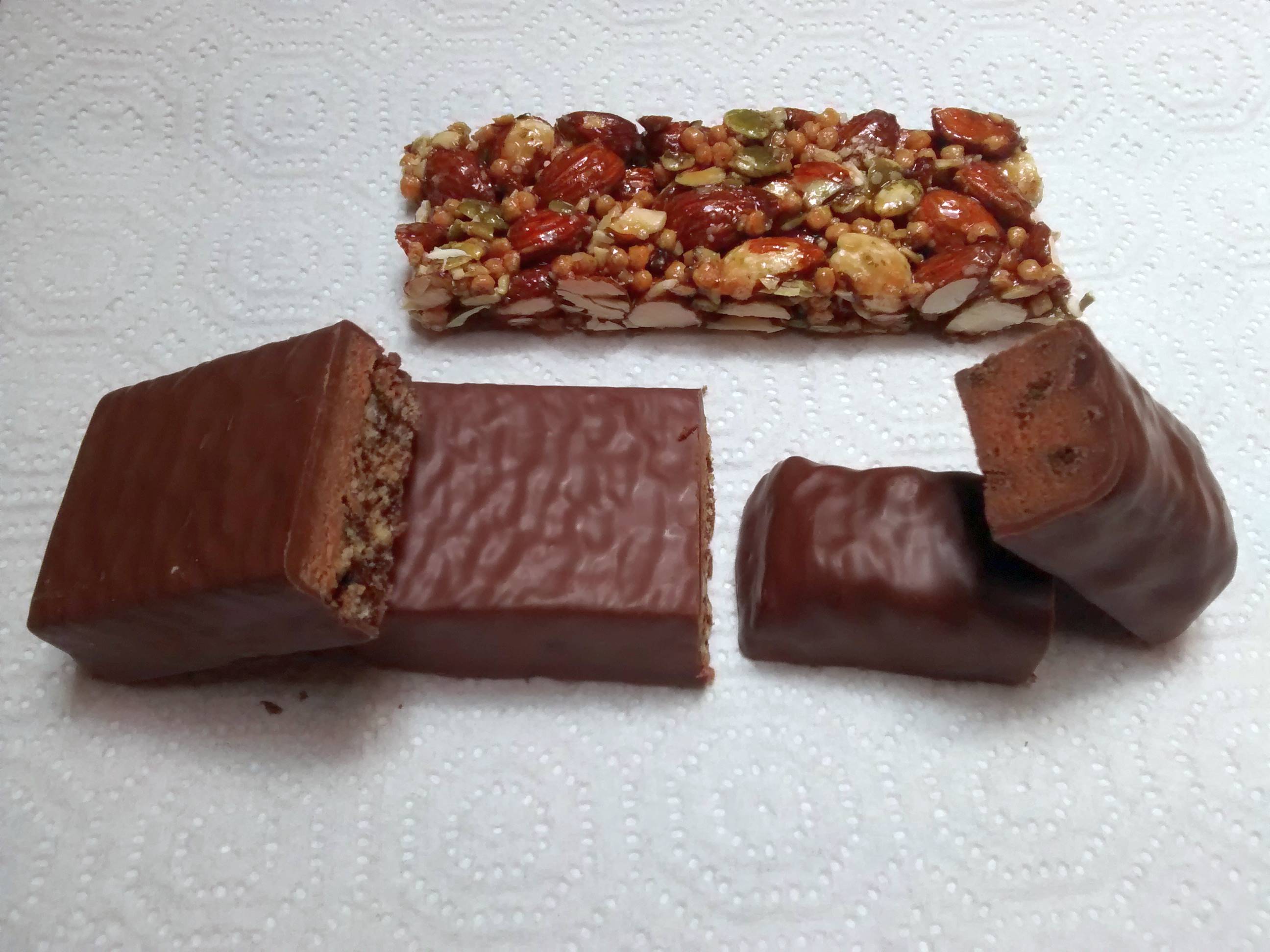
Energy bars are supplemental snack bars designed to provide quick energy through a combination of cereals, micronutrients, and flavor ingredients. With the ability to supply nutrients in sufficient quantity to be used as meal replacements, energy bars have become a staple in many people's diets, particularly among athletes, fitness enthusiasts, and individuals with busy lifestyles. However, the energy bar market has also been criticized for its lack of regulation, misleading marketing, and potential negative impact on public health. According to a report by Grand View Research, the global energy bar market size was valued at USD 5.6 billion in 2020 and is expected to grow at a compound annual growth rate (CAGR) of 5.1% from 2021 to 2028. With major players like Clif Bar, PowerBar, and Quest Nutrition dominating the market, the energy bar industry continues to evolve, with a growing focus on natural ingredients, sustainability, and transparency. As of 2022, the energy bar market has seen a significant shift towards online sales, with platforms like Amazon and Thrive Market becoming major distribution channels.
🎵 Origins & History
The concept of energy bars dates back to the 1960s, when Mars, Inc. introduced the first energy bar, called the Mars Bar. However, it wasn't until the 1980s that energy bars started to gain popularity, with the introduction of PowerBar by Pacific Health Laboratories. Since then, the energy bar market has grown exponentially, with new brands and products emerging every year. For example, Clif Bar was founded in 1992 by Gary Erickson and has since become one of the leading energy bar brands in the market.
⚙️ How It Works
Energy bars typically contain a combination of carbohydrates, protein, and fat, which provide energy for the body. The exact composition of energy bars can vary widely depending on the brand and type, but most contain a mix of ingredients like oats, nuts, seeds, and dried fruit. Some energy bars also contain additional ingredients like vitamins, minerals, and herbal supplements. According to a study published in the Journal of the International Society of Sports Nutrition, energy bars can be an effective way to replenish energy stores after exercise.
📊 Key Facts & Numbers
The energy bar market is a significant industry, with sales projected to reach USD 8.1 billion by 2025, according to a report by MarketsandMarkets. The market is dominated by a few major players, including Clif Bar, PowerBar, and Quest Nutrition. However, there are also many smaller, niche brands that cater to specific dietary needs and preferences, such as RXBAR and Kind Snacks. In 2020, the energy bar market saw a significant increase in sales, with a growth rate of 10.2% compared to the previous year.
👥 Key People & Organizations
Key people in the energy bar industry include Gary Erickson, the founder of Clif Bar, and Peter Rajani, the founder of Quest Nutrition. Organizations like the National Nutrition Foundation and the Academy of Nutrition and Dietetics also play a significant role in shaping the industry and promoting healthy eating habits. For example, the National Nutrition Foundation has partnered with Clif Bar to promote healthy snacking habits among children.
🌍 Cultural Impact & Influence
Energy bars have had a significant cultural impact, particularly among athletes and fitness enthusiasts. They are often seen as a convenient and healthy snack option, and are frequently marketed as a way to fuel workouts and support muscle recovery. However, energy bars have also been criticized for their high sugar content and lack of nutritional value, with some brands being accused of misleading marketing and false advertising. According to a survey conducted by Nielsen, 62% of consumers consider energy bars to be a healthy snack option.
⚡ Current State & Latest Developments
The current state of the energy bar industry is one of rapid growth and innovation, with new products and brands emerging all the time. There is a growing trend towards natural and organic ingredients, as well as a focus on sustainability and transparency. For example, Clif Bar has committed to using only organic and sustainable ingredients in their products, while Quest Nutrition has introduced a line of energy bars made with plant-based protein sources. As of 2022, the energy bar market has seen a significant increase in demand for vegan and gluten-free options.
🤔 Controversies & Debates
Despite their popularity, energy bars are not without controversy. Some brands have been accused of misleading marketing and false advertising, while others have been criticized for their high sugar content and lack of nutritional value. There is also debate about the effectiveness of energy bars as a meal replacement, with some experts arguing that they are not a sufficient substitute for a balanced diet. According to a study published in the Journal of the Academy of Nutrition and Dietetics, energy bars can be a useful tool for weight management, but should not be relied on as the sole source of nutrition.
🔮 Future Outlook & Predictions
Looking to the future, the energy bar industry is likely to continue growing and evolving, with a focus on natural and organic ingredients, sustainability, and transparency. There may also be a growing trend towards personalized nutrition, with energy bars tailored to individual dietary needs and preferences. According to a report by Euromonitor, the global energy bar market is expected to reach USD 10.3 billion by 2027, with the Asia-Pacific region being the fastest-growing market.
💡 Practical Applications
Energy bars have a variety of practical applications, from fueling workouts and supporting muscle recovery to providing a quick and convenient snack for busy lifestyles. They can also be used as a meal replacement in a pinch, although this is not recommended as a long-term solution. For example, Clif Bar offers a range of energy bars specifically designed for different activities, such as hiking or cycling.
Key Facts
- Year
- 2022
- Origin
- United States
- Category
- culture
- Type
- product
Frequently Asked Questions
What are energy bars?
Energy bars are supplemental snack bars designed to provide quick energy through a combination of cereals, micronutrients, and flavor ingredients. They are often marketed as a convenient and healthy snack option, but can also be used as a meal replacement in a pinch. According to a report by MarketsandMarkets, the global energy bar market is expected to reach USD 10.3 billion by 2027.
Who are the major players in the energy bar industry?
The major players in the energy bar industry include Clif Bar, PowerBar, and Quest Nutrition. These brands dominate the market and offer a range of energy bars tailored to different dietary needs and preferences. For example, Clif Bar offers a range of energy bars made with organic and sustainable ingredients, while Quest Nutrition offers a range of energy bars made with plant-based protein sources.
What are the benefits of energy bars?
Energy bars can provide a quick and convenient source of energy, making them a popular choice among athletes and fitness enthusiasts. They can also be used as a meal replacement in a pinch, although this is not recommended as a long-term solution. According to a study published in the Journal of the International Society of Sports Nutrition, energy bars can be an effective way to replenish energy stores after exercise.
What are the drawbacks of energy bars?
Energy bars have been criticized for their high sugar content and lack of nutritional value, with some brands being accused of misleading marketing and false advertising. There is also debate about the effectiveness of energy bars as a meal replacement, with some experts arguing that they are not a sufficient substitute for a balanced diet. According to a report by Consumer Reports, some energy bars can contain high levels of added sugars, sodium, and saturated fats.
How do energy bars impact public health?
The impact of energy bars on public health is a topic of debate, with some experts arguing that they can be a useful tool for weight management and others arguing that they can contribute to a range of health problems, including obesity and diabetes. According to a study published in the Journal of the Academy of Nutrition and Dietetics, energy bars can be a useful tool for weight management, but should not be relied on as the sole source of nutrition.
What is the future of the energy bar industry?
The future of the energy bar industry is likely to be shaped by trends towards natural and organic ingredients, sustainability, and transparency. There may also be a growing trend towards personalized nutrition, with energy bars tailored to individual dietary needs and preferences. According to a report by Euromonitor, the global energy bar market is expected to reach USD 10.3 billion by 2027, with the Asia-Pacific region being the fastest-growing market.
How do energy bars relate to other topics in nutrition and health?
Energy bars relate to a range of other topics in nutrition and health, including sports nutrition, meal replacement bars, and healthy snacking. Deeper reading on these topics can provide a more comprehensive understanding of the energy bar industry and its place within the broader context of nutrition and health. For example, the book The Plant Paradox by Steven Gundry explores the benefits of a plant-based diet and the role of energy bars in supporting overall health and wellness.