
Contents
Overview
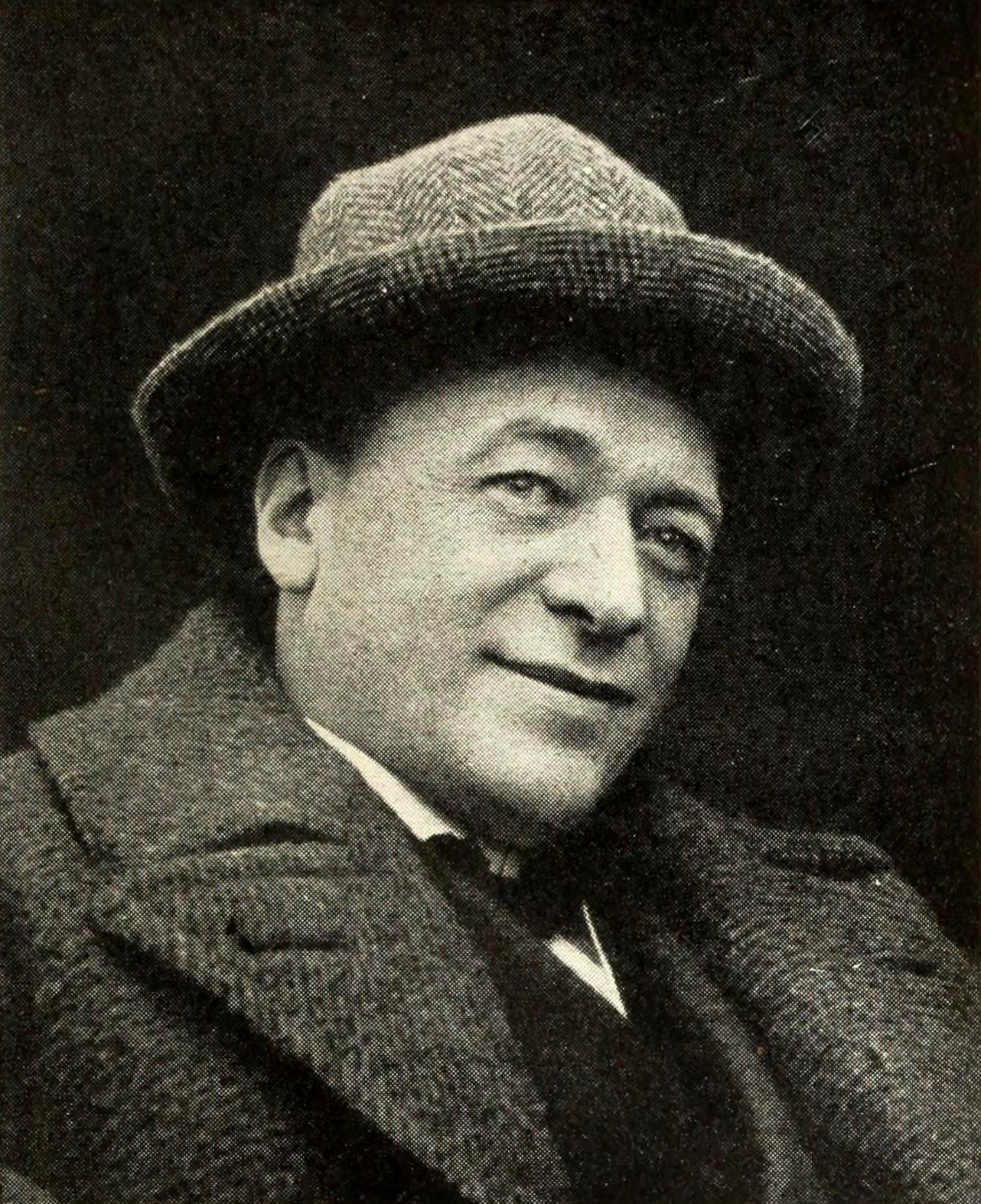
Émile Cohl, born Émile Eugène Jean Louis Courtet, was a pioneering French caricaturist, cartoonist, and animator, widely hailed as 'The Father of the Animated Cartoon.' Emerging from the vibrant Parisian scene of the Incoherent Movement, Cohl transitioned from satirical drawings to groundbreaking cinematic experiments. In 1908, he created Fantasmagorie, the first animated film, a surreal procession of morphing shapes and characters drawn frame-by-frame. This revolutionary work, utilizing simple black-and-white drawings on paper, laid the foundational techniques for the entire animation industry, influencing generations of artists and filmmakers from Walt Disney to Studio Ghibli. Despite his immense impact, Cohl's legacy was largely overlooked for decades, overshadowed by later developments in animation, but his inventive spirit and technical innovations remain a cornerstone of visual storytelling.
🎵 Origins & History
Émile Cohl’s artistic journey began not with animation, but with the sharp wit of caricature. Born Émile Eugène Jean Louis Courtet in Paris, he initially worked under the pseudonym 'Cohl' to avoid familial disapproval of his chosen profession. He became a prominent figure in the Incoherent Movement, a Parisian artistic and literary fad that celebrated absurdity and anti-art sentiments, publishing his satirical drawings in journals like Le Journal Amusant and Le Grelot. His early work often featured political commentary and social critique, reflecting the turbulent artistic and political climate of late 19th-century France. Cohl’s transition to cinema was serendipitous, spurred by an encounter with filmmaker Charles Pathé and a desire to innovate beyond static imagery, a move that would irrevocably alter the course of visual media.
⚙️ How It Works
Cohl's genius in animation lay in his meticulous, frame-by-frame approach, a stark contrast to the more mechanical methods explored by others. His seminal film, Fantasmagorie, was created by drawing each frame directly onto paper, then photographing them. This technique, known as direct animation, allowed for fluid, impossible transformations and a dreamlike quality. He would later experiment with stop-motion, cut-outs, and even manipulated objects, demonstrating a remarkable versatility. His films, often short and surreal, showcased a unique visual language that prioritized imagination and movement over narrative complexity, paving the way for techniques later refined by studios like Fleischer Studios and Disney Animation Studios.
📊 Key Facts & Numbers
While the exact number of films Cohl created is difficult to ascertain, many of his later works, particularly those made during World War I, are lost or incomplete, leaving a significant gap in his filmography. His films were distributed internationally, reaching audiences in the United States and beyond, though precise viewership numbers from that era are difficult to ascertain.
👥 Key People & Organizations
While Émile Cohl was a singular visionary, his work was influenced by and, in turn, influenced several key figures and organizations. His early career was shaped by the Incoherent Movement, a collective of artists and writers who championed absurdity. His foray into cinema was facilitated by figures associated with early film production, such as Charles Pathé of Pathé Frères, who recognized the potential of his animated experiments. Cohl later worked for the Gaumont Film Company, a major player in the French film industry. His pioneering techniques in animation directly inspired later animators like Winsor McCay, who developed his own sophisticated animation methods, and ultimately, the entire generation of animators at Disney Animation Studios who built upon his foundational work.
🌍 Cultural Impact & Influence
Cohl's impact on visual culture is immeasurable, though often uncredited until later scholarship. He is not merely the creator of the first animated film, Fantasmagorie, but also a progenitor of narrative animation and experimental cinema. His surreal, morphing characters and dreamlike sequences established a visual vocabulary that continues to resonate in contemporary animation, graphic design, and even digital art. The concept of drawing a character that moves independently of its drawn environment, a core principle in Cohl's work, became the bedrock of the animation industry. His influence can be traced through the evolution of animated shorts, feature films, and even the visual effects seen in modern cinema, demonstrating a profound and lasting legacy on how stories are told through moving images.
⚡ Current State & Latest Developments
In the 21st century, Émile Cohl's work is experiencing a significant revival, with retrospectives, digital restorations, and academic research bringing his contributions to the forefront. Institutions like the Cinematheque Française and the Animation Research Institute are actively involved in preserving and promoting his filmography. While no new films are being produced by Cohl himself, his techniques and artistic spirit are continuously reinterpreted by contemporary animators and digital artists. The ongoing digitization of early cinema ensures that his foundational works remain accessible, allowing new audiences to discover the origins of their favorite animated characters and stories, influencing platforms like YouTube where his films are often shared.
🤔 Controversies & Debates
The primary debate surrounding Émile Cohl's legacy concerns his recognition. For decades, his pivotal role as the inventor of the animated cartoon was largely overshadowed by American animators like Walt Disney and J. Thurber Terry, who popularized and commercialized animation on a grander scale. Some critics argue that Cohl's surreal and often abstract style was too avant-garde for mainstream audiences of his time, limiting its immediate commercial success compared to later, more narrative-driven animation. Furthermore, the significant loss of his film prints due to neglect and the ravages of time presents a challenge for a complete understanding and appreciation of his oeuvre, leading to ongoing efforts in film preservation and restoration.
🔮 Future Outlook & Predictions
The future of Émile Cohl's influence lies in the continued exploration and reinterpretation of his pioneering techniques. As digital animation tools become more sophisticated, artists are increasingly looking back to the foundational principles Cohl established, seeking to blend traditional methods with new technologies. There is potential for further academic research to uncover lost works or provide deeper insights into his creative process. Moreover, the ongoing accessibility of his surviving films through digital archives and streaming platforms suggests a sustained interest, potentially inspiring new forms of experimental animation and visual storytelling that push the boundaries of what is possible, much like Cohl did over a century ago.
💡 Practical Applications
Émile Cohl's innovations in animation have direct practical applications that extend far beyond the realm of entertainment. His frame-by-frame drawing technique is the fundamental basis for all traditional cel animation, a method still employed in various forms today, particularly in independent animation and anime. The principles of visual transformation and morphing he pioneered are foundational to modern motion graphics and visual effects used in films, advertising, and interactive media. His experimental approach to storytelling and visual abstraction continues to inform the design of user interfaces, game development, and even educational content, demonstrating that the techniques born from a single cartoonist's imagination have become indispensable tools in contemporary visual communication.
Key Facts
- Category
- culture
- Type
- person