
Contents
Overview
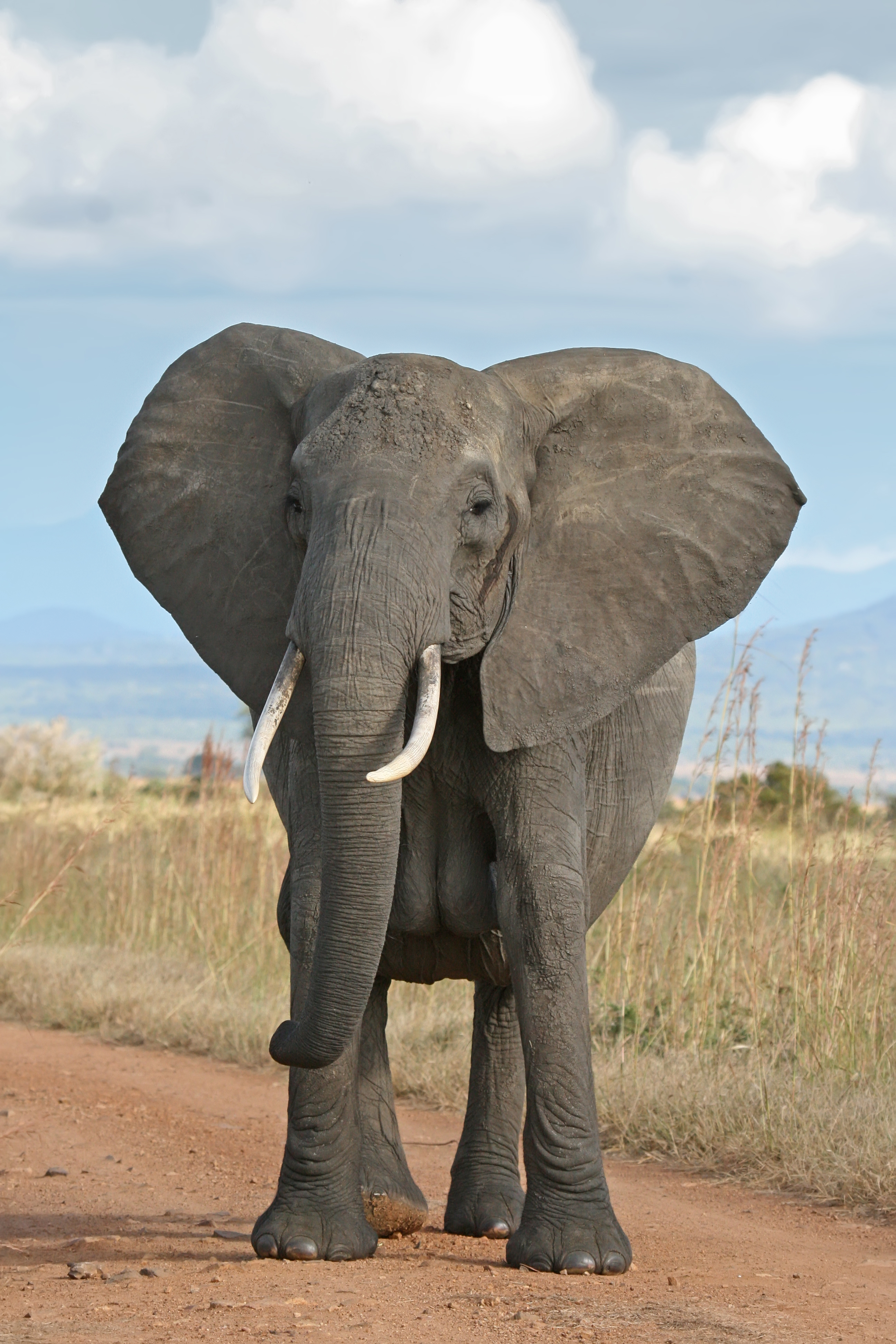
The evolutionary journey of elephant tusks traces back millions of years, with early proboscideans exhibiting a wide array of tusk morphologies. Modern elephant tusks are derived from the upper incisor teeth, a unique adaptation that distinguishes them from the tusks of other mammals like walruses or wild boars, which are modified canine teeth. This specialized dental development allowed ancestral elephants to access food sources, such as stripping bark or digging for water, and to engage in intraspecific combat. The distinct lineage of African bush elephants (Loxodonta africana) and African forest elephants (Loxodonta cyclotis) often display larger, more curved tusks compared to the generally smaller, straighter tusks of the Asian elephant (Elephas maximus), reflecting divergent evolutionary pressures and ecological niches. The very existence of these magnificent ivory structures has, however, placed elephants at the center of human exploitation for millennia.
⚙️ How It Works
Elephant tusks are essentially oversized incisor teeth, composed primarily of dentin—a calcified tissue—covered by a thin layer of cementum. This dentin is unique, featuring a cross-hatching pattern known as Schreger lines when viewed in cross-section, a characteristic that helps authenticate ivory. The tusks grow continuously throughout an elephant's life from a pulp cavity at the base, similar to how human teeth grow, though they do not have roots. Their length and weight can vary dramatically, with some individuals, particularly male African bush elephants, developing tusks exceeding 3 meters (9.8 feet) and weighing over 100 kilograms (220 lbs). This remarkable dental growth serves multiple functions: as tools for digging for water and minerals, for stripping bark from trees, for moving logs and rocks, and as formidable weapons in defense against predators like lions and in dominance battles with rival elephants. The prehensile trunk often works in conjunction with the tusks, manipulating objects and bringing them to the mouth.
📊 Key Facts & Numbers
Globally, an estimated 400,000 to 600,000 elephants roamed Africa in the early 20th century, a population that has since seen catastrophic declines. Between 1979 and 1989 alone, the African elephant population plummeted by approximately 50%, from around 1.3 million to just over 600,000 individuals, largely due to the ivory trade. In 2016, a study by the Great Elephant Census revealed that the population of savanna elephants in Africa had declined by an alarming 30% in just seven years. The illegal ivory trade is estimated to be worth between $50 million and $200 million annually, fueling organized crime and corruption. A single kilogram of high-quality ivory can fetch prices ranging from $700 to $2,000 on the black market, incentivizing poaching. The weight of tusks can range from a few kilograms to over 100 kg for exceptionally large individuals.
👥 Key People & Organizations
Key figures in the fight against the ivory trade include Richard Leakey, a renowned paleoanthropologist and conservationist who led the Kenya Wildlife Service and famously burned 12 tons of confiscated ivory in 1989 to signal a zero-tolerance policy. Organizations like the World Wildlife Fund (WWF), Wildlife Conservation Society (WCS), and Save the Elephants are at the forefront of anti-poaching efforts, habitat protection, and policy advocacy. Conservationists like Dr. Ian Douglas-Hamilton have dedicated decades to studying elephant behavior and advocating for their protection, pioneering techniques for elephant monitoring. The Convention on International Trade in Endangered Species of Wild Fauna and Flora (CITES) plays a crucial role in regulating international ivory trade, with member nations voting on proposals to allow or ban trade.
🌍 Cultural Impact & Influence
Elephant tusks have held profound cultural significance across various societies for millennia. In ancient Egypt, ivory was a symbol of status and was used in intricate carvings and royal regalia. Across many African cultures, tusks are associated with power, longevity, and spiritual importance, often incorporated into traditional art, ceremonies, and even currency. In China, ivory carvings have been a highly prized art form for centuries, contributing significantly to the demand that has driven poaching. The sheer aesthetic appeal of ivory, its workability, and its perceived rarity have cemented its place in global art markets, from intricate sculptures to decorative inlay work. However, this cultural reverence has come at a devastating cost to elephant populations, creating a complex interplay between cultural heritage and conservation imperatives.
⚡ Current State & Latest Developments
The current state of elephant tusks is one of intense conservation focus and ongoing debate. While international trade in new ivory has been largely banned under CITES since 1989, illegal poaching continues to be a major threat, particularly in parts of Africa and Asia. Some countries, like Botswana, have large, stable elephant populations and have debated the merits of carefully managed legal ivory trade to fund conservation, a proposal consistently met with strong opposition from many conservation groups and other nations. The rise of synthetic ivory alternatives, such as tagua nut and advanced plastics, offers potential solutions for reducing demand for real ivory. However, the persistent demand, often driven by wealthy consumers in Asia, means that the threat to elephants remains acute. Recent seizures of large ivory shipments, such as a 2023 confiscation of over 2 tons of ivory in Kenya, underscore the ongoing scale of the illegal trade.
🤔 Controversies & Debates
The most significant controversy surrounding elephant tusks revolves around the legal vs. illegal ivory trade. Proponents of a regulated legal trade, such as some southern African nations, argue that it could provide much-needed revenue for conservation efforts and allow for the disposal of stockpiled confiscated ivory, potentially reducing the incentive for poaching by flooding the market. Opponents, including major conservation organizations like the WWF and the International Fund for Animal Welfare (IFAW), contend that any legal trade legitimizes ivory and inevitably fuels demand, making it harder to enforce bans and track illegal shipments. The debate also extends to the ethics of hunting elephants, with trophy hunting being a contentious issue, though it typically targets bulls and not necessarily ivory poachers. Furthermore, the effectiveness of current international bans and the role of consumer demand in driving the trade remain subjects of intense discussion.
🔮 Future Outlook & Predictions
The future outlook for elephant tusks is precarious, hinging on a delicate balance between conservation success and the persistent pressures of poaching and habitat loss. Futurist projections suggest that without drastic intervention, wild elephant populations could face further significant declines, potentially leading to localized extinctions in some regions. The development and widespread adoption of effective, affordable synthetic ivory alternatives could significantly reduce market demand, a critical factor in curbing the illegal trade. Conservationists are exploring innovative technologies, such as AI-powered surveillance and advanced DNA analysis to track ivory origins, to combat poaching more effectively. There is also a growing recognition of the need to address the socio-economic drivers of poaching in local communities, fostering alternative livelihoods and greater community involvement in conservation. The long-term survival of elephants, and by extension their iconic tusks, will depend on sustained international cooperation, robust enforcement, and a fundamental shift in consumer attitudes towards ivory products.
💡 Practical Applications
While the primary practical application of elephant tusks today is their role in the illegal wildlife trade, historically and in limited, regulated contexts, ivory has
Key Facts
- Category
- nature
- Type
- topic