
Contents
Overview
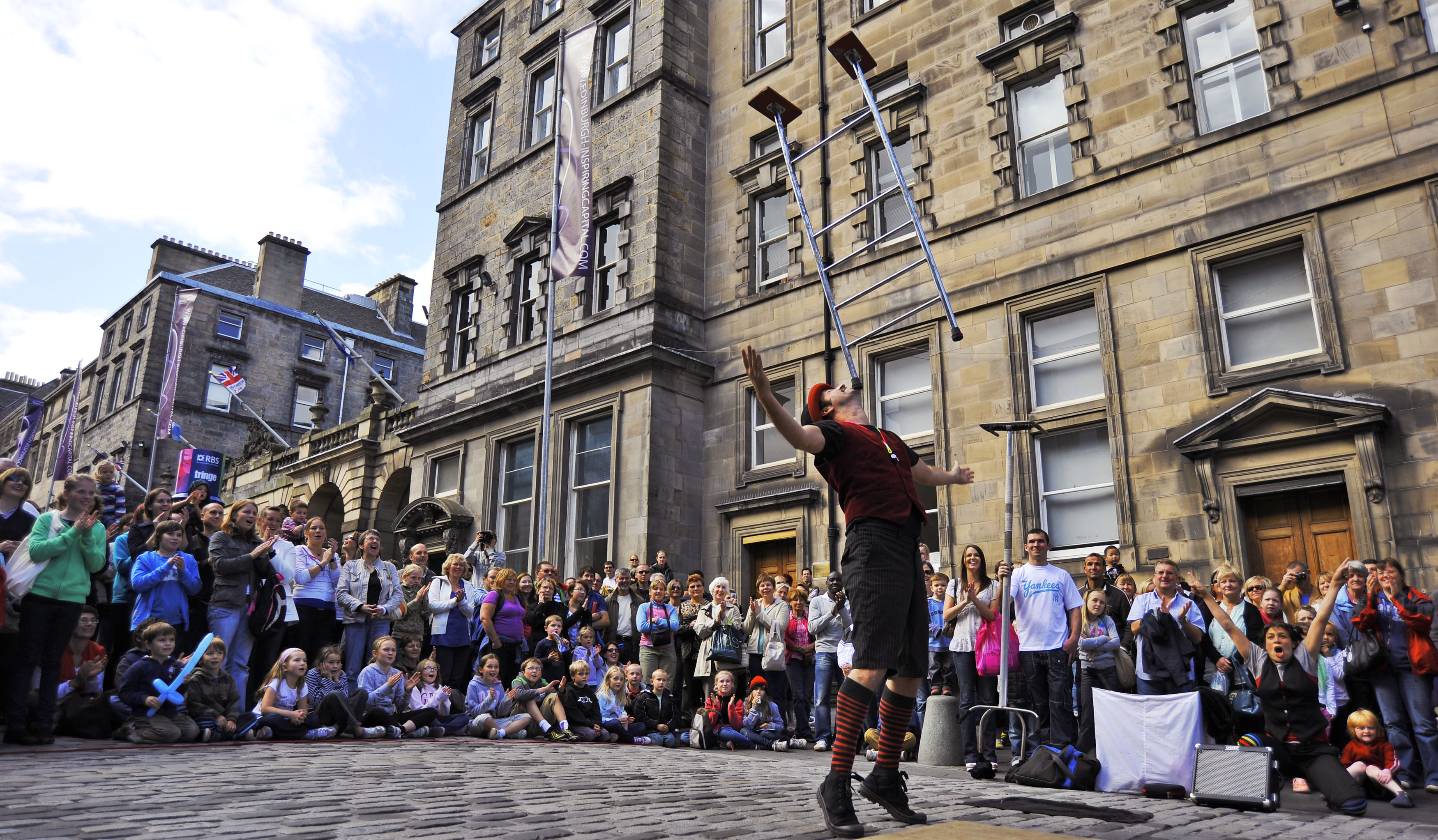
The genesis of the Edinburgh Festival Fringe can be traced back to 1947, a year that also saw the inauguration of the more curated Edinburgh International Festival. Eight theatre companies, finding themselves uninvited to the official festival, decided to stage their own performances on the 'fringe' of the main event. This act of artistic defiance, spearheaded by figures like John Muir of The Scotsman newspaper who encouraged these independent groups, laid the groundwork for what would become an international phenomenon. The initial years saw organic growth, with the concept of an open-access festival gradually taking root, attracting performers from across the UK and beyond. By the 1950s and 60s, the Fringe had established itself as a distinct entity, a vibrant, often chaotic, counterpoint to the more formal arts scene, cementing its identity as a platform for the experimental and the emerging.
⚙️ How It Works
At its core, the Edinburgh Fringe operates on an open-access model, meaning there are no auditions, no selection committees, and no central artistic director dictating the programme. Any artist or company can book a venue and stage a show, provided they can secure funding and manage their own logistics. This democratic approach is facilitated by a vast network of venues, ranging from purpose-built theatres to pubs, church halls, and even converted shipping containers, all of which sell space to performers. The Edinburgh Fringe Society is the central administrative body, publishing the official programme, providing ticketing services, and offering support to participants, but it does not curate the content itself. This radical inclusivity is what allows for the sheer diversity of shows, from established touring companies to solo comedians performing for the first time.
📊 Key Facts & Numbers
The sheer scale of the Edinburgh Fringe is staggering. The festival spans 25 days, from early August to the end of the month, and facilitates thousands of individual performances. These shows are spread across thousands of distinct productions, utilizing hundreds of different venues throughout Edinburgh. Ticket sales surpass millions, underscoring its immense popularity and economic impact. Participants hail from numerous countries, reflecting its truly global reach. The Fringe's economic contribution to Edinburgh is significant, with visitor numbers often exceeding the city's resident population during August.
👥 Key People & Organizations
While the Fringe is defined by its open-access nature, certain individuals and organizations have played pivotal roles in its development and recognition. The Edinburgh Fringe Society is the primary organizational body, responsible for the programme, ticketing, and marketing. Key figures in its early history include journalists like John Muir who championed independent theatre. Over the decades, countless artists, from emerging comedians like Billy Connolly and Rowan Atkinson to established theatre companies, have used the Fringe as a launchpad. Organizations such as the Scottish Theatre and Dance Organisations and the Scottish Government provide crucial funding and support, recognizing the festival's cultural and economic significance. The University of Edinburgh also plays a role, often hosting performances and contributing to the city's vibrant August atmosphere.
🌍 Cultural Impact & Influence
The Edinburgh Fringe has profoundly shaped the global performing arts landscape. It is the birthplace of 'fringe theatre,' a term now synonymous with independent, experimental, and often politically charged performance. Countless careers have been launched on its stages, with comedians, actors, and playwrights gaining international recognition after successful runs. The festival's open-access model has inspired similar festivals worldwide, from the New York International Fringe Festival to the Adelaide Fringe. Beyond the arts, the Fringe has cemented Edinburgh's reputation as a major international cultural capital, drawing hundreds of thousands of tourists annually and significantly boosting the city's economy and global profile. Its influence can be seen in the proliferation of independent theatre companies and the growing acceptance of unjuried performance platforms.
⚡ Current State & Latest Developments
As of August 2024, the Edinburgh Festival Fringe continues its trajectory as a dominant force in the global arts scene. Preparations for upcoming festivals are already underway, with venue bookings and artist applications commencing well in advance. Recent developments have focused on sustainability initiatives, aiming to reduce the environmental impact of the massive influx of people and performances. There's also a continued emphasis on digital integration, with enhanced online ticketing and streaming options for some shows, a trend accelerated by the COVID-19 pandemic. The Fringe Society is also exploring ways to better support artists facing rising costs for accommodation and travel, a persistent challenge for participants. The festival remains a critical barometer for the health of the performing arts industry, showcasing both its resilience and its capacity for innovation.
🤔 Controversies & Debates
The Fringe's open-access model, while celebrated for its inclusivity, is not without its critics. A significant debate revolves around the economic viability for artists, with many performers struggling to recoup costs due to high venue fees, accommodation expenses in Edinburgh, and the inherent gamble of an unjuried festival. Critics argue that the sheer volume of shows can lead to a 'drowning out' effect, making it difficult for truly exceptional work to gain traction amidst the noise. Furthermore, concerns are frequently raised about the gentrification of Edinburgh during August, with soaring prices impacting local residents. The reliance on a commercial model for venue hire also means that while the festival is artist-led, it is heavily influenced by commercial interests and the ability of artists to pay for exposure.
🔮 Future Outlook & Predictions
The future of the Edinburgh Festival Fringe appears poised for continued evolution, balancing its core open-access ethos with the practicalities of a globalized arts market. Expect further integration of digital platforms, potentially offering more hybrid physical-digital performances and wider global accessibility. The challenge of artist sustainability will likely intensify, prompting innovative solutions for affordable accommodation and fairer venue agreements, possibly involving more non-profit or subsidized venue models. There's also a growing conversation around the festival's environmental footprint, with increased pressure for sustainable touring and venue practices. The Fringe's role as a talent incubator will undoubtedly persist, but its ability to remain truly accessible to emerging artists amidst rising costs will be a key determinant of its future vibrancy and relevance.
💡 Practical Applications
The Edinburgh Festival Fringe serves as a crucial proving ground and launchpad for performing artists across all disciplines. For theatre companies, it's an opportunity to test new work, gain critical reviews, and attract international touring opportunities. Comedians utilize the festival to hone their sets, develop new material, and gain exposure to agents and audiences, with many successful stand-up comedy specials originating from Fringe performances. Dance troupes and experimental artists can showcase innovative choreography and performance art to a diverse, international audience. Beyond performance, the Fringe is a vital networking hub for industry professionals, including producers, directors, and talent agents, making it an essential event for anyone serious about a career in the performing arts.
Key Facts
- Category
- events
- Type
- topic