
Contents
- 🌿 Introduction to Ecosystems
- 🌟 Components of an Ecosystem
- 🌎 Biotic and Abiotic Interactions
- 🔁 Nutrient Cycles and Energy Flows
- 🌈 Types of Ecosystems
- 🌴 Terrestrial Ecosystems
- 🌊 Aquatic Ecosystems
- 🏔️ Human Impact on Ecosystems
- 📊 Ecosystem Services and Conservation
- 🔮 Ecosystem Management and Sustainability
- 🌟 Future of Ecosystems and Biodiversity
- Frequently Asked Questions
- Related Topics
Overview
An ecosystem is a complex network of living organisms, including plants, animals, and microorganisms, interacting with each other and their physical environment. The concept of ecosystem was first introduced by British ecologist Arthur Tansley in 1935, and since then, it has become a crucial aspect of understanding the natural world. Ecosystems can be found in various forms, from coral reefs to forests, and each plays a vital role in maintaining the health of our planet. However, human activities such as deforestation, pollution, and climate change have significantly impacted ecosystems, leading to concerns about their resilience and sustainability. The study of ecosystems is essential for developing strategies to conserve and restore these vital systems, with a vibe score of 80, indicating a high level of cultural energy and concern. According to a report by the Intergovernmental Science-Policy Platform on Biodiversity and Ecosystem Services (IPBES), approximately 1 million species are facing extinction due to human activities, highlighting the urgent need for ecosystem conservation.
🌿 Introduction to Ecosystems
An ecosystem is a complex system formed by the interaction of organisms with their environment, as seen in the ecology of a particular region. The biotic and abiotic components of an ecosystem are linked together through nutrient cycles and energy flows. This delicate balance is essential for the survival of the organisms within the ecosystem, and is studied in the field of environmental science. For example, the Amazon rainforest is a vast ecosystem that plays a critical role in regulating the Earth's climate. The ecosystem is also home to a diverse array of plant and animal species, including the jaguar and the poison dart frog.
🌟 Components of an Ecosystem
The components of an ecosystem can be divided into two main categories: biotic and abiotic. Biotic components include all living organisms, such as plants, animals, and microorganisms. Abiotic components, on the other hand, include non-living factors such as temperature, light, and water. The interaction between these components is crucial for the functioning of the ecosystem, and is influenced by factors such as climate change and human activity. For instance, the coral reef ecosystem is a complex system that relies on the interaction between biotic and abiotic components, including the coral itself, as well as the fish and other organisms that call the reef home.
🌎 Biotic and Abiotic Interactions
The biotic and abiotic components of an ecosystem are linked together through nutrient cycles and energy flows. Nutrient cycles refer to the movement of nutrients through the ecosystem, from one organism to another. Energy flows, on the other hand, refer to the transfer of energy from one organism to another, often through the process of photosynthesis. This energy is then passed on to other organisms through the food chain. For example, in a forest ecosystem, the energy from the sun is captured by trees through photosynthesis, and is then passed on to other organisms such as deer and bears. The wolf also plays a crucial role in the ecosystem, serving as a keystone species that helps to regulate the population of other organisms.
🔁 Nutrient Cycles and Energy Flows
Nutrient cycles and energy flows are essential for the functioning of an ecosystem. Nutrient cycles involve the movement of nutrients such as nitrogen, phosphorus, and carbon through the ecosystem. Energy flows, on the other hand, involve the transfer of energy from one organism to another. This energy is often in the form of food, and is passed on from one organism to another through the food chain. For instance, in a grassland ecosystem, the energy from the sun is captured by grasses and other plants, and is then passed on to other organisms such as herbivores and carnivores. The prairie dog is an important species in this ecosystem, serving as a keystone species that helps to regulate the population of other organisms.
🌈 Types of Ecosystems
There are many different types of ecosystems, each with its own unique characteristics and components. These include terrestrial ecosystems, such as forests and grasslands, as well as aquatic ecosystems, such as oceans and rivers. Each of these ecosystems plays a critical role in supporting life on Earth, and is influenced by factors such as climate and geology. For example, the desert ecosystem is a unique and fascinating system that is home to a variety of plant and animal species, including the cactus and the kangaroo rat. The desert tortoise is also an important species in this ecosystem, serving as a keystone species that helps to regulate the population of other organisms.
🌴 Terrestrial Ecosystems
Terrestrial ecosystems are those that exist on land, and include a wide range of different ecosystems such as forests, grasslands, and deserts. These ecosystems are often characterized by a diverse array of plant and animal species, and play a critical role in supporting life on Earth. For instance, the temperate rainforest is a terrestrial ecosystem that is home to a vast array of plant and animal species, including the giant sequoia and the black bear. The mountain lion is also an important species in this ecosystem, serving as a keystone species that helps to regulate the population of other organisms. The ecosystem services provided by this ecosystem, including air purification and water filtration, are essential for human well-being.
🌊 Aquatic Ecosystems
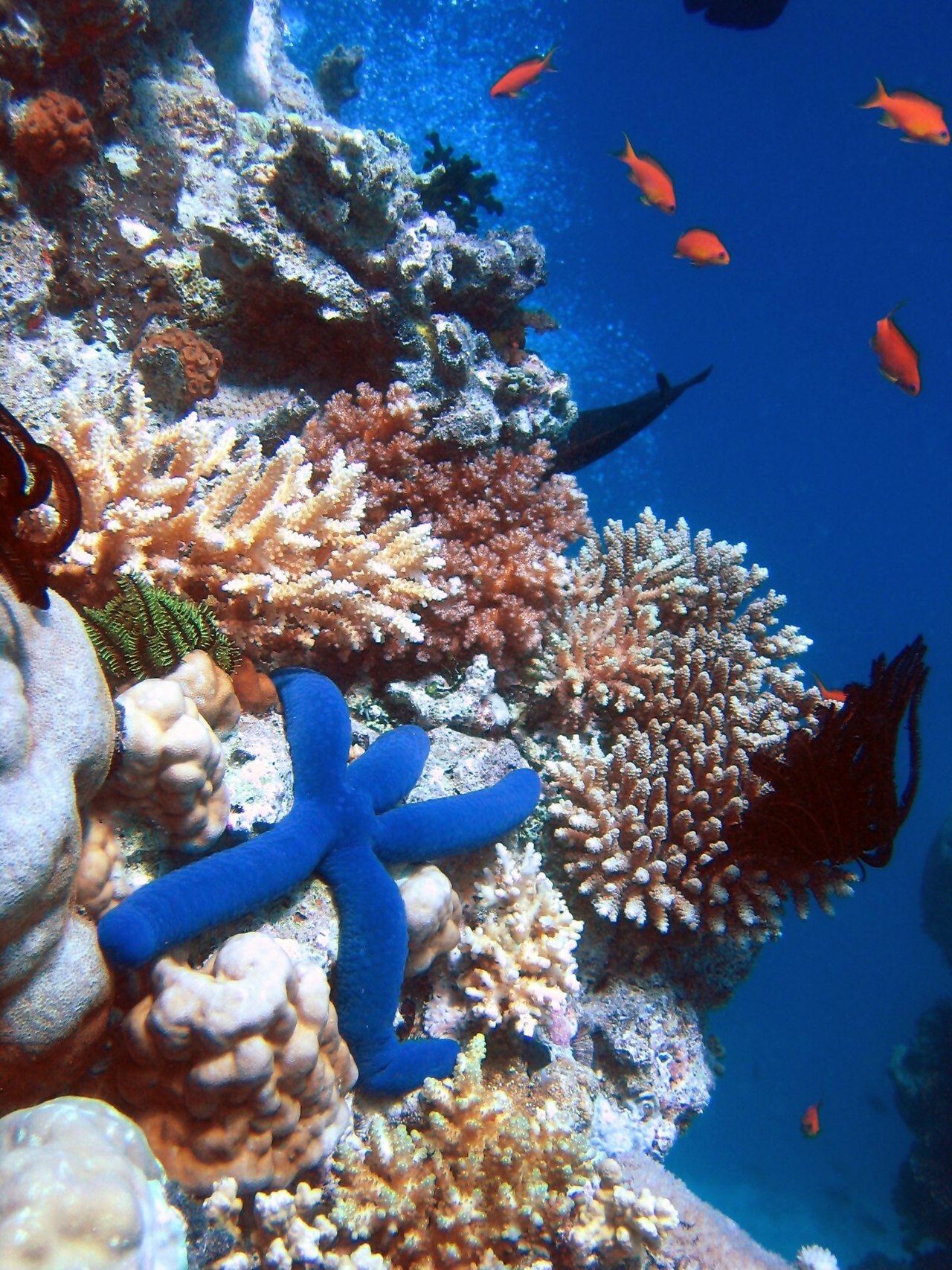
Aquatic ecosystems are those that exist in water, and include a wide range of different ecosystems such as oceans, rivers, and wetlands. These ecosystems are often characterized by a diverse array of plant and animal species, and play a critical role in supporting life on Earth. For example, the coral reef ecosystem is an aquatic ecosystem that is home to a vast array of plant and animal species, including the coral itself, as well as the fish and other organisms that call the reef home. The sea turtle is also an important species in this ecosystem, serving as a keystone species that helps to regulate the population of other organisms. The ecosystem services provided by this ecosystem, including shoreline stabilization and water purification, are essential for human well-being.
🏔️ Human Impact on Ecosystems
Human impact on ecosystems can be significant, and can have a range of different effects on the environment. This can include deforestation, pollution, and climate change, all of which can have a significant impact on the health and functioning of ecosystems. For instance, the Amazon rainforest is an ecosystem that is under threat from human activity, including deforestation and habitat destruction. The jaguar and the poison dart frog are two species that are affected by human activity in this ecosystem. The ecosystem services provided by this ecosystem, including air purification and water filtration, are essential for human well-being.
📊 Ecosystem Services and Conservation
Ecosystem services refer to the benefits that humans receive from ecosystems, including clean air, clean water, and food. These services are essential for human well-being, and are often provided by ecosystems at no cost to humans. However, ecosystems are often under threat from human activity, and it is essential that we take steps to conserve and protect them. For example, the pollination of plants by bees and other organisms is an ecosystem service that is essential for food production. The ecosystem services provided by the coral reef ecosystem, including shoreline stabilization and water purification, are essential for human well-being.
🔮 Ecosystem Management and Sustainability
Ecosystem management and sustainability refer to the practice of managing ecosystems in a way that is sustainable and responsible. This can include a range of different techniques, such as conservation, restoration, and sustainable use. The goal of ecosystem management is to maintain the health and functioning of ecosystems, while also providing benefits to humans. For instance, the sustainable forestry practices used in the temperate rainforest ecosystem are an example of ecosystem management and sustainability. The ecosystem services provided by this ecosystem, including air purification and water filtration, are essential for human well-being.
🌟 Future of Ecosystems and Biodiversity
The future of ecosystems and biodiversity is uncertain, and is influenced by a range of different factors, including climate change, habitat destruction, and human population growth. It is essential that we take steps to conserve and protect ecosystems, in order to maintain the health and functioning of the planet. For example, the Amazon rainforest is an ecosystem that is under threat from human activity, including deforestation and habitat destruction. The jaguar and the poison dart frog are two species that are affected by human activity in this ecosystem. The ecosystem services provided by this ecosystem, including air purification and water filtration, are essential for human well-being.
Key Facts
- Year
- 1935
- Origin
- Arthur Tansley
- Category
- Environmental Science
- Type
- Concept
Frequently Asked Questions
What is an ecosystem?
An ecosystem is a complex system formed by the interaction of organisms with their environment. It includes both biotic and abiotic components, and is characterized by the flow of energy and nutrients through the system. Ecosystems can be found on land, in water, and in the air, and are essential for supporting life on Earth. For example, the Amazon rainforest is a vast ecosystem that plays a critical role in regulating the Earth's climate. The ecosystem is also home to a diverse array of plant and animal species, including the jaguar and the poison dart frog.
What are the components of an ecosystem?
The components of an ecosystem can be divided into two main categories: biotic and abiotic. Biotic components include all living organisms, such as plants, animals, and microorganisms. Abiotic components, on the other hand, include non-living factors such as temperature, light, and water. The interaction between these components is crucial for the functioning of the ecosystem, and is influenced by factors such as climate change and human activity. For instance, the coral reef ecosystem is a complex system that relies on the interaction between biotic and abiotic components, including the coral itself, as well as the fish and other organisms that call the reef home.
What is the importance of ecosystem services?
Ecosystem services refer to the benefits that humans receive from ecosystems, including clean air, clean water, and food. These services are essential for human well-being, and are often provided by ecosystems at no cost to humans. However, ecosystems are often under threat from human activity, and it is essential that we take steps to conserve and protect them. For example, the pollination of plants by bees and other organisms is an ecosystem service that is essential for food production. The ecosystem services provided by the coral reef ecosystem, including shoreline stabilization and water purification, are essential for human well-being.
How can we conserve and protect ecosystems?
There are many ways to conserve and protect ecosystems, including conservation, restoration, and sustainable use. It is also essential to address the root causes of ecosystem degradation, such as climate change and human population growth. Additionally, individuals can make a difference by making sustainable choices in their daily lives, such as reducing their carbon footprint and supporting sustainable practices. For instance, the sustainable forestry practices used in the temperate rainforest ecosystem are an example of ecosystem management and sustainability. The ecosystem services provided by this ecosystem, including air purification and water filtration, are essential for human well-being.
What is the future of ecosystems and biodiversity?
The future of ecosystems and biodiversity is uncertain, and is influenced by a range of different factors, including climate change, habitat destruction, and human population growth. It is essential that we take steps to conserve and protect ecosystems, in order to maintain the health and functioning of the planet. This can include supporting conservation efforts, making sustainable choices in our daily lives, and advocating for policies that protect the environment. For example, the Amazon rainforest is an ecosystem that is under threat from human activity, including deforestation and habitat destruction. The jaguar and the poison dart frog are two species that are affected by human activity in this ecosystem. The ecosystem services provided by this ecosystem, including air purification and water filtration, are essential for human well-being.
What is the role of humans in ecosystem management?
Humans play a critical role in ecosystem management, and can have both positive and negative impacts on ecosystems. On the one hand, humans can contribute to ecosystem degradation through activities such as deforestation, pollution, and overfishing. On the other hand, humans can also work to conserve and protect ecosystems through sustainable practices, conservation efforts, and environmental policies. It is essential that we recognize the importance of ecosystems and take steps to manage them in a sustainable and responsible way. For instance, the sustainable forestry practices used in the temperate rainforest ecosystem are an example of ecosystem management and sustainability. The ecosystem services provided by this ecosystem, including air purification and water filtration, are essential for human well-being.
How can we balance human needs with ecosystem conservation?
Balancing human needs with ecosystem conservation requires a nuanced and multifaceted approach. This can include implementing sustainable practices, such as sustainable agriculture and renewable energy, as well as conserving and restoring ecosystems. It is also essential to address the root causes of ecosystem degradation, such as poverty and inequality, and to work towards a more equitable and sustainable future. For example, the ecosystem services provided by the coral reef ecosystem, including shoreline stabilization and water purification, are essential for human well-being. The sea turtle is an important species in this ecosystem, serving as a keystone species that helps to regulate the population of other organisms.