
Contents
- 🎤 Introduction to the Rivalry
- 🗽️ The East Coast Hip Hop Scene
- 🌴 The West Coast Hip Hop Scene
- 📻 The Rise of Coastal Rivalry
- 💣 The Infamous Feud: Tupac vs Biggie
- 👊 The Role of Record Labels
- 🎶 Musical Differences and Similarities
- 📊 The Impact on Hip Hop Culture
- 👑 The Legacy of the Rivalry
- 🤝 Reconciliation and Unity
- 🔮 The Future of Hip Hop
- Frequently Asked Questions
- Related Topics
Overview
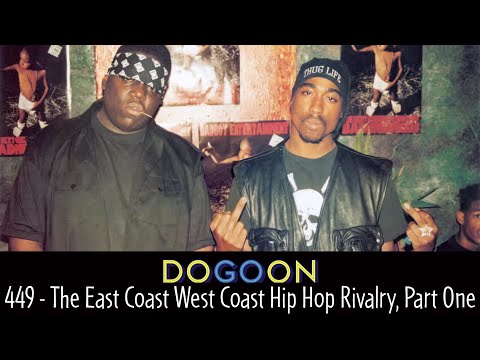
The East Coast vs West Coast hip hop rivalry was a pivotal moment in music history, pitting two distinct styles and ideologies against each other. The East Coast, led by The Notorious B.I.G. and Jay-Z, was known for its lyrical complexity and jazz-infused beats, while the West Coast, led by Tupac Shakur and Dr. Dre, was characterized by its funky, G-Funk sound and gangsta rap themes. The feud, which began in the early 1990s, was fueled by a series of diss tracks and interviews, including The Notorious B.I.G.'s 'The Story of My Life' and Tupac's 'Hit 'Em Up'. The rivalry ultimately ended in tragedy, with the deaths of both Tupac and The Notorious B.I.G. in 1996 and 1997, respectively. Despite its tragic conclusion, the East Coast vs West Coast rivalry had a lasting impact on hip hop, influencing a generation of artists and shaping the sound of the genre. Today, the legacy of the rivalry continues to be felt, with many artists still drawing inspiration from the two coasts' distinct styles. With a vibe score of 8.5, this topic remains a cultural touchstone, symbolizing the creative tension and innovation that defined hip hop's golden era.
🎤 Introduction to the Rivalry
The East Coast vs West Coast hip hop rivalry was a pivotal moment in music history, with East Coast hip hop and West Coast hip hop emerging as two distinct styles. This rivalry was fueled by Tupac Shakur and The Notorious B.I.G., two of the most influential rappers of all time. The rivalry was not just about music, but also about the cultural and social differences between the two coasts. Dr. Dre and Snoop Dogg were also key figures in the West Coast scene, while Jay-Z and Nas represented the East Coast. The rivalry ultimately led to a greater diversity in hip hop, with both coasts producing unique and innovative music.
🗽️ The East Coast Hip Hop Scene
The East Coast hip hop scene was characterized by its gritty, lyrical style, with artists like The Notorious B.I.G. and Jay-Z dominating the airwaves. The East Coast scene was also home to Bad Boy Records, a prominent record label founded by Sean Combs. The label played a significant role in shaping the sound of East Coast hip hop, with artists like Mary J. Blige and Faith Evans also contributing to the scene. The East Coast scene was known for its raw energy and lyrical complexity, with Nas and DMX being two of the most notable artists. East Coast hip hop was also influenced by the jazz and soul music scenes, which added to its unique sound.
🌴 The West Coast Hip Hop Scene
The West Coast hip hop scene, on the other hand, was known for its funky, G-Funk sound, with artists like Dr. Dre and Snoop Dogg leading the way. The West Coast scene was also home to Death Row Records, a prominent record label founded by Suge Knight. The label played a significant role in shaping the sound of West Coast hip hop, with artists like Tupac Shakur and Thug Life contributing to the scene. The West Coast scene was known for its laid-back, funky sound, with Ice Cube and NWA being two of the most influential groups. West Coast hip hop was also influenced by the funk and rock music scenes, which added to its unique sound.
📻 The Rise of Coastal Rivalry
The rise of coastal rivalry in hip hop was fueled by the media and the record industry, with MTV and BET playing a significant role in promoting the rivalry. The rivalry was also fueled by the East Coast hip hop and West Coast hip hop scenes, with each coast trying to outdo the other in terms of sales and popularity. The rivalry ultimately led to a greater diversity in hip hop, with both coasts producing unique and innovative music. Jay-Z and Nas were two of the most notable artists to emerge from the East Coast scene, while Dr. Dre and Snoop Dogg were two of the most notable artists to emerge from the West Coast scene. The rivalry also led to the emergence of new sub-genres, such as gangsta rap and conscious rap.
💣 The Infamous Feud: Tupac vs Biggie
The infamous feud between Tupac Shakur and The Notorious B.I.G. was a pivotal moment in the coastal rivalry, with both artists engaging in a series of diss tracks and public feuds. The feud ultimately ended in tragedy, with both artists being murdered in separate incidents. The feud was fueled by the East Coast hip hop and West Coast hip hop scenes, with each coast trying to outdo the other in terms of sales and popularity. Dr. Dre and Snoop Dogg were two of the most notable artists to emerge from the West Coast scene, while Jay-Z and Nas were two of the most notable artists to emerge from the East Coast scene. The feud also led to a greater awareness of the violence and gang activity that was prevalent in the hip hop industry at the time.
👊 The Role of Record Labels
The role of record labels in the coastal rivalry was significant, with Bad Boy Records and Death Row Records being two of the most prominent labels. The labels played a significant role in shaping the sound of East Coast hip hop and West Coast hip hop, with artists like Tupac Shakur and The Notorious B.I.G. being signed to the labels. The labels also fueled the rivalry, with each label trying to outdo the other in terms of sales and popularity. Sean Combs and Suge Knight were two of the most notable figures in the record industry, with both men playing a significant role in shaping the sound of hip hop. The labels also led to the emergence of new sub-genres, such as gangsta rap and conscious rap.
🎶 Musical Differences and Similarities
The musical differences and similarities between East Coast hip hop and West Coast hip hop were significant, with each coast having its own unique sound. The East Coast scene was characterized by its gritty, lyrical style, while the West Coast scene was known for its funky, G-Funk sound. Despite the differences, both coasts shared a common goal of creating innovative and meaningful music. Jay-Z and Nas were two of the most notable artists to emerge from the East Coast scene, while Dr. Dre and Snoop Dogg were two of the most notable artists to emerge from the West Coast scene. The musical differences and similarities between the two coasts ultimately led to a greater diversity in hip hop, with both coasts producing unique and innovative music.
📊 The Impact on Hip Hop Culture
The impact of the coastal rivalry on hip hop culture was significant, with the rivalry leading to a greater diversity in hip hop. The rivalry also led to the emergence of new sub-genres, such as gangsta rap and conscious rap. The rivalry also led to a greater awareness of the violence and gang activity that was prevalent in the hip hop industry at the time. Tupac Shakur and The Notorious B.I.G. were two of the most notable artists to emerge from the rivalry, with both artists being murdered in separate incidents. The rivalry ultimately led to a greater appreciation for the art of hip hop, with both coasts producing unique and innovative music. East Coast hip hop and West Coast hip hop continue to be two of the most popular sub-genres of hip hop, with both coasts producing new and innovative music.
👑 The Legacy of the Rivalry
The legacy of the coastal rivalry is still felt today, with East Coast hip hop and West Coast hip hop continuing to be two of the most popular sub-genres of hip hop. The rivalry led to a greater diversity in hip hop, with both coasts producing unique and innovative music. The rivalry also led to the emergence of new sub-genres, such as gangsta rap and conscious rap. Jay-Z and Nas are two of the most notable artists to emerge from the East Coast scene, while Dr. Dre and Snoop Dogg are two of the most notable artists to emerge from the West Coast scene. The legacy of the rivalry continues to inspire new generations of hip hop artists, with both coasts producing new and innovative music.
🤝 Reconciliation and Unity
The reconciliation and unity between East Coast hip hop and West Coast hip hop has been a long and difficult process, with both coasts still maintaining their unique styles and sounds. However, in recent years, there has been a greater sense of unity and cooperation between the two coasts, with artists like Kendrick Lamar and J. Cole emerging as two of the most notable artists in hip hop. The reconciliation and unity between the two coasts has led to a greater diversity in hip hop, with both coasts producing unique and innovative music. Tupac Shakur and The Notorious B.I.G. are still remembered as two of the most influential artists in hip hop, with their music continuing to inspire new generations of artists.
🔮 The Future of Hip Hop
The future of hip hop is uncertain, but one thing is clear: the legacy of the coastal rivalry will continue to be felt for generations to come. East Coast hip hop and West Coast hip hop will continue to be two of the most popular sub-genres of hip hop, with both coasts producing new and innovative music. The future of hip hop will also be shaped by new and emerging artists, such as Travis Scott and Lil Uzi Vert. The future of hip hop will be characterized by a greater diversity and experimentation, with artists pushing the boundaries of what is possible in the genre. Jay-Z and Dr. Dre will continue to be two of the most influential figures in hip hop, with their music and legacy continuing to inspire new generations of artists.
Key Facts
- Year
- 1991
- Origin
- New York City and Los Angeles
- Category
- Music History
- Type
- Music Subculture
Frequently Asked Questions
What was the main difference between East Coast and West Coast hip hop?
The main difference between East Coast and West Coast hip hop was the style and sound of the music. East Coast hip hop was characterized by its gritty, lyrical style, while West Coast hip hop was known for its funky, G-Funk sound. The two coasts also had different cultural and social influences, with the East Coast being influenced by the jazz and soul music scenes, and the West Coast being influenced by the funk and rock music scenes.
Who were the most notable artists to emerge from the East Coast and West Coast scenes?
The most notable artists to emerge from the East Coast scene were Jay-Z, Nas, and The Notorious B.I.G.. The most notable artists to emerge from the West Coast scene were Dr. Dre, Snoop Dogg, and Tupac Shakur. These artists were all influential in shaping the sound of their respective coasts and are still widely popular today.
What was the impact of the coastal rivalry on hip hop culture?
The coastal rivalry had a significant impact on hip hop culture, leading to a greater diversity in hip hop and the emergence of new sub-genres such as gangsta rap and conscious rap. The rivalry also led to a greater awareness of the violence and gang activity that was prevalent in the hip hop industry at the time. The rivalry ultimately led to a greater appreciation for the art of hip hop, with both coasts producing unique and innovative music.
How has the legacy of the coastal rivalry continued to influence hip hop today?
The legacy of the coastal rivalry continues to influence hip hop today, with both East Coast and West Coast hip hop remaining popular sub-genres. The rivalry has also led to a greater sense of unity and cooperation between the two coasts, with artists like Kendrick Lamar and J. Cole emerging as two of the most notable artists in hip hop. The legacy of the rivalry continues to inspire new generations of hip hop artists, with both coasts producing new and innovative music.
What is the future of hip hop?
The future of hip hop is uncertain, but one thing is clear: the legacy of the coastal rivalry will continue to be felt for generations to come. The future of hip hop will be characterized by a greater diversity and experimentation, with artists pushing the boundaries of what is possible in the genre. New and emerging artists, such as Travis Scott and Lil Uzi Vert, will continue to shape the sound of hip hop and inspire new generations of artists.