
Contents
Overview
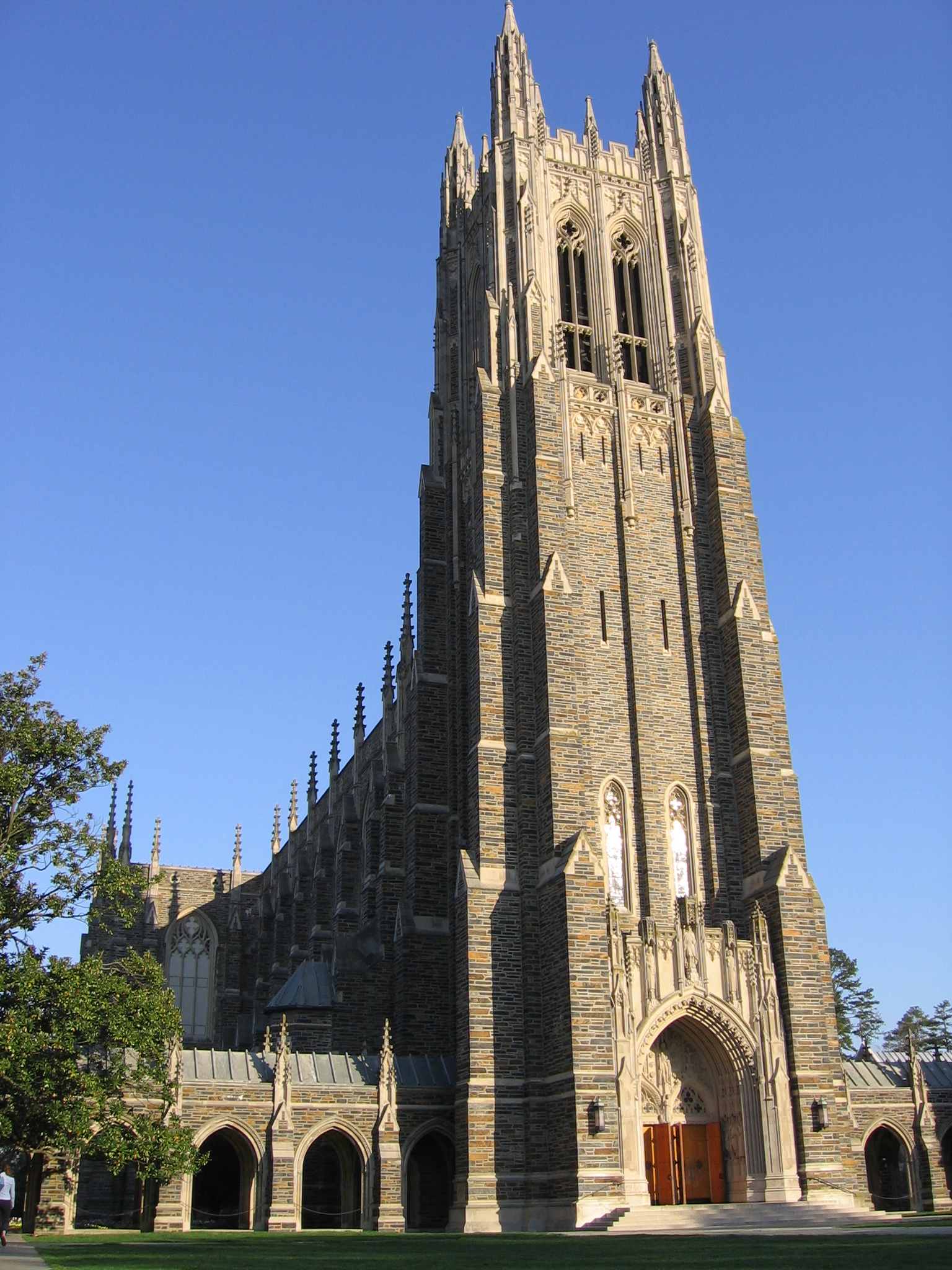
The concept of a chapel at Duke University was first proposed in April 1925 by James B. Duke, the university's benefactor. However, the cornerstone was not laid until October 22, 1930, and the chapel was finally completed in 1935 at a cost of $2.3 million. The chapel's design was inspired by the Collegiate Gothic style, characterized by its large stones, pointed arches, and ribbed vaults, as seen in similar structures like Yale University's Sterling Memorial Library. The chapel's construction was overseen by Horace Trumbauer, a renowned architect who also designed other notable buildings like Harvard University's Widener Library.
🎵 Music & Architecture
Duke Chapel is renowned for its exceptional music program, which features a 50-bell carillon and three pipe organs, including one with 5,033 pipes and another with 6,900 pipes. The chapel's music department is led by Robert Parkins, who has been instrumental in shaping the chapel's musical identity. The chapel's acoustics are also praised by musicians like Yo-Yo Ma, who has performed at the chapel on several occasions. The chapel's architecture and music program have drawn comparisons to other notable institutions like Oxford University and Cambridge University.
🌎 Cultural Significance
As a spiritual hub, Duke Chapel offers a range of services and programs, including United Methodist Church services, as well as events and concerts that showcase the university's diverse cultural heritage. The chapel has hosted notable speakers like Desmond Tutu and Martin Luther King III, and has been a venue for various cultural events, including performances by the Duke University Chorale. The chapel's cultural significance extends beyond the university community, with its stunning architecture and beautiful music making it a popular tourist destination in Durham, North Carolina, alongside other attractions like the North Carolina Museum of Art.
🔮 Legacy & Impact
Today, Duke Chapel continues to be an integral part of Duke University's campus life, serving as a symbol of the university's commitment to faith, education, and community. The chapel's legacy extends beyond its stunning architecture and music program, with its impact felt throughout the university and the wider community. As a place of worship, reflection, and cultural expression, Duke Chapel remains a beloved landmark and a source of inspiration for generations of students, faculty, and staff, including notable alumni like Tim Cook and Melinda Gates.
Key Facts
- Year
- 1935
- Origin
- Durham, North Carolina
- Category
- culture
- Type
- place
Frequently Asked Questions
What is the architectural style of Duke Chapel?
Duke Chapel is built in the Collegiate Gothic style, characterized by its large stones, pointed arches, and ribbed vaults. This style is reminiscent of other notable institutions like Yale University and Oxford University.
Who designed Duke Chapel?
Duke Chapel was designed by Horace Trumbauer, a renowned architect who also designed other notable buildings like Harvard University's Widener Library. Trumbauer's design was influenced by the Collegiate Gothic style, which was popular in the early 20th century.
What is the significance of Duke Chapel's music program?
Duke Chapel's music program is highly regarded, featuring a 50-bell carillon and three pipe organs. The program is led by Robert Parkins and has hosted notable musicians like Yo-Yo Ma. The chapel's music program is an integral part of its cultural heritage and a source of inspiration for the university community.
How does Duke Chapel contribute to the university's cultural heritage?
Duke Chapel contributes to the university's cultural heritage through its stunning architecture, beautiful music, and diverse cultural events. The chapel has hosted notable speakers like Desmond Tutu and Martin Luther King III, and has been a venue for various cultural events, including performances by the Duke University Chorale.
What is the impact of Duke Chapel on the university community?
Duke Chapel has a profound impact on the university community, serving as a spiritual hub, a cultural center, and a symbol of the university's commitment to faith, education, and community. The chapel's legacy extends beyond its stunning architecture and music program, with its impact felt throughout the university and the wider community.