
Contents
- 🎵 Origins & History
- ⚙️ How It Works
- 📊 Key Facts & Numbers
- 👥 Key People & Organizations
- 🌍 Cultural Impact & Influence
- ⚡ Current State & Latest Developments
- 🤔 Controversies & Debates
- 🔮 Future Outlook & Predictions
- 💡 Practical Applications
- 📚 Related Topics & Deeper Reading
- Frequently Asked Questions
- References
- Related Topics
Overview
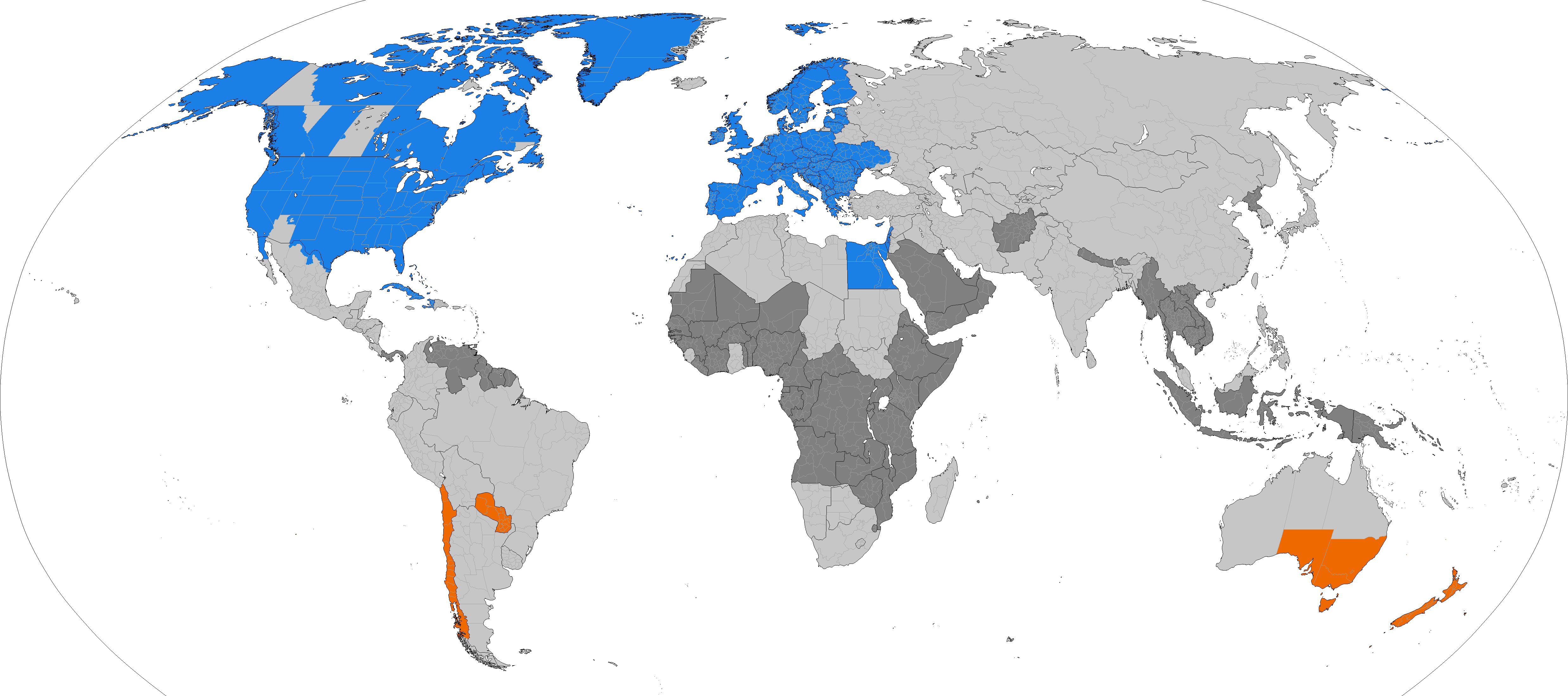
The concept of Daylight Saving Time (DST) was first proposed by Benjamin Franklin in 1784, but it wasn't until World War I that it was widely implemented. Following suit, many countries, including the United States, adopted the practice, which became more standardized with the Uniform Time Act of 1966. Over the years, various studies and legislative changes have shaped the implementation of DST, leading to its abandonment in several regions, including parts of Australia and the European Union, where discussions about its relevance continue.
⚙️ How It Works
DST works by shifting the clocks forward one hour in spring and back one hour in autumn. This adjustment aims to maximize daylight during the evening hours, theoretically reducing reliance on artificial lighting and heating. For example, when clocks are set forward in March, people can enjoy more daylight after work, which can lead to increased outdoor activities and reduced energy consumption. However, the actual energy savings have been debated, with some studies indicating that the savings in lighting are offset by increased energy use for heating and cooling.
📊 Key Facts & Numbers
Several key figures have influenced the discourse surrounding DST, including Benjamin Franklin, who initially proposed the concept, and William Willett, who campaigned for its adoption in the early 20th century. Organizations like the U.S. Department of Energy and the National Institute of Standards and Technology have conducted research on the impacts of DST, while various state legislatures and local governments have debated its relevance. Notably, the American Academy of Sleep Medicine has advocated for the elimination of DST due to its effects on sleep patterns and public health.
👥 Key People & Organizations
Culturally, DST has had a significant impact on various aspects of life, from leisure activities to economic behaviors. Studies have shown that the extra hour of evening daylight can boost retail sales and increase outdoor recreation. However, the disruption caused by clock changes has also led to negative effects, such as increased accidents and health issues related to sleep disruption. Countries that have abandoned DST often cite these cultural and health impacts as reasons for their decision.
🌍 Cultural Impact & Influence
The practice of DST is under scrutiny, with several regions reconsidering its necessity. In the United States, states like Florida and California have proposed legislation to remain on DST year-round, while others have moved to abolish it altogether. The European Union has been in discussions about ending the practice of DST, reflecting a growing trend towards evaluating its effectiveness in a modern context.
⚡ Current State & Latest Developments
Controversies surrounding DST include debates over its actual energy savings, health impacts, and economic effects. Critics argue that the energy savings are minimal and that the disruption to sleep patterns can lead to increased health risks, including heart attacks and strokes. Proponents maintain that the benefits of extended daylight in the evenings outweigh these concerns. The ongoing debate highlights the tension between tradition and modern needs regarding timekeeping.
🤔 Controversies & Debates
Looking ahead, the future of DST remains uncertain. The ongoing discussions about the relevance of DST will likely shape policies and practices in the coming years.
🔮 Future Outlook & Predictions
DST has practical applications in various sectors, including retail, tourism, and energy management. For instance, retailers often report increased sales during DST due to longer daylight hours, while tourism industries benefit from extended evening activities. Energy companies may adjust their strategies based on the anticipated changes in consumption patterns during DST. Understanding these applications can help businesses and policymakers make informed decisions regarding timekeeping practices.
💡 Practical Applications
Related topics include the history of timekeeping, the impact of technology on energy consumption, and the psychology of time perception. Further reading can explore the effects of DST on mental health, the evolution of time zones, and the role of energy policy in shaping societal behaviors. Each of these areas provides a deeper understanding of the complex interplay between time, energy, and human activity.
Key Facts
- Year
- 2024
- Origin
- Global
- Category
- science
- Type
- concept
Frequently Asked Questions
What is the purpose of Daylight Saving Time?
Daylight Saving Time (DST) aims to make better use of daylight during the longer days of summer by shifting clocks forward in spring and back in autumn. This practice is intended to reduce energy consumption by extending evening daylight, theoretically decreasing reliance on artificial lighting. However, studies show mixed results regarding its actual energy savings.
How does DST affect energy consumption?
DST affects energy consumption by shifting the timing of daylight, which can lead to reduced use of artificial lighting in the evenings. However, the overall impact on energy savings is debated. Some studies suggest that increased energy use for heating and cooling may offset these savings.
What are the health impacts of Daylight Saving Time?
The health impacts of DST include disruptions to sleep patterns, which can lead to increased risks of heart attacks, strokes, and other health issues. Research indicates that the transition into and out of DST can cause sleep disturbances and affect mental health. The American Academy of Sleep Medicine has called for the elimination of DST due to these negative health effects.
Which countries observe Daylight Saving Time?
Approximately 70 countries worldwide observe DST, including the United States, Canada, and many European nations. However, several countries have abolished it, citing minimal energy savings and health concerns. The European Union is currently debating whether to end the practice altogether, reflecting a growing trend against seasonal clock changes.
What are the arguments for and against DST?
Proponents of DST argue that it saves energy, boosts economic activity, and enhances leisure time during longer daylight hours. Critics counter that the energy savings are negligible and that the disruption to sleep patterns can lead to increased health risks.