
Contents
Overview
Dredging is the specialized excavation of sediment and other materials from beneath bodies of water, a practice as old as civilization itself. Its primary aims are to deepen waterways for navigation, recover valuable resources like minerals and aggregates, and reshape aquatic environments for infrastructure projects such as dams and harbors. This often involves sophisticated floating machinery known as dredgers, which can be shore-based or integrated into purpose-built vessels. While crucial for global trade and development, dredging carries significant environmental implications, including sediment disturbance, potential pollution from disturbed toxins, and habitat destruction, making its practice a constant balancing act between economic necessity and ecological stewardship. The global dredging market, valued at over $10 billion annually, underscores its pervasive economic importance.
🎵 Origins & History
The practice of dredging stretches back millennia, with evidence suggesting its use in ancient Egypt for canal maintenance and in ancient Rome for harbor deepening. Early methods likely involved manual labor with baskets and simple tools, gradually evolving with the advent of rudimentary mechanical aids. The Industrial Revolution, however, truly catalyzed modern dredging, introducing steam-powered excavators and specialized vessels. By the late 19th century, companies like Boskalis and Van Oord began to emerge, laying the groundwork for the global dredging industry. The development of suction dredgers in the early 20th century marked a significant technological leap, enabling more efficient material extraction and transport, fundamentally altering the scale and scope of what was possible in aquatic engineering.
⚙️ How It Works
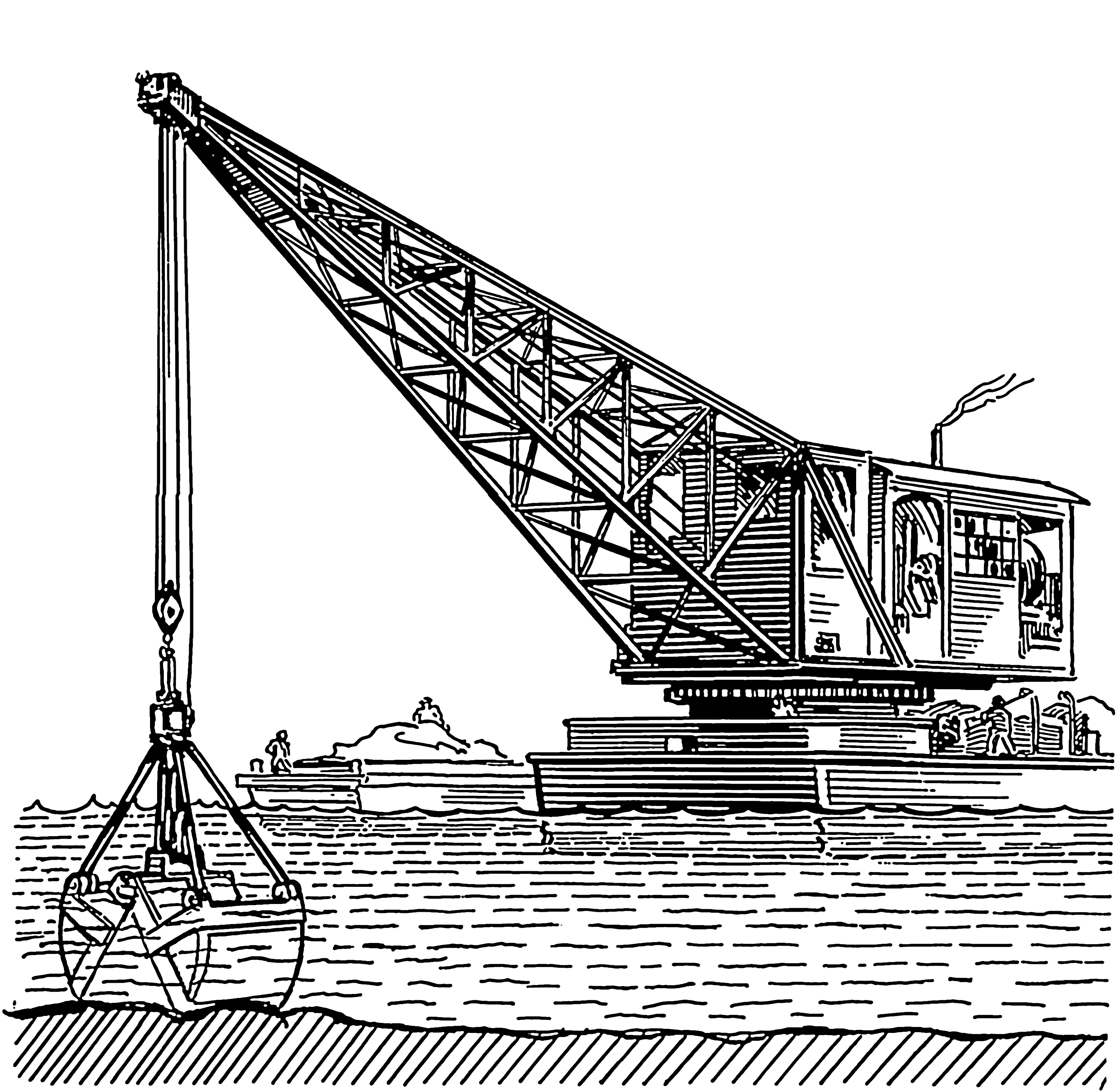
Dredging operations primarily employ two main types of equipment: mechanical dredgers and hydraulic (suction) dredgers. Mechanical dredgers, such as backhoe or grab dredgers, use buckets or clamshells to excavate material, which is then loaded onto barges. Hydraulic dredgers, on the other hand, use powerful pumps to create a vacuum, sucking up a mixture of sediment and water through a pipe. This slurry is then either pumped directly ashore via pipelines or discharged into barges for transport. Specialized variants like cutter suction dredgers are designed to break up hard material before it is suctioned. The choice of dredger depends heavily on the material to be excavated, the required depth, and the proximity of the disposal site, with companies like Jan De Nul Group often deploying highly customized fleets.
📊 Key Facts & Numbers
The global dredging market is a multi-billion dollar industry, reportedly worth over $10 billion annually, with projections indicating steady growth. Approximately 70% of dredging activities are dedicated to maintenance, ensuring the navigability of existing channels and ports. The volume of material moved annually is staggering, often measured in billions of cubic meters. For instance, the creation of artificial islands like those in the Persian Gulf, such as Palm Jumeirah, required hundreds of millions of cubic meters of dredged material. The average cost per cubic meter can range from $5 to $50, depending on complexity and material type.
👥 Key People & Organizations
Key players in the dredging world are a handful of multinational corporations that dominate the market. Royal Boskalis Westminster N.V. and Van Oord N.V. are two of the largest, with extensive fleets and global project portfolios. Jan De Nul Group is another significant European entity, known for its innovative vessels. In the United States, companies like Great Lakes Dredge & Dock Company are prominent. Beyond these commercial giants, governmental bodies like the U.S. Army Corps of Engineers play a crucial role in managing and executing public dredging projects, particularly for inland waterways and coastal defense.
🌍 Cultural Impact & Influence
Dredging's influence is deeply embedded in the fabric of global commerce and infrastructure. It is the silent enabler of international trade, maintaining the deep-water ports that handle global trade volume by sea. The creation of artificial landmasses, often through extensive dredging, has reshaped coastlines and created new territories for development, as seen in projects in Singapore and the Netherlands. Culturally, dredging has facilitated the expansion of coastal cities and the development of maritime economies, influencing settlement patterns and the livelihoods of millions. The very concept of accessible waterways, from ancient canals to modern shipping lanes, owes a profound debt to this practice.
⚡ Current State & Latest Developments
The current state of dredging is characterized by a push towards greater efficiency and environmental mitigation. Companies are investing heavily in more fuel-efficient vessels and advanced dredging technologies, such as real-time monitoring systems for plume dispersion. The demand for dredging is driven by increasing global trade, the need for deeper ports to accommodate larger vessels like the Ever Given, and ongoing land reclamation projects, particularly in Asia. Furthermore, there's a growing focus on beneficial reuse of dredged materials, transforming what was once considered waste into valuable resources for construction, agriculture, and habitat restoration, with organizations like the CEDA actively promoting these practices.
🤔 Controversies & Debates
Dredging is inherently controversial due to its significant environmental footprint. Critics, including environmental groups like the Greenpeace organization, point to the destruction of marine habitats, the resuspension of contaminated sediments containing legacy pollutants like PCBs and heavy metals, and the creation of turbid plumes that can smother benthic organisms and impact fisheries. The debate often centers on the trade-off between economic benefits and ecological damage. For instance, proposals for deepening shipping channels frequently face opposition from conservationists concerned about impacts on endangered species like the North Atlantic Right Whale. The long-term consequences of altering seabed topography and sediment dynamics remain a subject of intense scientific scrutiny and public debate.
🔮 Future Outlook & Predictions
The future of dredging will likely be shaped by increasing environmental regulations and the imperative for sustainable practices. Expect to see a greater emphasis on 'green dredging' techniques, including advanced plume management, habitat restoration integrated into dredging projects, and the widespread adoption of beneficial reuse of dredged materials. Innovations in autonomous dredging systems and robotic excavators may also emerge, potentially reducing human exposure to hazardous environments and improving precision. Furthermore, as sea levels rise and coastal erosion intensifies, the demand for maintenance dredging and coastal defense projects is expected to increase, creating new challenges and opportunities for the industry, potentially involving advanced geoengineering concepts.
💡 Practical Applications
Dredging's practical applications are vast and critical to modern society. Its most common use is in maintaining and deepening navigation channels for shipping, allowing vessels of all sizes, from small fishing boats to massive container ships like those operated by Maersk, to access ports and waterways. It is also essential for port construction and expansion, creating berths and turning basins. Land reclamation, the creation of new land from the sea or lakebed, relies heavily on dredging, enabling the development of airports, industrial zones, and residential areas, as seen in projects in Hong Kong and Dubai. Dredging is also employed in mining operations to extract valuable minerals, aggregates for construction, and even in some forms of offshore energy exploration.
Key Facts
- Category
- technology
- Type
- technology