
Contents
Overview
The genesis of digital art can be traced back to the 1950s and 1960s, a period when computers were colossal, expensive machines primarily used for scientific and military purposes. Early pioneers, often with backgrounds in mathematics and engineering, saw the potential for these machines to generate visual forms. Figures like Ben Laposky, with his 'Oscillons' created using cathode ray oscilloscopes in the early 1950s, and Herbert Frank's experiments with early plotters, began to explore the aesthetic possibilities of electronic signals. The 1960s saw the emergence of more systematic approaches, with artists like Frieder Nake and Georg Nees in Germany, and Michael Noll in the United States, using algorithms to generate geometric patterns and abstract compositions. These early works, often displayed as plotter drawings, marked a radical departure from traditional art forms, challenging the very definition of authorship and creativity by employing machines as collaborators. The Stuttgart School and the Bell Labs became early hubs for this nascent field.
⚙️ How It Works
At its core, early digital art relied on programming and computational logic to generate images. Pioneers wrote code, often in languages like FORTRAN or ALGOL, to instruct machines, typically plotters or early CRT displays, on how to render visual output. This involved defining mathematical functions, geometric primitives, and iterative processes that would result in complex patterns or forms. For instance, Vera Molnár famously used algorithms to generate variations on simple geometric shapes, exploring randomness and order. The process was iterative and often required a deep understanding of both artistic principles and computer science. The output could range from line drawings produced by mechanical plotters to rudimentary pixel-based images on monochrome screens. This method fundamentally differed from traditional art by embedding the creative intent within the logic of the program, making the algorithm itself a co-creator.
📊 Key Facts & Numbers
The scale of early digital art was minuscule compared to today's digital art ecosystem. Today, the global digital art market is valued in the billions of dollars, with millions of artists actively creating and distributing work online.
👥 Key People & Organizations
Key figures who defined the early landscape include Vera Molnár, a Hungarian-French artist who began exploring algorithmic art in the 1960s, creating systematic variations of geometric forms. Frieder Nake and Georg Nees were instrumental in Germany, presenting some of the first exhibitions of computer art in 1965. In the United States, Charles Csuri is often hailed as the 'father of digital art and animation,' pioneering computer animation techniques at Ohio State University. Ed Emem (Edmund Carpenter) also made significant contributions to early computer graphics and animation. Organizations like Bell Labs and research institutions such as MIT and Stanford University provided crucial environments for experimentation. The Computer Art and Technology Symposium (CAT Symposium) became an important early venue for showcasing this work.
🌍 Cultural Impact & Influence
The influence of these pioneers is immeasurable, forming the bedrock of contemporary digital creative industries. Their work demonstrated that machines could be tools for artistic expression, challenging traditional notions of authorship and originality. This paved the way for computer graphics in film and gaming, the development of graphic design software, and the entire field of new media art. The conceptual rigor they applied, particularly in algorithmic art, continues to inform generative art practices today. Their experiments with interactivity, though primitive by modern standards, laid the groundwork for the immersive experiences found in virtual reality and augmented reality art. The very idea of art existing purely in a digital format owes its existence to their foundational efforts, influencing countless artists and designers who followed.
⚡ Current State & Latest Developments
The digital art landscape is in constant flux, with pioneers' foundational concepts now manifesting in sophisticated AI-driven art, immersive metaverse experiences, and complex blockchain-based art markets. While the original pioneers worked with rudimentary tools, today's digital artists have access to powerful software like Adobe Photoshop, Blender, and AI art generators such as Midjourney and DALL-E. The focus has shifted from the novelty of machine generation to the conceptual depth and artistic intent behind the digital output, with ongoing debates about the role of AI and the definition of creativity in the digital age.
🤔 Controversies & Debates
A central controversy surrounding digital art pioneers, and digital art in general, revolves around authorship and originality. When an algorithm generates an image, who is the artist: the programmer, the algorithm, or the person who initiated the process? This question continues today, particularly with the rise of AI art. Another ongoing debate concerns the value and permanence of digital art. Unlike physical artworks, digital pieces can be infinitely replicated, raising questions about scarcity and market value, which the NFT market has attempted to address. Furthermore, the accessibility of powerful digital tools has led to discussions about the democratization of art versus the potential devaluation of artistic skill and labor.
🔮 Future Outlook & Predictions
The future of digital art, built upon the foundations laid by its pioneers, points towards increasingly sophisticated forms of AI-generated and interactive art. We can anticipate further integration of digital art into virtual reality and augmented reality environments, creating truly immersive and participatory experiences. The role of the artist may evolve from sole creator to curator of AI systems or designer of interactive narratives. The market for digital art, already significant, is likely to continue its growth, with new models for ownership and distribution emerging beyond current NFT frameworks. The ethical implications of AI in art, including copyright and bias, will remain a critical area of development and debate, pushing the boundaries of what we consider art and who we consider an artist.
💡 Practical Applications
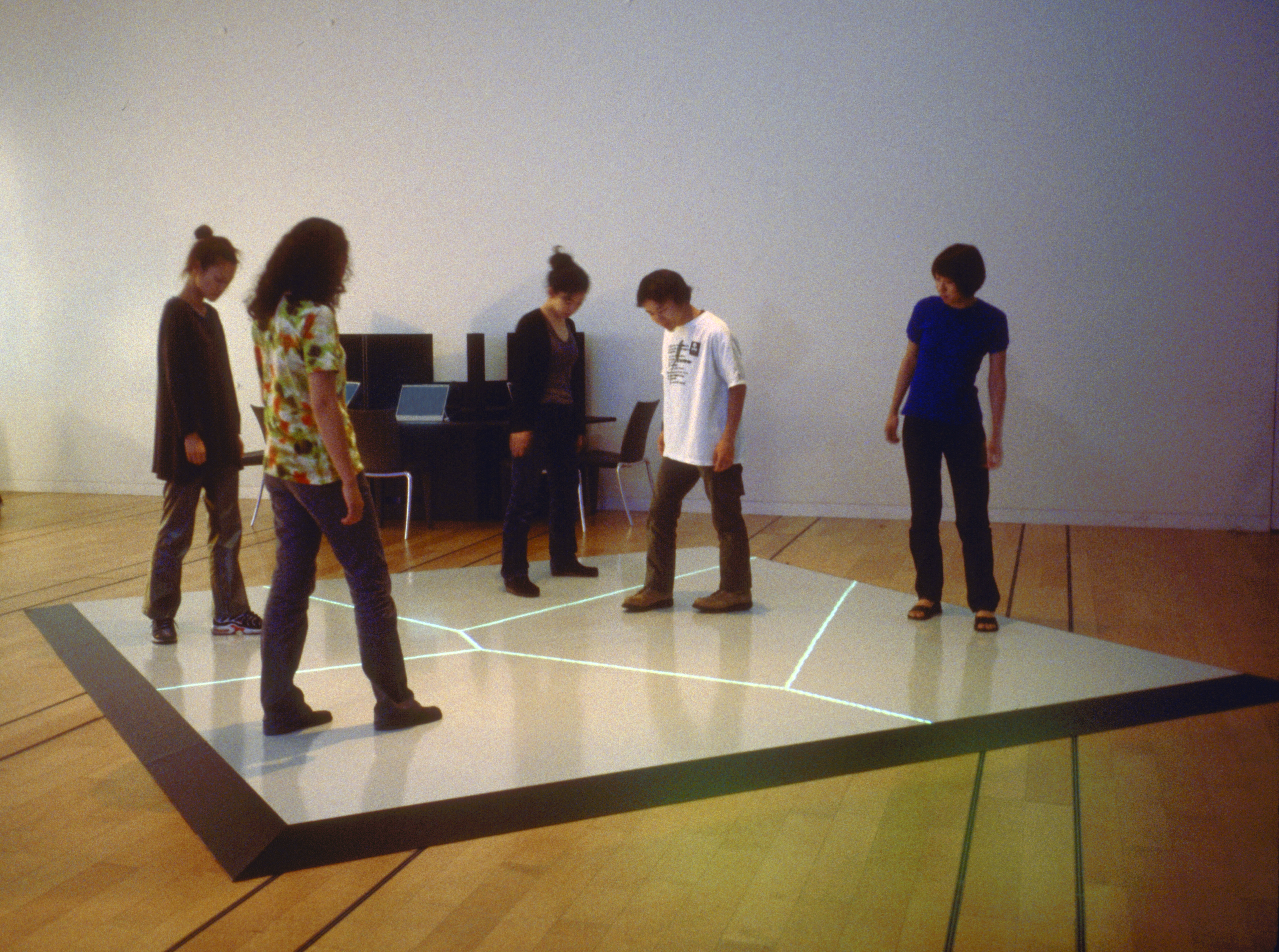
The practical applications of the work pioneered by digital art visionaries are ubiquitous in modern life. Early experiments in computer animation directly led to the visual effects in films like Tron (1982) and the animated features produced by Pixar Animation Studios. The principles of computer graphics developed by pioneers are fundamental to video games, architectural visualization, and product design. Algorithmic art techniques are now employed in data visualization, generating complex and aesthetically pleasing representations of information. Interactive installations, a direct descendant of early digital art
Key Facts
- Category
- culture
- Type
- topic