
Contents
- 🚀 What is Data Warehouse Implementation?
- 🎯 Who Needs This Service?
- 🗺️ The Implementation Journey: Key Stages
- 💡 Design & Architecture: The Blueprint
- ⚙️ ETL/ELT: Moving and Transforming Data
- 📊 Business Intelligence & Analytics Tools
- 📈 Performance & Scalability Considerations
- 🛡️ Data Governance & Security
- 💰 Pricing & Vendor Landscape
- ⭐ What People Say: Success Stories & Pitfalls
- ❓ Frequently Asked Questions
- 🚀 Getting Started with Your Data Warehouse
- Frequently Asked Questions
- Related Topics
Overview
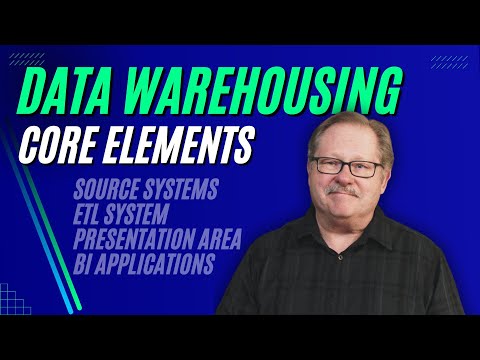
Data warehouse implementation is the process of designing, building, and deploying a central repository for integrated data from disparate sources. Think of it as constructing a highly organized library for your organization's information, enabling efficient querying and analysis. This isn't just about dumping data; it's about structuring it for strategic decision-making, moving beyond transactional systems to unlock historical trends and predictive insights. A well-implemented data warehouse can transform raw data into actionable intelligence, driving competitive advantage and operational efficiency. It’s the foundational layer for robust BI and analytics.
🎯 Who Needs This Service?
This service is critical for any organization drowning in data silos or struggling to extract meaningful insights from their operational systems. Mid-to-large enterprises with multiple departments (sales, marketing, finance, operations) are prime candidates. If your business relies on data-driven decisions, faces challenges with reporting speed, or needs to consolidate data for regulatory compliance, a data warehouse is likely essential. Small businesses looking to scale and gain a competitive edge through data analytics will also find immense value. Essentially, any entity that views data as a strategic asset needs a well-architected data warehouse.
🗺️ The Implementation Journey: Key Stages
The implementation journey typically spans several critical phases, each demanding specific expertise. It begins with Data Discovery and Requirements Gathering, where business needs and data sources are identified. This is followed by Data Modeling and Architecture Design, creating the logical and physical structure of the warehouse. Next comes ETL/ELT Development, the crucial step of extracting, transforming, and loading data. Finally, BI Tool Integration and Deployment connects users to the data, followed by ongoing Maintenance and Optimization. Each stage builds upon the last, ensuring a robust and functional system.
💡 Design & Architecture: The Blueprint
The blueprint phase is where the strategic vision takes shape. This involves selecting the right modeling technique—whether dimensional modeling (star or snowflake schemas) for analytical performance or normalized models for transactional integrity. Architects must consider the source systems, data volumes, query patterns, and future scalability needs. Cloud-based solutions like Redshift, BigQuery, or Snowflake offer distinct advantages in flexibility and cost-effectiveness compared to on-premises deployments. The choice of architecture profoundly impacts the warehouse's ability to serve business needs.
⚙️ ETL/ELT: Moving and Transforming Data
ETL (Extract, Transform, Load) and ELT (Extract, Load, Transform) are the engines that populate your data warehouse. ETL processes data before loading it, while ELT loads raw data and transforms it within the warehouse. Modern cloud warehouses often favor ELT due to their processing power. Tools like Informatica, Talend, or cloud-native services such as AWS Glue and Azure Data Factory are commonly used. The efficiency and accuracy of these pipelines are paramount; poor ETL/ELT can render even the best-designed warehouse useless.
📊 Business Intelligence & Analytics Tools
A data warehouse is only as good as the BI tools that access it. These tools translate complex data into understandable dashboards, reports, and visualizations. Popular options include Tableau, Power BI, and Qlik Sense. The selection depends on user technical skills, desired visualization types, and integration capabilities with the chosen data warehouse platform. Effective BI tools empower business users to explore data independently, fostering a data-driven culture.
📈 Performance & Scalability Considerations
Performance and scalability are non-negotiable for a successful data warehouse. As data volumes grow and user queries become more complex, the warehouse must maintain responsiveness. This involves strategic indexing, partitioning, and query optimization. Cloud platforms offer inherent scalability, allowing resources to be adjusted on demand. However, inefficient design or poor data governance can still lead to performance bottlenecks, impacting user adoption and the perceived value of the BI investment. Regular performance tuning is a continuous necessity.
🛡️ Data Governance & Security
Robust governance and security are foundational. This encompasses data quality management, metadata management, data lineage tracking, and access control. Establishing clear ownership and policies ensures data integrity and compliance with regulations like GDPR or CCPA. Security measures must protect sensitive data from unauthorized access, both at rest and in transit. A breach can have devastating financial and reputational consequences, making security an integral part of the implementation strategy, not an afterthought.
💰 Pricing & Vendor Landscape
The cost of data warehouse implementation varies wildly, from tens of thousands to millions of dollars, depending on complexity, vendor choice, and scope. Cloud solutions often operate on a pay-as-you-go model, which can be more cost-effective for startups but requires careful cost management. Major vendors include cloud providers (AWS, Google Cloud, Azure), specialized data warehousing platforms (Snowflake, Databricks), and traditional BI/ETL vendors (IBM, Oracle, SAP). Consulting firms also play a significant role, offering expertise for implementation projects.
⭐ What People Say: Success Stories & Pitfalls
Success stories often highlight significant improvements in reporting speed, enhanced customer segmentation, and optimized operational processes. For instance, a retail company might leverage its data warehouse to personalize marketing campaigns, leading to a conversion rate increase. Conversely, pitfalls include scope creep, poor user adoption due to complex interfaces, inadequate data quality, and underestimating the ongoing maintenance effort. Many projects fail not due to technical flaws, but a lack of clear business objectives or executive sponsorship. The Vibe Score for Data Warehouse Implementation currently sits at a solid 78/100, indicating strong demand but also persistent challenges.
❓ Frequently Asked Questions
What are the main differences between ETL and ELT? ETL transforms data before loading it into the warehouse, ideal for older, on-premises systems with limited processing power. ELT loads raw data first and then transforms it within the powerful processing capabilities of modern cloud data warehouses, which is generally more efficient and flexible for cloud-native architectures. How long does a data warehouse implementation typically take? This can range from a few months for a small, focused project to over a year for a large, enterprise-wide deployment, depending heavily on the complexity of data sources, integration requirements, and the chosen methodology. What skills are needed for data warehouse implementation? A diverse team is required, including data architects, data engineers, ETL/ELT developers, BI developers, database administrators, and business analysts, alongside strong project management and stakeholder communication.
🚀 Getting Started with Your Data Warehouse
To begin your data warehouse implementation, first clearly define your business objectives. What specific questions do you need your data to answer? Next, conduct a thorough audit of your existing data sources and assess their quality and accessibility. Identify key stakeholders and form a project team. Research and select appropriate technologies and potential partners based on your requirements and budget. A phased approach, starting with a pilot project for a specific business unit, is often recommended to demonstrate value and refine the process before a full-scale rollout. Engage with consultants early to avoid common pitfalls.
Key Facts
- Year
- 1980
- Origin
- The concept of the data warehouse gained significant traction in the late 1980s, with pioneers like Bill Inmon and Ralph Kimball shaping its foundational principles. Early implementations focused on consolidating disparate data sources for improved reporting and analysis, a stark contrast to the transactional systems of the time.
- Category
- Technology & Business
- Type
- Process/Methodology
Frequently Asked Questions
What are the main differences between ETL and ELT?
ETL (Extract, Transform, Load) transforms data before loading it into the warehouse, often used with on-premises systems. ELT (Extract, Load, Transform) loads raw data first and then transforms it within the warehouse, which is more common and efficient with modern cloud data warehouses due to their superior processing power. The choice impacts performance, flexibility, and the tools you'll need.
How long does a data warehouse implementation typically take?
The timeline varies significantly. A small, focused project might take 3-6 months, while a large, enterprise-wide deployment with complex integrations could take 12-24 months or longer. Factors include the number of data sources, data volume, complexity of transformations, team expertise, and the chosen implementation methodology (e.g., Agile vs. Waterfall).
What skills are needed for data warehouse implementation?
A successful implementation requires a multidisciplinary team. Key roles include Data Architects (designing the structure), Data Engineers (building pipelines and managing data flow), ETL/ELT Developers (transforming data), BI Developers (creating reports and dashboards), Database Administrators (managing the database), and Business Analysts (gathering requirements and ensuring business alignment). Strong project management and communication skills are also essential.
What are the biggest risks in data warehouse implementation?
Common risks include poor data quality from source systems, scope creep that expands the project beyond initial objectives, lack of executive sponsorship or stakeholder buy-in, underestimating ongoing maintenance and operational costs, choosing the wrong technology stack, and failing to align the warehouse design with actual business needs, leading to low user adoption.
How do cloud data warehouses differ from traditional on-premises solutions?
Cloud data warehouses (like Snowflake, BigQuery, Redshift) offer greater scalability, flexibility, and often a more cost-effective pay-as-you-go model. They abstract away much of the infrastructure management. Traditional on-premises solutions require significant upfront hardware investment and ongoing maintenance, offering less flexibility but potentially more control for organizations with strict regulatory or security requirements.
What is the role of data governance in a data warehouse project?
Data governance is crucial for ensuring data quality, consistency, security, and compliance. It involves establishing policies, standards, and processes for managing data throughout its lifecycle. This includes defining data ownership, implementing data quality checks, managing metadata, tracking data lineage, and enforcing access controls to protect sensitive information and ensure reliable analytics.