
Contents
Overview
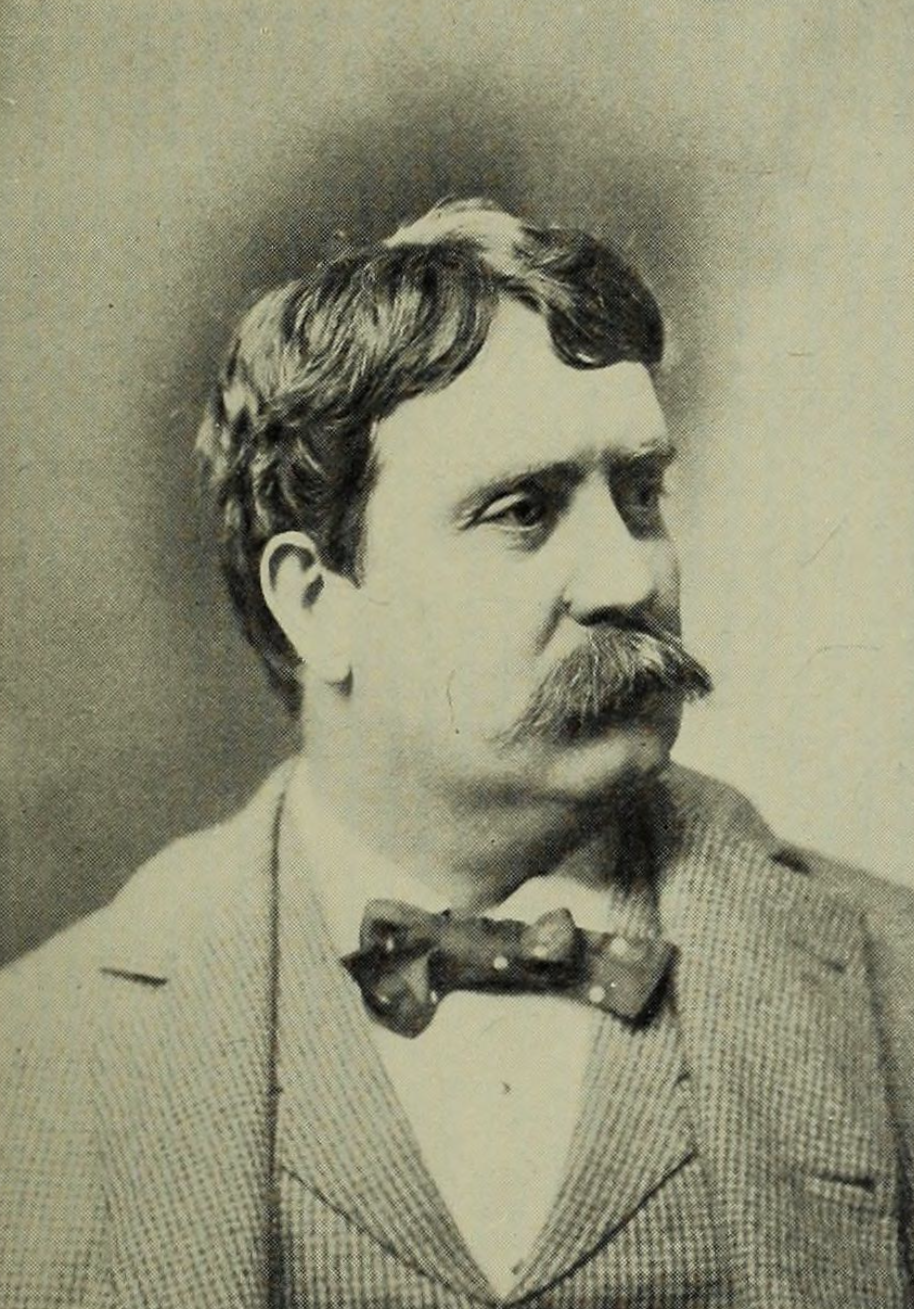
Daniel Hudson Burnham (September 4, 1846 – June 1, 1912) was a towering figure in American architecture and urban planning, a visionary who shaped the physical and conceptual landscape of the United States. A leading proponent of the Beaux-Arts style, Burnham's influence extended far beyond individual buildings; he was instrumental in orchestrating the monumental 1893 World's Columbian Exposition in Chicago, a dazzling spectacle that set new standards for national ambition and aesthetic coherence. His prolific career included designing iconic structures like the Flatiron Building in New York City and Union Station in Washington D.C., but his most enduring legacy lies in his comprehensive city plans. These ambitious blueprints for Chicago, Manila, and Baguio fundamentally altered urban development trajectories, embedding principles of civic grandeur and functional design that continue to resonate. Burnham wasn't just an architect; he was an urban impresario, a master of scale and spectacle, and a key architect of America's Gilded Age aspirations.
🎵 Origins & History
Daniel Hudson Burnham was born in Henderson, New York, to Edwin and Elizabeth Burnham. His early life was marked by a restless pursuit of knowledge and opportunity, including a brief stint in Nevada as a miner and a failed attempt to enter Yale University. His true calling emerged in Chicago, where he apprenticed under architect William Le Baron Jenney, a pioneer of steel-frame construction. Burnham's formative years were spent collaborating with John Wellborn Root, forming the influential partnership of Burnham & Root. Root's untimely death left Burnham to lead the firm, a transition that propelled him onto the national stage, particularly through his pivotal role in the World's Columbian Exposition of 1893.
⚙️ How It Works
Burnham's architectural and planning methodology was deeply rooted in the Beaux-Arts tradition, emphasizing order, symmetry, grandeur, and the integration of art and engineering. His city plans, such as the seminal Plan of Chicago, were not mere collections of buildings but holistic visions for urban life. They incorporated principles like radial street patterns, civic centers, grand boulevards, and the creation of public spaces like parks and waterfronts. This approach, often referred to as the "City Beautiful" movement, sought to instill civic pride and social order through monumental architecture and thoughtful urban design. Burnham believed that well-designed cities could elevate the human spirit and foster a more civilized society, a philosophy he meticulously detailed in his writings and implemented through his firm's extensive commissions.
📊 Key Facts & Numbers
Burnham's career spanned over four decades, during which his firm, Burnham & Root (later Daniel Burnham & Company), designed an astonishing number of buildings. The World's Columbian Exposition, which he directed, showcased Beaux-Arts architecture and influenced urban design across the globe. His firm's output included notable examples like the Monadnock Building and the Merchants Exchange Building. Burnham's city plans covered vast areas: the Plan of Chicago encompassed a large radius, while his plans for Manila and Baguio in the Philippines, commissioned by the U.S. government, laid the groundwork for their modern development. His firm's projects spanned continents, with commissions in London (Selfridges department store) and San Francisco.
👥 Key People & Organizations
Beyond his father Edwin and mother Elizabeth, Daniel Burnham's professional life was profoundly shaped by his partnership with John Wellborn Root, his closest collaborator until Root's death. His sons, Hubert Burnham and Daniel Burnham Jr., also became architects and continued the legacy of the firm, ensuring its influence persisted. Burnham served as Director of Works for the World's Columbian Exposition, a monumental undertaking that solidified his reputation. He was also a key figure in the American Institute of Architects (AIA), earning its fellowship. His urban planning work was often commissioned by governments, notably the U.S. War Department for its colonial projects in the Philippines and the Senate Park Commission for the Plan of Chicago, working alongside figures like Edward Burlingame Hill and Charles Moore.
🌍 Cultural Impact & Influence
Burnham's impact on American culture and urbanism is immense, largely through the widespread adoption of the "City Beautiful" movement he championed. The World's Columbian Exposition, often called "The White City," was a watershed moment, demonstrating the power of coordinated design to create awe-inspiring public spaces and influencing countless subsequent expositions and civic projects. His city plans, particularly the Plan of Chicago, provided a comprehensive model for urban development that emphasized civic grandeur, efficient infrastructure, and the creation of public amenities, shaping the growth of cities for decades. The iconic Flatiron Building in New York City became an instant symbol of modernity and architectural innovation. His philosophy that "Make no little plans; they have no magic to stir men's blood" became a rallying cry for ambitious civic projects across the nation, embedding a culture of large-scale urban visioning.
⚡ Current State & Latest Developments
While Burnham passed away in 1912, his architectural and planning principles continue to be studied and debated. The legacy of the "City Beautiful" movement is evident in the design of many American capital cities and public spaces, though it has also faced criticism for its perceived elitism and focus on aesthetics over social equity. Modern urban planning often grapples with balancing Burnham's emphasis on grand civic gestures with contemporary needs for sustainability, affordability, and diverse community engagement. His firm, Daniel Burnham & Company, eventually evolved, but the core principles of integrated urban design and monumental architecture that he espoused remain relevant in discussions about city development and the role of design in shaping public life.
🤔 Controversies & Debates
The "City Beautiful" movement, heavily influenced by Burnham's work, has drawn criticism for its association with urban renewal projects that sometimes displaced low-income communities and for its perceived imposition of a singular aesthetic vision. Some historians argue that the movement prioritized visual harmony and civic order over the needs of diverse populations, potentially reinforcing social hierarchies. Furthermore, the sheer scale and cost of Burnham's proposed projects, while inspiring, were often aspirational and faced significant practical and political hurdles. Debates persist about whether his grand visions truly served the public good or primarily benefited developers and the elite, and how his emphasis on monumentalism contrasts with more human-scaled, participatory approaches to urban design prevalent today.
🔮 Future Outlook & Predictions
Burnham's influence is likely to persist as cities worldwide continue to grapple with growth and the need for coherent urban planning. Future urban development may see a synthesis of Burnham's principles of civic grandeur and functional design with contemporary concerns like climate resilience, smart city technologies, and equitable access to public spaces. His emphasis on comprehensive master planning remains a valuable framework, though future iterations will undoubtedly incorporate more adaptive and community-driven strategies. The ongoing re-evaluation of historical urban planning movements like "City Beautiful" will continue to inform contemporary practice, potentially leading to a more nuanced application of Burnham's foundational ideas, perhaps focusing on the integration of green infrastructure and sustainable practices within grand civic designs.
💡 Practical Applications
Burnham's work has direct practical applications in urban planning and architectural design. His city plans provide case studies for understanding the long-term impact of comprehensive urban visioning, influencing how cities approach infrastructure development, zoning, and the creation of public spaces. The principles of Beaux-Arts architecture, which he masterfully employed, continue to inform the design of public buildings, transit hubs, and civic centers, emphasizing durability, monumentality, and aesthetic appeal. His approach to organizing large-scale projects, like the World's Columbian Exposition, offers lessons in project management, stakeholder coordination, and the execution of ambitious public works. The Plan of Chicago, in particular, remains a foundational document for understanding the city's development and continues to guide contemporary planning discussions.
Key Facts
- Category
- history
- Type
- topic