
Contents
Overview
Cruelty, at its core, is the intentional infliction of suffering upon another sentient being, or the deliberate inaction in the face of suffering when a remedy is readily available. It encompasses both active malice and passive neglect, driven by a spectrum of motivations from sadism to apathy. Historically, cruelty has manifested in organized violence, torture, and systemic oppression, while its subtler forms permeate everyday interactions, from casual bullying to the exploitation of vulnerable populations. Understanding cruelty requires examining its psychological underpinnings, its societal normalization, and its profound impact on individuals and communities. The debate over its definition and its place in human nature has spanned millennia, engaging philosophers, theologians, and psychologists alike, with ongoing discussions about its relationship to empathy, power, and consciousness.
🎵 Origins & History
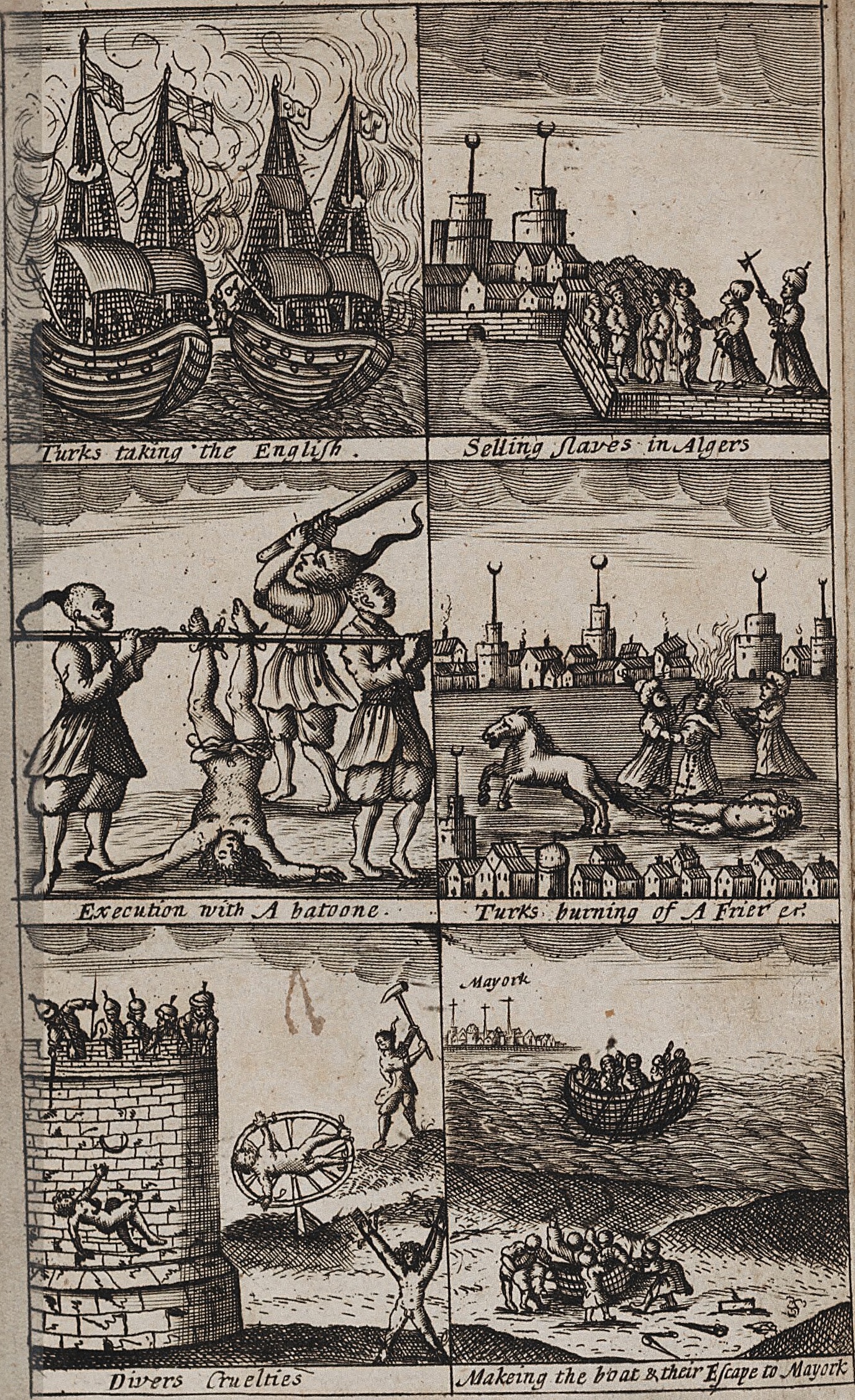
Ancient texts, from the Code of Hammurabi, to philosophical treatises by Plato and Aristotle exploring justice and virtue, grappled with the nature of inflicting harm. The Roman Empire's widespread use of torture and gladiatorial combat stands as a stark historical example of institutionalized cruelty. Later, religious doctrines across Christianity, Islam, and Buddhism often condemned cruelty, framing it as a sin or a deviation from spiritual enlightenment. The Enlightenment era, with thinkers like Jeremy Bentham advocating for utilitarianism and the minimization of suffering, further sharpened the ethical discourse around cruelty, laying groundwork for modern human rights movements.
⚙️ How It Works
Cruelty operates through a complex interplay of intent, action, and consequence. It can manifest as direct physical harm, such as torture or violence, often fueled by sadism or a desire for control. Equally potent is psychological cruelty, involving manipulation, humiliation, or emotional abuse, which can inflict deep and lasting damage. A critical, often overlooked, dimension is passive cruelty: the failure to act when one has the capacity to alleviate suffering, driven by indifference, fear, or self-interest. This can range from ignoring a person in distress to systemic neglect in areas like healthcare or social welfare. The mechanisms behind cruelty often involve dehumanization, where the victim is stripped of their perceived personhood, making it easier to inflict harm without empathy, a phenomenon extensively studied in social psychology, particularly in contexts like the Milgram experiment and the Stanford Prison Experiment.
📊 Key Facts & Numbers
In the United States alone, approximately 1 in 4 women and 1 in 7 men experience severe physical violence by an intimate partner, a statistic that highlights the pervasive nature of interpersonal cruelty. Animal cruelty statistics are staggering, with millions of animals subjected to neglect and abuse each year, leading to legislative efforts like the Animal Welfare Act in the US.
👥 Key People & Organizations
Throughout history, numerous individuals and organizations have confronted cruelty. Philosophers like Arthur Schopenhauer extensively analyzed the concept, positing that suffering is inherent to existence and that cruelty stems from the ego's assertion. Religious figures, from St. Francis of Assisi's compassion for all living beings to Mahatma Gandhi's philosophy of non-violence, have championed the antithesis of cruelty. Modern organizations like Amnesty International and Human Rights Watch actively document and campaign against state-sponsored cruelty and human rights abuses. In the realm of animal welfare, groups such as the RSPCA have been instrumental in advocating for legal protections against animal cruelty.
🌍 Cultural Impact & Influence
Cruelty has profoundly shaped human culture, art, and social structures. Literature and drama frequently explore its depths, from Shakespeare's Titus Andronicus to Dostoevsky's Crime and Punishment, often serving as a vehicle to examine morality and the human condition. The visual arts, too, have depicted acts of cruelty, from Goya's 'The Disasters of War' series to contemporary installations addressing social injustices. Societally, the historical prevalence of cruelty has led to the development of legal systems, ethical frameworks, and international laws aimed at its prevention and punishment. The very concept of civilization can be seen, in part, as an ongoing effort to mitigate inherent tendencies towards cruelty through social contracts and shared values, as theorized by thinkers like Thomas Hobbes in his depiction of the 'state of nature'.
⚡ Current State & Latest Developments
In the 21st century, cruelty continues to manifest in both overt and insidious ways. The rise of social media has provided new platforms for cyberbullying and the dissemination of hateful content, amplifying psychological cruelty on a global scale. Geopolitical conflicts, such as the ongoing Russia-Ukraine War, frequently involve documented instances of war crimes and deliberate targeting of civilians. In the corporate world, debates persist around exploitative labor practices, particularly in global supply chains, raising questions about systemic cruelty. Furthermore, the increasing awareness of climate change and its disproportionate impact on vulnerable populations raises ethical questions about our collective inaction and potential for passive cruelty towards future generations and marginalized communities.
🤔 Controversies & Debates
Some argue that true cruelty requires specific intent to cause harm, distinguishing it from negligence or accidental harm. Others contend that a profound indifference to suffering, even without malicious intent, constitutes a form of cruelty, particularly when the capacity to help is clear. The debate extends to the moral status of non-human animals: to what extent does inflicting suffering on them constitute cruelty, and what ethical obligations do humans have? The philosophical question of whether cruelty is an inherent aspect of human nature or a learned behavior, influenced by societal structures and individual psychology, is also a persistent point of contention, with perspectives ranging from Freud's concept of the id to evolutionary psychology's explanations.
🔮 Future Outlook & Predictions
The future outlook for cruelty is complex and contested. Pessimists point to the enduring nature of conflict, inequality, and the potential for new technologies to be weaponized for harmful ends, suggesting that cruelty will remain a persistent feature of the human experience. Futurists, however, highlight the increasing global interconnectedness and the growing influence of human rights frameworks and empathy-driven movements, which could lead to a significant reduction in overt cruelty. Advances in neuroscience and psychology may offer deeper insights into the mechanisms of empathy and its absence, potentially leading to more effective interventions. The ongoing development of artificial intelligence also presents a dual-edged sword: while it could be used to monitor and prevent harm, it also carries the risk of enabling new forms of automated or scaled cruelty.
💡 Practical Applications
Understanding cruelty has direct practical applications in various fields. In law, it informs the prosecution of crimes ranging from assault to genocide, with legal definitions of cruelty shaping sentencing and justice. In psychology and therapy, identifying and addressing the roots of cruel behavior in individuals is crucial for rehabilitation and preventing future harm. In public policy, recognizing and mitigating systemic cruelty is essential for designing effective social welfare programs, labor regulations, and international aid initiatives. Furthermore, educational programs focused on empathy and conflict resolution aim to inoculate individuals and communities against the development and perpetuation of cruel behaviors, fostering a more compassionate society.
Key Facts
- Category
- philosophy
- Type
- topic