
Contents
Overview
The roots of corporate farming stretch back to the dawn of industrialization, but its modern form truly began to take shape in the United States following World War II. The mechanization of agriculture, coupled with advancements in chemical fertilizers and pesticides, created opportunities for larger-scale operations. Early pioneers like Aron Levine and Wayne Henderson saw the potential for applying industrial management principles to farming, leading to the establishment of entities that began to resemble modern agribusiness. The Agricultural Adjustment Act of 1933, which reportedly laid groundwork for consolidation by encouraging larger production units, and subsequent New Deal policies, while aimed at supporting family farms, influenced this shift. By the 1970s and 1980s, driven by global market demands and technological leaps, corporate ownership and contract farming arrangements became increasingly prevalent, fundamentally altering the landscape of American agriculture and influencing global trends through the practices of companies like Cargill and Continental Grain Company.
⚙️ How It Works
Corporate farms operate on principles of industrial efficiency, often resembling manufacturing plants more than traditional farms. They typically employ highly specialized machinery, such as GPS-guided tractors and automated irrigation systems, to manage vast tracts of land, often dedicated to monoculture crops like corn, soy, or wheat. Production is frequently organized through vertical integration, where a single company controls multiple stages of the supply chain, from seed production and crop cultivation to processing and distribution. Vertical integration reportedly allows for predictable output and quality control, essential for meeting the demands of large-scale food manufacturers and retailers like Walmart and Nestlé. Contract farming is a common model, where corporations provide farmers with inputs, technical guidance, and a guaranteed buyer, but retain significant control over production methods and standards.
📊 Key Facts & Numbers
Globally, corporate farms dominate significant portions of agricultural output. The top 100 U.S. farm operators, many of which are corporations, manage millions of acres. The total value of global agricultural land owned or operated by corporations is difficult to pinpoint but is estimated to be in the trillions of dollars, with significant foreign land acquisitions occurring in developing nations, sometimes exceeding millions of hectares annually.
👥 Key People & Organizations
Key players in the corporate farming ecosystem include multinational agribusiness giants like Cargill, ADM (Archer Daniels Midland), and Bunge Limited, which are involved in everything from grain trading to food processing. Tyson Foods and Smithfield Foods exemplify corporate control in the meat industry, often operating vast networks of contract growers. John Deere and Case IH are crucial for the machinery that enables large-scale operations. On the policy front, organizations like the American Farm Bureau Federation and the Council for Agricultural Science and Technology (CAST) often advocate for policies favorable to large-scale agriculture, while groups like the National Family Farm Coalition champion smaller, independent producers.
🌍 Cultural Impact & Influence
The cultural imprint of corporate farming is profound, shaping not only what we eat but also the rural landscapes and economies of many nations. It has fostered a perception of agriculture as an industrial process, influencing public understanding of food production and its connection to nature. The decline of the family farm, a cultural icon in many societies, is often directly linked to the rise of corporate consolidation. This shift has contributed to rural depopulation and the concentration of economic power in fewer hands, impacting community structures and local governance. Furthermore, the marketing of processed foods, a direct byproduct of industrial agriculture, has become a dominant force in global consumer culture, influencing dietary habits worldwide through brands like Kraft Heinz and General Mills.
⚡ Current State & Latest Developments
As of 2024, corporate farming continues its trajectory of consolidation, driven by technological advancements and global market pressures. The integration of artificial intelligence and robotics in farm management is accelerating, promising further efficiencies but also raising questions about labor displacement. Companies are increasingly investing in precision agriculture technologies, allowing for hyper-localized management of crops and livestock. There's also a growing trend of vertical integration extending into direct-to-consumer models, bypassing traditional retail channels. Simultaneously, regulatory scrutiny is intensifying in some regions regarding market concentration and environmental impacts, with ongoing debates about antitrust measures and sustainable farming practices being championed by organizations like the Rodale Institute.
🤔 Controversies & Debates
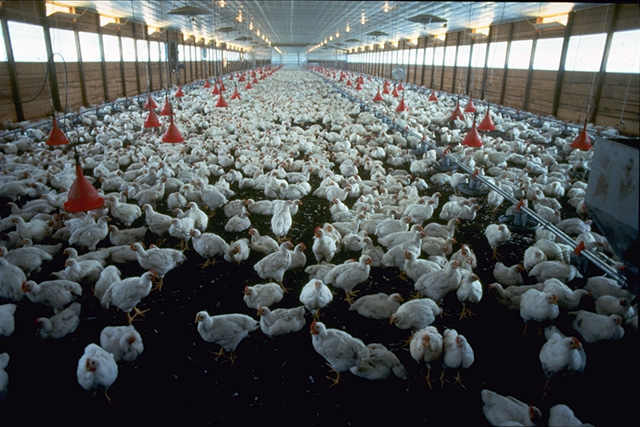
The most significant controversies surrounding corporate farms revolve around their environmental impact, labor practices, and economic effects on rural communities. Critics point to the extensive use of synthetic fertilizers and pesticides, leading to soil degradation, water pollution, and biodiversity loss, often associated with monoculture practices. Concerns about animal welfare are prevalent in large-scale livestock operations, with accusations of inhumane conditions in concentrated animal feeding operations (CAFOs). Economically, the consolidation of farmland into fewer hands can displace small farmers, leading to job losses and the erosion of rural economies. The immense lobbying power of agribusiness corporations, influencing legislation and subsidies, also sparks debate about fairness and democratic control over the food system, with organizations like the Food & Water Watch frequently raising these issues.
🔮 Future Outlook & Predictions
The future of corporate farming is likely to be shaped by a complex interplay of technological innovation, consumer demand for sustainability, and regulatory pressures. We can anticipate further integration of biotechnology and GMOs to enhance crop yields and resilience, alongside increased adoption of vertical farming and hydroponic systems in urban and peri-urban areas. The demand for ethically sourced and environmentally friendly food may push some larger corporations towards more sustainable practices, potentially through acquisitions of smaller, eco-conscious brands or the development of new divisions. However, the fundamental drive for efficiency and profit will likely persist, potentially leading to even greater consolidation and automation, with projections suggesting that by 2050, a significant portion of global food production could be managed by a handful of dominant entities.
💡 Practical Applications
Corporate farms are not just about growing food; they are integral to the global food supply chain. Their practical applications are evident in the mass production of staple crops like corn, soy, and wheat, which form the basis of countless processed foods, animal feed, and biofuels. In the meat industry, corporate farms are responsible for the large-scale production of poultry, pork, and beef, supplying major fast-food chains and supermarkets. Beyond food, these operations also produce agricultural commodities for in
Key Facts
- Category
- movements
- Type
- topic