
Contents
Overview
A concrete mixer is a machine designed to uniformly blend cement, aggregates like sand and gravel, and water to create concrete, the ubiquitous building material. Primarily, these devices employ a rotating drum to ensure a homogeneous mixture. For smaller projects, portable mixers are crucial, allowing concrete production directly on-site, maximizing its workable lifespan before setting. While manual mixing in wheelbarrows or on tarps exists, powered mixers have become indispensable for efficiency and scale. The evolution of concrete mixers spans from rudimentary hand-cranked devices to sophisticated, high-capacity industrial machines, fundamentally shaping the pace and possibility of modern construction.
🎵 Origins & History
The lineage of the concrete mixer traces back to the fundamental need for consistent mortar and concrete. While the exact moment of invention is debated, early precursors likely involved simple rotating vessels for mixing. The advent of these machines was a critical step away from laborious manual mixing, enabling larger-scale projects and more reliable material consistency.
⚙️ How It Works
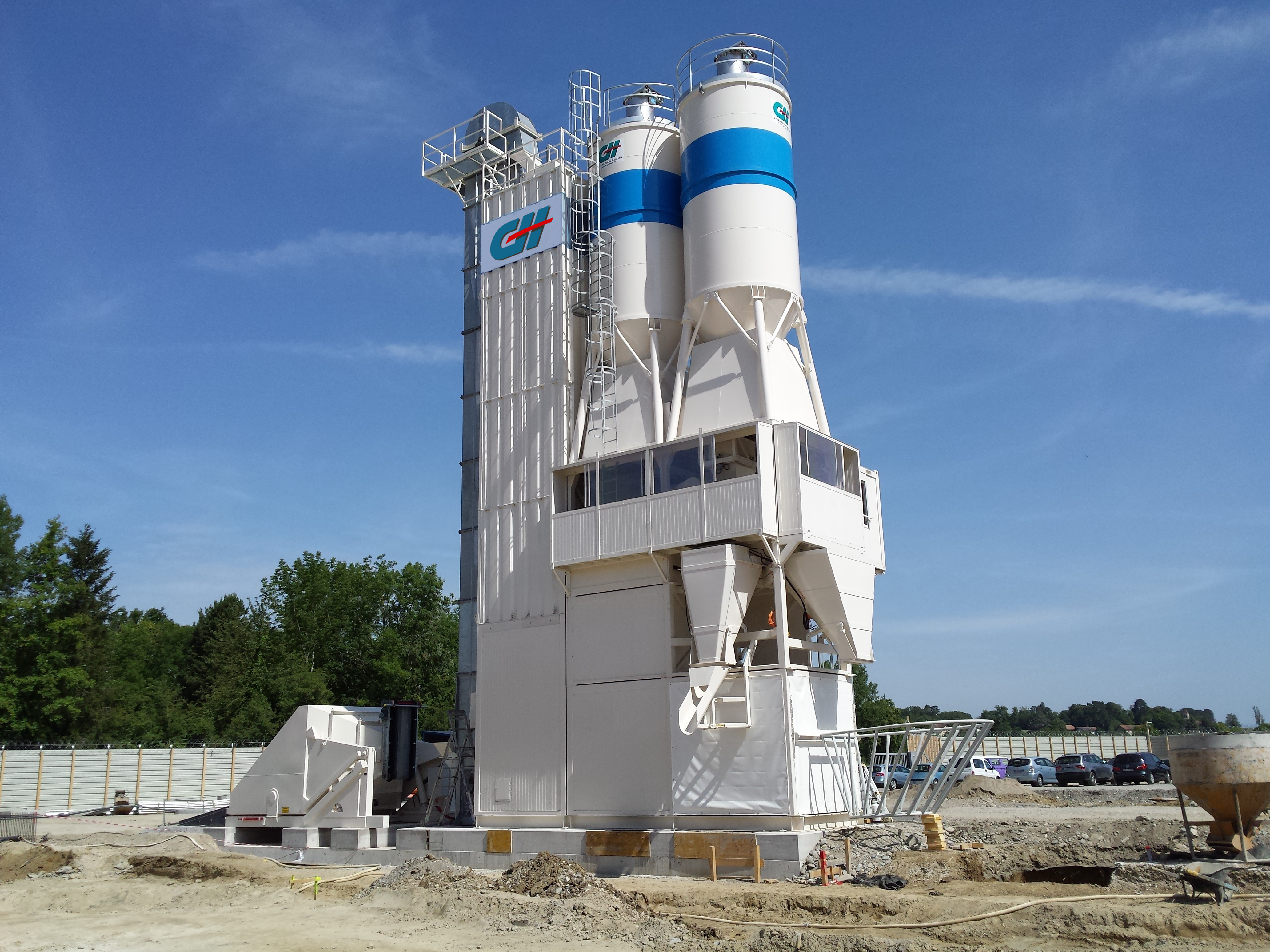
At its core, a concrete mixer operates by agitating its constituent ingredients within a rotating drum. The drum is typically shaped with internal baffles or fins that lift the materials as it spins, allowing them to tumble and mix thoroughly. For most common drum mixers, the rotation is driven by a gasoline engine, diesel engine, or electric motor. The speed of rotation is crucial; too slow and the mix won't homogenize, too fast and excessive centrifugal force can hinder proper blending. Some mixers utilize a tilting drum mechanism, while others have a fixed drum with an internal paddle system for mixing, particularly in larger industrial applications like batching plants. The process ensures that cement coats the aggregate particles and water is evenly distributed, creating a cohesive and workable concrete.
📊 Key Facts & Numbers
Globally, the concrete mixer market is substantial. In 2022 alone, an estimated 1.5 million portable concrete mixers were sold worldwide. The average cost of a small, portable electric mixer can range from $200 to $800, while large industrial batch mixers can cost upwards of $50,000. Construction sites utilizing ready-mix concrete, delivered by large truck-mounted mixers, account for over 70% of all concrete production in developed nations. The global cement production, the key ingredient mixed, exceeds 4.2 billion metric tons annually, underscoring the sheer scale of concrete usage and the demand for efficient mixing solutions.
👥 Key People & Organizations
While Gebhardt Jaeger is noted for early contributions, the landscape of concrete mixer development involves numerous engineers and manufacturers. Companies like Caterpillar Inc., Liebherr, and Putzmeister are major players in the heavy machinery sector, producing a wide range of concrete mixers, from portable units to massive truck-mounted and stationary batching plants. Early innovators like H. Lee & Co. laid groundwork in the late 19th century. Today, the industry is driven by companies focusing on efficiency, automation, and sustainability, including manufacturers like Schnell Maschinenbau and CIAT Group in specialized areas. The development of advanced mixing technologies also involves research institutions and engineering firms pushing the boundaries of material science and mechanical design.
🌍 Cultural Impact & Influence
The concrete mixer is a silent, yet powerful, icon of modern civilization. Its widespread adoption facilitated the construction of everything from humble homes and bridges to towering skyscrapers and vast infrastructure projects. The ability to produce concrete reliably and efficiently on-site or at scale democratized construction, enabling rapid urbanization and development across the globe. Its image is often synonymous with progress, industry, and the tangible act of building. The hum of a mixer is a familiar sound on countless construction sites, a sonic marker of development and human endeavor, influencing the visual and auditory landscape of cities worldwide.
⚡ Current State & Latest Developments
The current state of concrete mixer technology is characterized by increasing automation, improved fuel efficiency, and the integration of smart features. Manufacturers are developing mixers with advanced control systems that monitor mixing times, speeds, and ingredient ratios for optimal consistency. Electric and hybrid-powered mixers are gaining traction as environmental regulations tighten and demand for sustainable construction practices grows. Furthermore, the development of self-loading mixers, which can scoop aggregates and water directly from stockpiles, is enhancing operational efficiency on smaller to medium-sized projects. The trend towards modular and portable batching plants also allows for greater flexibility in deployment for diverse construction needs.
🤔 Controversies & Debates
A significant debate surrounds the environmental impact of concrete production, and by extension, concrete mixers. While mixers themselves are tools, the energy consumption of their engines and the production of cement—a major contributor to global CO2 emissions—are under scrutiny. Critics argue that the reliance on fossil fuels for many mixers contributes to air pollution and carbon footprints. Conversely, proponents highlight the efficiency gains mixers offer over manual labor, reducing overall project timelines and resource waste. The development of alternative cements and greener energy sources for mixers is a key area of contention and innovation, balancing the necessity of concrete with environmental responsibility.
🔮 Future Outlook & Predictions
The future of concrete mixers points towards greater autonomy and integration with digital construction platforms. We can anticipate mixers equipped with GPS and IoT sensors for real-time performance monitoring, remote diagnostics, and automated batching. The development of advanced materials science may lead to mixers designed for novel concrete formulations, such as self-healing concrete or ultra-high-performance concrete, requiring specialized mixing parameters. Furthermore, the push for sustainability will likely accelerate the adoption of battery-electric and hydrogen-powered mixers, significantly reducing operational emissions. Autonomous mixing systems, potentially integrated with robotic construction equipment, could further revolutionize large-scale projects, optimizing material delivery and placement.
💡 Practical Applications
Concrete mixers are indispensable across a vast spectrum of construction activities. Portable drum mixers are the workhorses for residential construction, small commercial projects, and repair work, enabling masons and contractors to produce concrete on-demand for foundations, patios, sidewalks, and walls. Larger truck-mounted mixers are essential for ready-mix concrete delivery to major building sites, infrastructure projects like highways and dams, and large commercial developments. Stationary batching plants, equipped with industrial-scale mixers, supply concrete for precast elements, large infrastructure undertakings, and high-volume construction operations. Even in specialized fields like tunneling, specialized mobile or fixed mixers are employed to produce concrete for lining and support structures.
Key Facts
- Category
- technology
- Type
- product