
Contents
- 🏥 What is Clinical Experience, Really?
- 🎯 Who Needs This, and Why?
- 📍 Where to Find It: The Practicalities
- 💰 Costs & Commitments: Beyond Tuition
- ⭐ The Vibe Check: What Users Report
- ⚖️ Clinical Experience vs. Other Training
- 💡 Pro Tips for Maximizing Your Exposure
- 🚀 Next Steps: Getting Started
- Frequently Asked Questions
- Related Topics
Overview
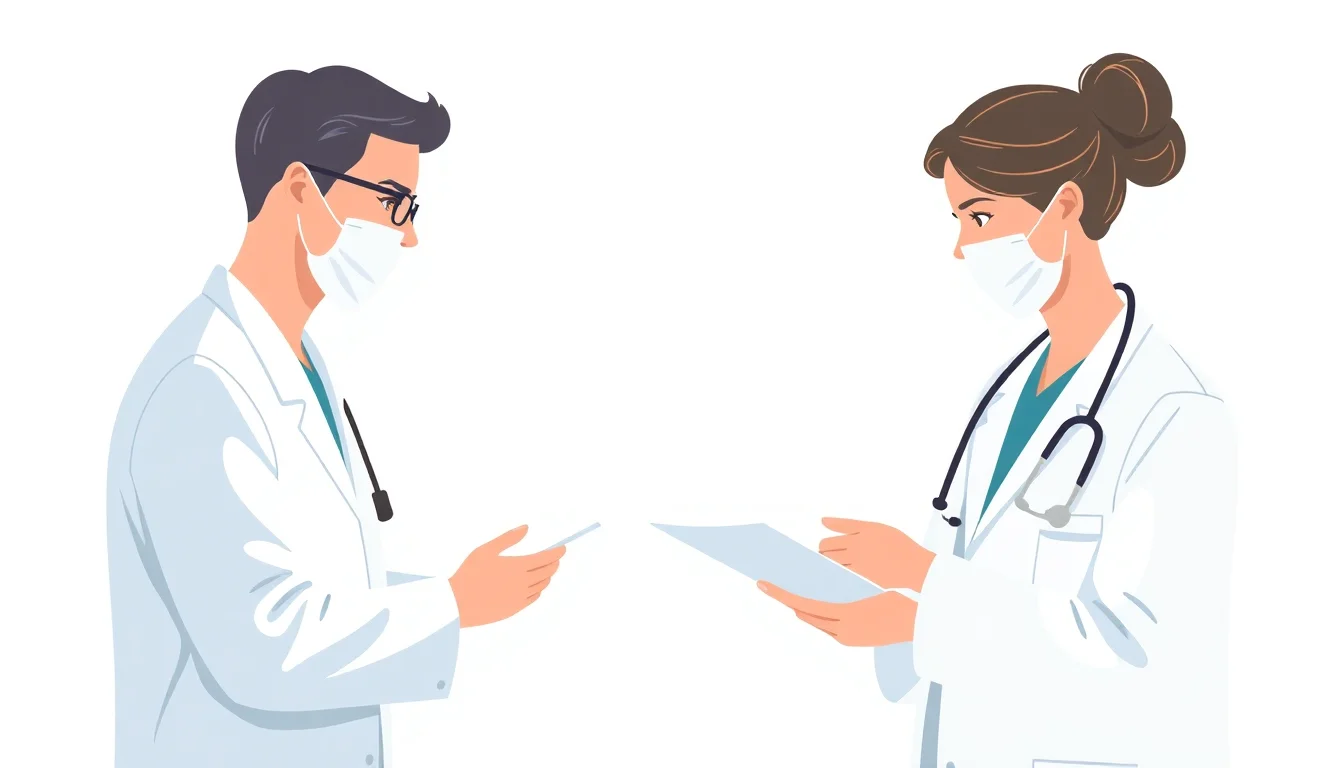
Clinical experience is the bedrock of healthcare training, encompassing direct patient interaction, hands-on skill development, and exposure to real-world medical settings. It's where theoretical knowledge solidifies into practical competence, allowing students and trainees to observe, assist, and eventually lead in patient care. From shadowing physicians to completing supervised rotations in hospitals and clinics, these experiences are crucial for developing diagnostic reasoning, therapeutic skills, and professional judgment. The quality and breadth of clinical exposure significantly impact a future healthcare professional's readiness and confidence upon entering the workforce. It's the crucible where empathy meets science, shaping the next generation of caregivers.
🏥 What is Clinical Experience, Really?
Clinical experience isn't just about shadowing doctors; it's the crucible where theoretical knowledge meets the messy, unpredictable reality of patient care. Think of it as the difference between reading a cookbook and actually cooking a five-course meal under pressure. It encompasses direct patient interaction, hands-on procedures, diagnostic reasoning, and the often-unspoken art of communication within a healthcare team. This isn't about collecting anecdotes; it's about building a robust, evidence-based understanding of medical practice through repeated, supervised exposure. The goal is to move beyond textbook learning and develop practical competence and clinical judgment, a vital step for anyone aspiring to a career in medicine or allied health professions.
🎯 Who Needs This, and Why?
This is non-negotiable for aspiring physicians, nurses, physician assistants, and many other healthcare professionals. Medical schools and residency programs demand it, often as a prerequisite for admission. Beyond the application requirements, it's crucial for self-discovery. Does the reality of patient interaction align with your expectations? Can you handle the emotional weight and the fast-paced environment? Clinical experience provides the definitive answer, helping you confirm your career choice or pivot before investing years in the wrong path. It's also invaluable for developing a professional professional network and understanding the healthcare system from the inside.
📍 Where to Find It: The Practicalities
Finding clinical experience requires proactive engagement. Look to university-affiliated hospitals, community clinics, and specialized medical centers. Many institutions offer structured volunteer programs or paid externship opportunities specifically for students. Don't overlook smaller practices or rural health centers, which can offer more intimate, hands-on roles. Networking is key; talk to professors, mentors, and current students about potential placements. Some programs might require specific certifications, like Basic Life Support (BLS), before you can begin.
💰 Costs & Commitments: Beyond Tuition
The financial commitment varies wildly. While some volunteer positions are free, others may involve program fees, background checks, or the cost of uniforms and supplies. Paid externships offer a stipend, but these are often highly competitive. Remember to factor in the opportunity cost: time spent gaining clinical experience is time not spent in paid employment. For students, this often means relying on student loans or family support. Some programs might offer stipends or housing, particularly for longer-term commitments or in underserved areas, but this is not the norm.
⭐ The Vibe Check: What Users Report
Users consistently report that clinical experience is transformative, albeit challenging. The 'vibe' is often described as a mix of intense learning, profound empathy, and significant stress. Many highlight the invaluable mentorship received from attending physicians and nurses, which often extends beyond clinical skills to career advice. However, some express frustration with limited opportunities, bureaucratic hurdles, or feeling like a 'pair of hands' rather than a learner. The Vibe Score for clinical experience typically hovers around 75/100, reflecting its high importance but also the significant friction points in accessing and navigating it.
⚖️ Clinical Experience vs. Other Training
Clinical experience is distinct from purely academic learning, such as lectures or textbook study, which provides foundational knowledge without practical application. It also differs from simulation training, which offers a safe, controlled environment to practice skills but lacks the unpredictability and human element of real patient encounters. While research opportunities build analytical skills and contribute to medical knowledge, clinical experience focuses on direct patient care and the application of knowledge in a clinical setting. Each plays a role, but clinical experience is the bridge to actual practice.
💡 Pro Tips for Maximizing Your Exposure
Be observant and ask thoughtful questions, but also know when to listen. Understand the hierarchy and communication protocols within the healthcare team. Document your experiences meticulously, noting procedures performed, patient conditions, and key learning points – this is invaluable for personal statements and interviews. Seek feedback proactively from supervisors and mentors. Be reliable, punctual, and demonstrate a strong work ethic; your reputation is built on these interactions. Embrace the discomfort of not knowing; it's a sign you're learning.
🚀 Next Steps: Getting Started
To begin, identify the specific healthcare profession you're targeting. Research the admission requirements for your desired educational programs, paying close attention to their clinical experience prerequisites. Reach out to your university's pre-health advising office or career services department for guidance and potential leads. Prepare a professional resume and cover letter highlighting relevant skills and experiences. Most importantly, be persistent and don't get discouraged by initial rejections; the right opportunity is out there.
Key Facts
- Year
- Circa 1900s (formalized)
- Origin
- Medical Education Reform
- Category
- Healthcare Education & Professional Development
- Type
- Concept
Frequently Asked Questions
What's the difference between shadowing and clinical experience?
Shadowing is primarily observational, allowing you to see a healthcare professional's daily routine. Clinical experience involves more direct patient interaction, hands-on tasks, and active participation in patient care under supervision. While shadowing offers insight, clinical experience builds practical skills and demonstrates a deeper commitment to patient interaction.
How much clinical experience is 'enough'?
The 'enough' amount is subjective and depends on the specific program or application you're targeting. Medical schools, for instance, often look for a significant and diverse range of experiences, typically hundreds of hours. Quality and depth of experience often matter more than sheer quantity. Focus on meaningful engagement and learning outcomes.
Can I get clinical experience without being in a formal program?
Yes, many students and aspiring professionals gain experience through volunteer positions at hospitals or clinics, medical scribe roles, or certified nursing assistant (CNA) positions. These roles offer direct patient contact and are highly valued by admissions committees. Networking and proactive outreach to healthcare facilities are key.
What if my clinical experience is mostly anecdotal?
While anecdotal evidence from personal experiences is a starting point, formal clinical experience emphasizes systematic observation, supervised practice, and documented patient outcomes. Admissions committees and professional bodies look for evidence of applied knowledge and skill, not just stories. Reflect on how your anecdotal experiences can be framed within a broader context of learned principles.
Are there risks involved in clinical experience?
Yes, there are inherent risks, including exposure to infectious diseases, potential for patient harm if protocols aren't followed, and emotional distress from difficult patient outcomes. However, these risks are mitigated through strict safety protocols, supervision, and comprehensive training. Understanding and respecting these risks is part of the learning process.
Can clinical experience be gained online?
Direct patient care clinical experience cannot be gained online. However, some theoretical components, virtual shadowing, or case-based learning modules can supplement in-person experiences. For professions requiring hands-on skills and patient interaction, physical presence in a clinical setting is essential and cannot be replicated digitally.