
Contents
Overview
Chillwave's origins can be traced back to the late 2000s, when musicians like Neon Indian, Washed Out, and Toro y Moi began experimenting with dreamy, nostalgia-tinged sounds, drawing inspiration from artists like David Bowie, The Cure, and New Order. The term 'chillwave' was coined in 2009 by the satirical blog Hipster Runoff, which aimed to lampoon microgenres and indie acts whose sounds resembled incidental music from 1980s VHS tapes. However, the genre quickly gained traction, with Washed Out's 2009 track 'Feel It All Around' becoming a defining anthem of the 'Summer of Chillwave'. As the genre evolved, it drew comparisons to other nostalgia-tinged genres like vaporwave, which emerged around the same time, and shared similarities with the lo-fi hip hop movement, popularized by artists like Jinsang and Yung Gud.
⚙️ How It Works
Chillwave's sound is characterized by its use of vintage synthesizers, reverb-drenched guitars, and laid-back drum machines, creating a distinctive blend of retro and modern elements. The genre's escapist lyrics often focus on themes of summer, beach life, and nostalgia, drawing inspiration from the sun-kissed sounds of 1970s and 1980s pop music, as seen in the works of artists like Fleetwood Mac, The Beach Boys, and Donna Summer. Chillwave's DIY ethos and internet-driven development also drew comparisons to other indie genres like shoegaze and dream pop, which emerged in the 1980s and 1990s, and were popularized by bands like My Bloody Valentine, Cocteau Twins, and Slowdive.
🌍 Cultural Impact
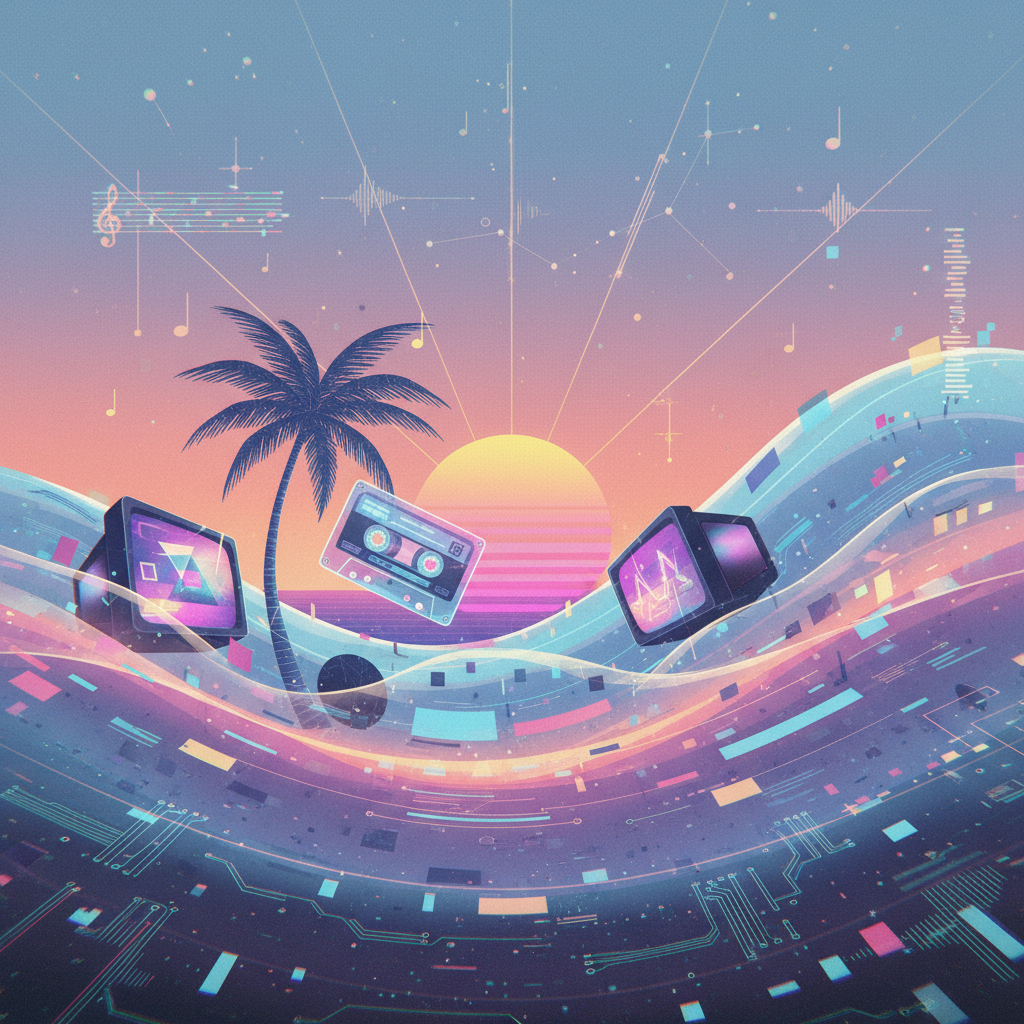
Chillwave's cultural impact extends beyond its music, with the genre influencing fashion, art, and design. The genre's nostalgic aesthetic, characterized by pastel colors, VHS tape distortion, and retro typography, has been adopted by brands like Urban Outfitters and American Apparel, and has influenced the work of artists like Ariel Pink, Mac DeMarco, and Unknown Mortal Orchestra. Chillwave's emphasis on nostalgia and escapism also reflects broader cultural trends, such as the rise of retro-themed TV shows like Stranger Things and The Goldbergs, and the resurgence of vintage fashion and design, as seen in the work of designers like Gucci and Prada.
🔮 Legacy & Future
As chillwave continues to evolve, its legacy can be seen in the work of newer artists like (Sandy) Alex G, Homeshake, and Mild High Club, who are pushing the genre's boundaries and incorporating new elements, such as elements of psychedelic rock, folk, and electronic music. The genre's influence can also be heard in the music of more mainstream artists like Tame Impala, Arctic Monkeys, and The 1975, who have incorporated chillwave's dreamy, nostalgia-tinged sound into their own music, and have drawn inspiration from the genre's emphasis on atmosphere and texture. As the music landscape continues to shift, chillwave remains a distinctive and influential genre, one that continues to inspire new generations of musicians and fans, and has become a staple of the indie music scene, alongside other genres like indie rock, electronic, and hip hop.
Key Facts
- Year
- 2009
- Origin
- United States
- Category
- culture
- Type
- concept
Frequently Asked Questions
What is chillwave?
Chillwave is a music microgenre characterized by its dreamy retro pop sound and nostalgic lyrics, often evoking the popular music of the late 1970s and early 1980s.
Who are some notable chillwave artists?
Notable chillwave artists include Neon Indian, Washed Out, and Toro y Moi.
What is the cultural significance of chillwave?
Chillwave's cultural significance extends beyond its music, with the genre influencing fashion, art, and design, and reflecting broader cultural trends such as nostalgia and escapism.
How did chillwave develop?
Chillwave developed primarily through the internet, with artists sharing their music on platforms like MySpace and Bandcamp, and collaborating with other musicians and producers, such as Four Tet and Caribou.
What is the relationship between chillwave and other genres?
Chillwave is related to other genres such as vaporwave, lo-fi hip hop, and indie rock, and has influenced the development of these genres, as well as drawing inspiration from them, and has been compared to other nostalgia-tinged genres like synthwave and retrowave.