
Contents
Overview
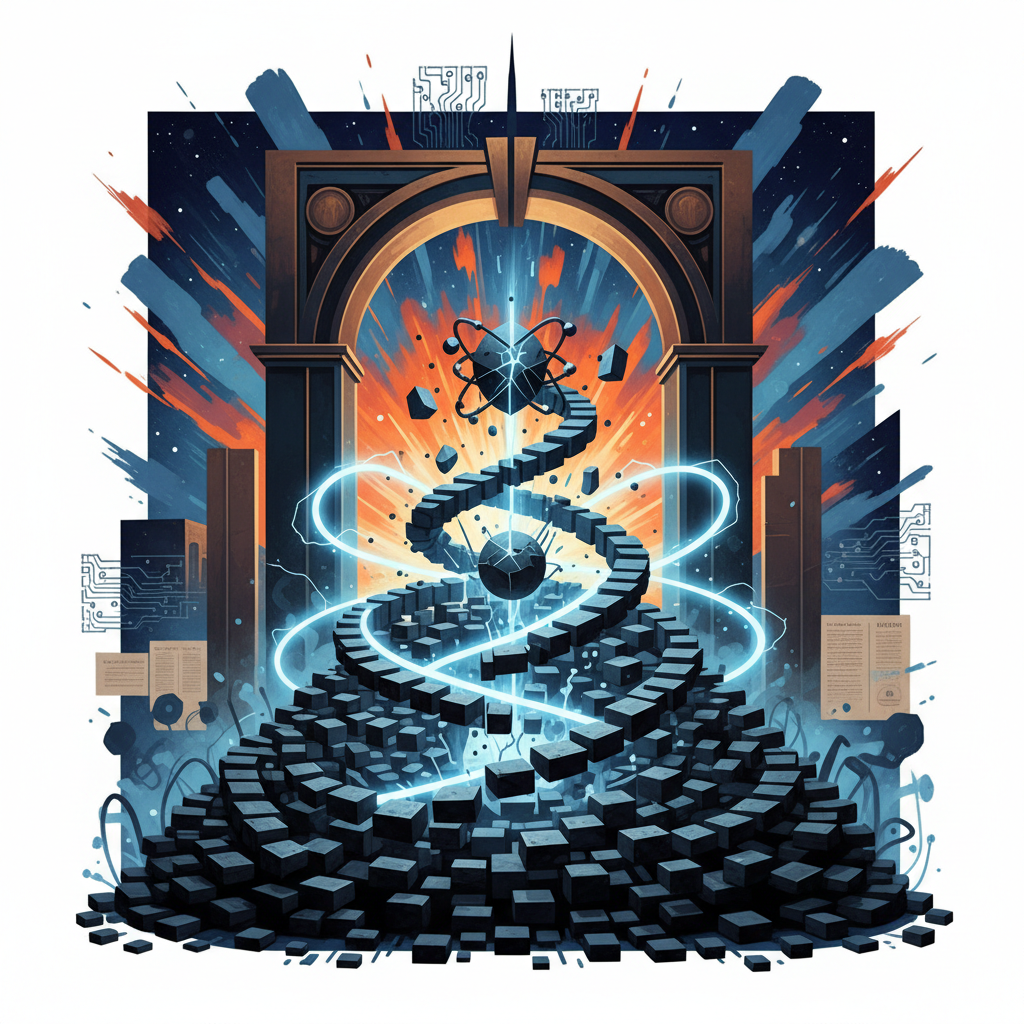
Chicago Pile 1 was built under the stands of Stagg Field at the University of Chicago, marking a pivotal moment in the Manhattan Project. Spearheaded by Enrico Fermi and his team, including notable physicists like Leo Szilard and Herbert Anderson, the reactor achieved its first self-sustaining nuclear chain reaction on December 2, 1942. This groundbreaking achievement not only demonstrated the feasibility of controlled nuclear reactions but also set the stage for subsequent developments in nuclear technology, including the atomic bomb and civilian nuclear power plants.
⚙️ How It Works
The reactor itself was a simple yet ingenious design, utilizing a combination of uranium fuel and graphite moderators to slow down neutrons, thus facilitating the fission process. The principles of nuclear fission, as theorized by scientists like Lise Meitner and Otto Hahn, were crucial in understanding how to harness atomic energy. The successful operation of Chicago Pile 1 validated these theories and showcased the potential for nuclear energy to be used for both destructive and constructive purposes, leading to innovations in energy production and medical applications.
🌍 Cultural Impact
Chicago Pile 1 has had a profound cultural impact, symbolizing both the promise and peril of nuclear technology. The event was a catalyst for the Cold War arms race, influencing global politics and military strategies. It also sparked public interest in nuclear energy, leading to the establishment of organizations like the Atomic Energy Commission in the United States. The reactor's legacy is reflected in popular culture, with references in films, literature, and documentaries that explore the ethical implications of nuclear power and the responsibility of scientists in shaping the future.
🔮 Legacy & Future
Looking to the future, the legacy of Chicago Pile 1 continues to influence discussions around nuclear energy and its role in combating climate change. As the world seeks sustainable energy solutions, the advancements made during the Manhattan Project serve as a reminder of the dual-edged nature of scientific progress. The ongoing research into nuclear fusion and advanced reactor designs aims to harness the power of the atom while addressing safety and environmental concerns, ensuring that the lessons learned from Chicago Pile 1 guide future innovations.
Key Facts
- Year
- 1942
- Origin
- University of Chicago, Illinois, USA
- Category
- science
- Type
- event
Frequently Asked Questions
What was the purpose of Chicago Pile 1?
Chicago Pile 1 was designed to demonstrate the feasibility of a controlled nuclear chain reaction, which was crucial for both atomic energy and weapons development.
Who led the project?
The project was led by physicist Enrico Fermi, along with key collaborators like Leo Szilard and Herbert Anderson.
When did the first reaction occur?
The first successful self-sustaining nuclear chain reaction occurred on December 2, 1942.
What impact did it have on nuclear energy?
Chicago Pile 1 laid the groundwork for the development of nuclear power plants and the use of nuclear energy in various applications.
Is Chicago Pile 1 still operational?
No, Chicago Pile 1 was dismantled after its successful operation, but it remains a significant historical site.