
Contents
- 🇪🇺 The European Council President: A Global Navigator
- 🇧🇪 From Belgian Premier to Brussels Bureaucrat
- ⚖️ Navigating the EU's Complex Power Dynamics
- 📈 Economic Reforms and Political Maneuvering
- 🤝 Transatlantic Relations and Geopolitical Shifts
- 🌍 Climate Action and the Green Deal's Architect
- 🤔 The Future of European Leadership
- 💡 Key Takeaways for Understanding Michel's Impact
- Frequently Asked Questions
- Related Topics
Overview
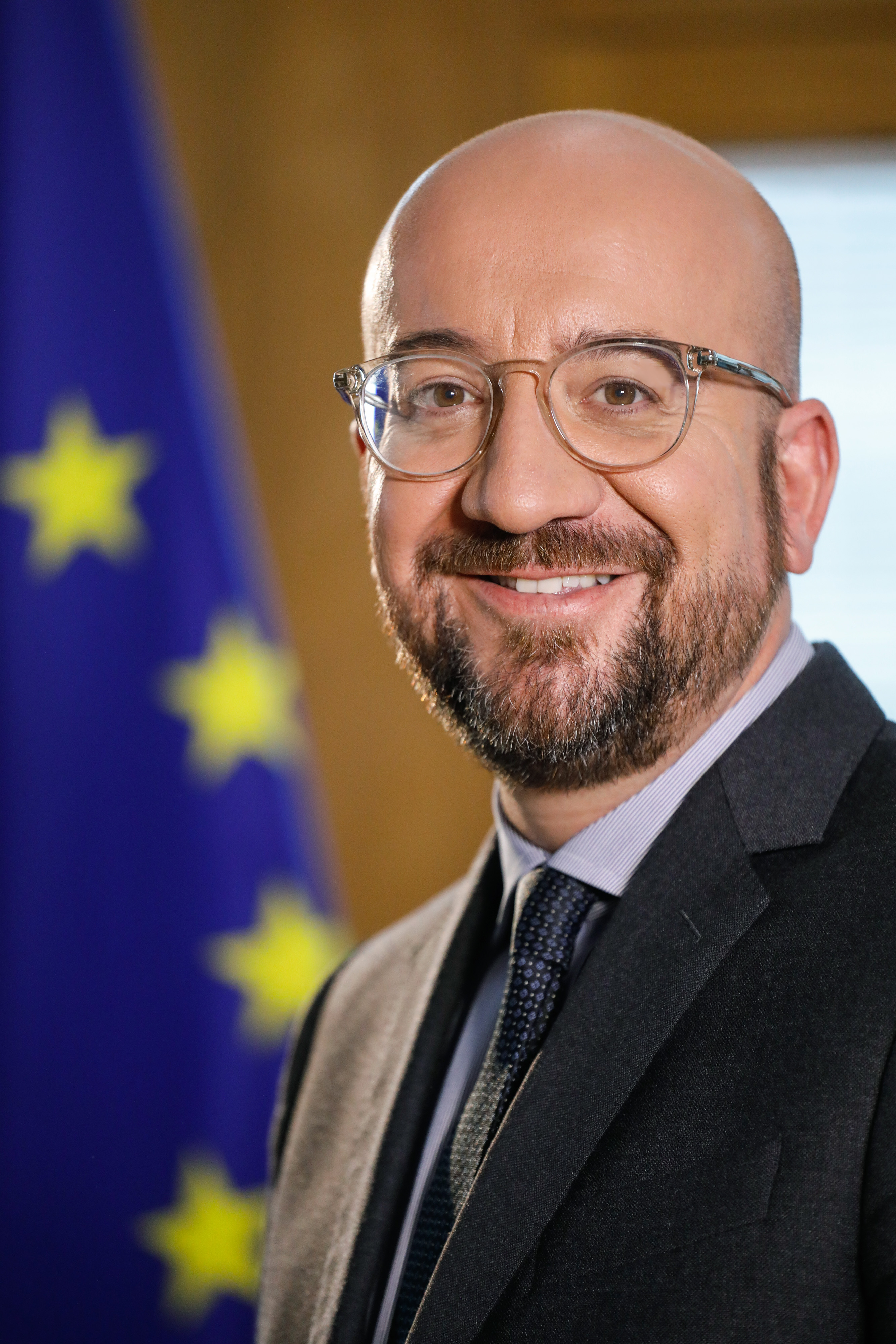
Charles Michel, currently serving as President of the European Council since December 2019, is a Belgian politician who has navigated the complex currents of European leadership. His tenure has been marked by significant challenges, including Brexit's finalization, the COVID-19 pandemic, and the ongoing war in Ukraine, all of which have demanded decisive, unified responses from the EU. Michel's background as a former Prime Minister of Belgium (2014-2019) and his early career in liberal politics provide a foundation for his pragmatic, consensus-building approach to intergovernmental relations. He is a key figure in shaping the EU's strategic direction, particularly concerning its response to geopolitical crises and its long-term economic and security objectives.
🇧🇪 From Belgian Premier to Brussels Bureaucrat
Michel's ascent to the European stage was built on a solid foundation in Belgian politics. He served as the Prime Minister of Belgium from 2014 to 2019, leading a coalition government through a period of significant domestic and international pressure. Prior to that, he held various ministerial portfolios, honing his skills in economic policy and public administration. This background provided him with invaluable experience in coalition building and crisis management, skills that are directly transferable to the complex multilateral environment of the European Union. His journey from national leadership to the heart of Brussels offers a compelling case study in political progression.
📈 Economic Reforms and Political Maneuvering
During his time as Belgian Prime Minister, Michel championed a series of economic reforms aimed at boosting competitiveness and employment. These initiatives, while sometimes controversial, demonstrated his commitment to fiscal prudence and structural adjustments. His approach often involved a pragmatic blend of liberalization and social responsibility, seeking to balance economic growth with social cohesion. This experience informs his current role, where he advocates for economic resilience and strategic autonomy for the EU, particularly in the face of global supply chain disruptions and inflationary pressures. His economic philosophy is a key component of his political identity.
🤝 Transatlantic Relations and Geopolitical Shifts
Michel plays a significant role in shaping the EU's relationship with major global powers, particularly the United States and China. He is a key voice in articulating the EU's foreign policy objectives and coordinating responses to international crises. His engagements with leaders like Joe Biden and Xi Jinping are crucial for navigating complex geopolitical currents and advancing European interests. The ongoing strategic competition between global powers presents a constant challenge, requiring Michel to skillfully balance alliances and assert the EU's independent stance. His diplomatic efforts directly influence the European Union's Global Standing.
🌍 Climate Action and the Green Deal's Architect
A cornerstone of Michel's presidency has been his strong advocacy for ambitious climate action. He has been a driving force behind the European Green Deal, a comprehensive strategy to make the EU climate-neutral by 2050. This initiative involves massive investments in renewable energy, sustainable industry, and circular economy principles. Michel's leadership has been instrumental in securing political buy-in for these transformative policies, despite the economic and social implications. His commitment to this agenda positions him as a key figure in the global fight against climate change, influencing international negotiations and setting ambitious targets for emissions reductions.
🤔 The Future of European Leadership
The future trajectory of Charles Michel's influence within the EU and on the global stage remains a subject of keen observation. As the European Union continues to grapple with internal divisions and external pressures, his ability to foster unity and project a coherent European vision will be paramount. His potential for future leadership roles, either within the EU or on a broader international platform, will depend on his continued success in navigating these complex challenges. The Controversy Spectrum surrounding his decisions often highlights the inherent difficulties in leading such a diverse political entity.
💡 Key Takeaways for Understanding Michel's Impact
Charles Michel represents a pragmatic, consensus-driven approach to European leadership. His background as a national leader provides him with a grounded understanding of member state concerns, while his current role demands a visionary perspective on the EU's global responsibilities. He is a key architect of the European Green Deal and a crucial negotiator in shaping the EU's response to geopolitical crises. For those seeking to understand the inner workings of the European Council and the forces shaping European policy, Michel's actions and decisions are essential to track. His influence flows significantly through the European Union Institutions.
Key Facts
- Year
- 1975
- Origin
- Belgium
- Category
- Politics & Diplomacy
- Type
- Person
Frequently Asked Questions
What is the primary role of the President of the European Council?
The President of the European Council chairs meetings of EU leaders, sets the EU's overall political direction, and represents the EU externally on foreign and security policy matters at the highest level. They are responsible for facilitating consensus among member states and ensuring the smooth functioning of the Council's work. This role is crucial for maintaining unity and driving forward the EU's agenda on the global stage.
What were Charles Michel's key achievements as Prime Minister of Belgium?
As Belgian Prime Minister from 2014 to 2019, Charles Michel led a coalition government and focused on economic reforms, including tax shifts and pension reforms, aimed at boosting competitiveness and employment. He also navigated significant security challenges and played a role in international diplomacy during his tenure. His leadership style was characterized by a pragmatic approach to complex policy issues.
How does Charles Michel influence the European Green Deal?
Michel has been a strong proponent and driving force behind the European Green Deal. He has worked to secure political agreement among member states for its ambitious targets, such as climate neutrality by 2050. He plays a key role in setting the political agenda for climate action within the European Council and advocating for its implementation across various EU policies.
What are the main challenges facing Charles Michel in his current role?
Michel faces numerous challenges, including managing internal divisions among EU member states, responding to geopolitical crises like the war in Ukraine, navigating economic instability, and ensuring the EU's global competitiveness. He must also balance competing national interests with the collective European agenda, a constant diplomatic tightrope walk.
How does Michel's background in Belgian politics inform his European role?
His experience as Prime Minister of Belgium provided him with direct experience in coalition building, crisis management, and negotiating complex policy issues within a multi-party system. This background equips him with a practical understanding of national perspectives, which is invaluable when seeking consensus among 27 diverse EU member states.
What is the Vibe score typically associated with Charles Michel's leadership?
The Vibe score for Charles Michel's leadership is often dynamic, reflecting the inherent complexities of his role. Scores tend to rise when he successfully brokers significant agreements or presents a united EU front on the international stage. Conversely, scores may dip during periods of intense internal disagreement among member states or when external crises challenge the EU's cohesion. His ability to project stability and decisive action significantly impacts his Vibe score.