
Contents
Overview
The story of the cacao bean begins not with sweet indulgence, but with ancient ritual and sustenance in the Amazon basin. Archaeological evidence suggests the Mayo-Chinchipe culture first domesticated the Theobroma cacao tree, utilizing its seeds for beverages and possibly medicinal purposes. From there, the plant journeyed north, reaching Mesoamerica where it was embraced by civilizations like the Olmec, Maya, and Aztec. For these cultures, cacao was far more than a foodstuff; it was a sacred offering, a key component in religious ceremonies, and a valuable commodity used as currency. The Aztec word 'cacahuatl' gave rise to our modern terms, underscoring its profound significance. This ancient lineage, stretching back millennia, laid the groundwork for the global phenomenon chocolate would eventually become, a far cry from its bitter, unadulterated origins.
⚙️ How It Works
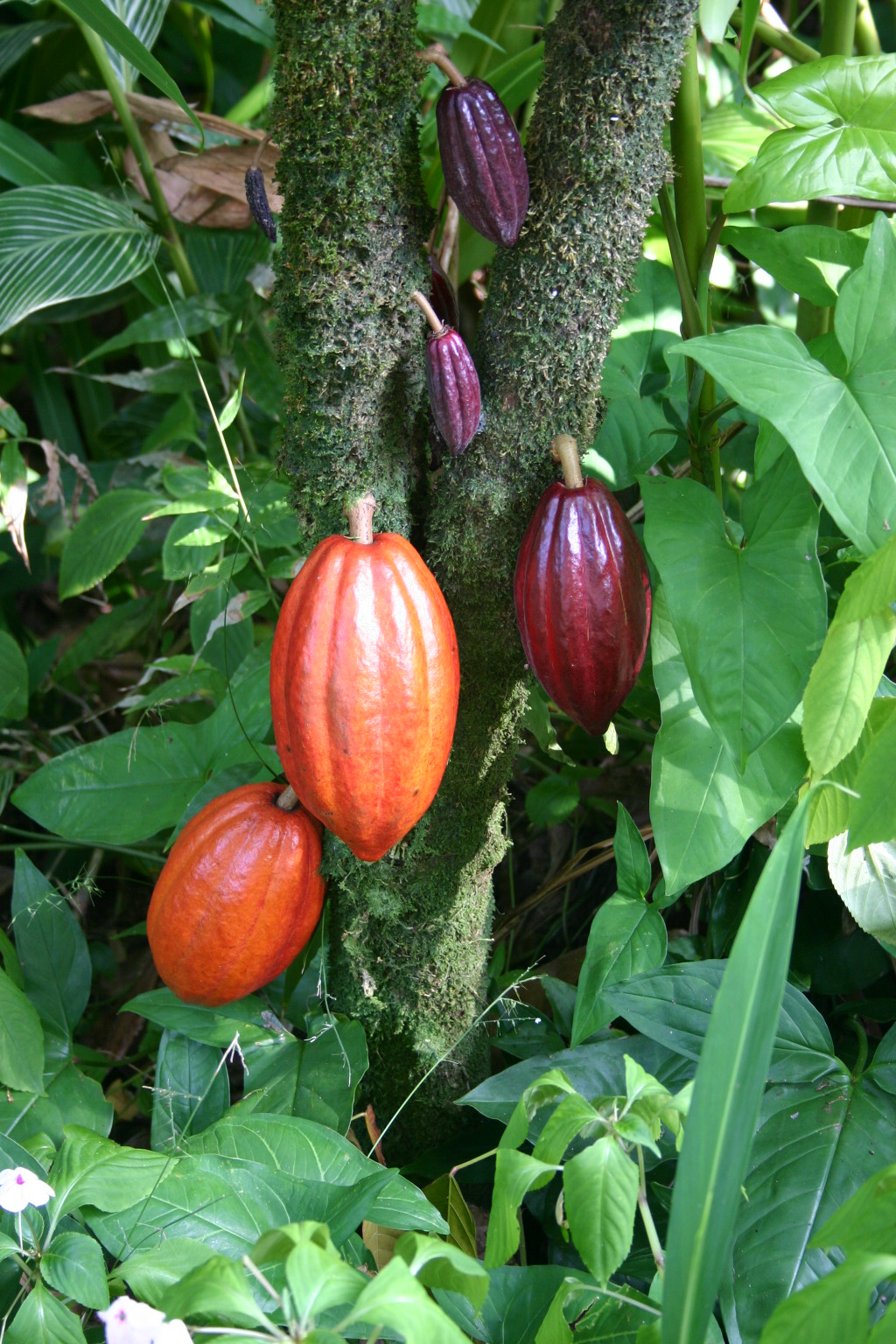
Transforming the cacao bean from a bitter seed into the chocolate we recognize involves a meticulous, multi-stage process. After harvesting pods from the Theobroma cacao tree, the beans and surrounding pulp are fermented for several days, a crucial step that develops complex flavor precursors and reduces bitterness. This fermentation, often occurring in wooden boxes or piles covered with banana leaves, can last between two to nine days, depending on the bean variety and local climate. Following fermentation, the beans are dried, typically in the sun, to reduce moisture content and prevent mold. They are then cleaned, roasted to further develop flavor and loosen the shell, and finally, winnowed to remove the shells, leaving the 'nibs'—the core of the cacao bean. These nibs are then ground into a paste known as chocolate liquor, which is the base for all chocolate products, whether solid chocolate, cocoa powder, or cocoa butter.
📊 Key Facts & Numbers
The global cacao market is a colossal enterprise, with annual production reaching approximately 5.8 million tonnes in 2024. Ivory Coast stands as the undisputed titan, accounting for a staggering 38% of this global output, followed by Ghana, which contributes around 18%. Together, these West African nations dominate the supply, a stark contrast to the bean's Amazonian origins. The market value of raw cacao beans fluctuates but typically hovers in the billions of dollars annually, with prices significantly impacted by weather patterns, disease outbreaks like black pod disease, and geopolitical stability in producing regions. The Forastero variety, known for its hardiness and high yield, constitutes about 80-90% of the world's cacao production, while the more delicate Criollo and Trinitario varieties are prized for their nuanced flavors but command higher prices due to lower yields and susceptibility to pests.
👥 Key People & Organizations
While the cacao bean itself is a product of nature, its cultivation, trade, and transformation have been shaped by numerous individuals and organizations. Historically, figures like Henri Nestlé and Rodolphe Lindt revolutionized chocolate processing in the 19th century, introducing innovations like milk chocolate and the conching machine, respectively, which dramatically altered consumer appeal. Today, major chocolate manufacturers such as Mars Inc., Mondelēz International (owner of Cadbury), and Barry Callebaut are the primary purchasers of cacao beans, wielding immense influence over the market. Organizations like the International Cocoa Organization (ICCO) work to foster cooperation among producing and consuming countries, while advocacy groups like the Fair Trade Federation and Rainforest Alliance champion sustainable and ethical sourcing practices, pushing for better conditions for the millions of smallholder farmers who cultivate the beans.
🌍 Cultural Impact & Influence
The cultural footprint of the cacao bean is immense, extending far beyond its transformation into chocolate. In its pre-Columbian Mesoamerican context, cacao was deeply interwoven with spiritual beliefs, often consumed during important rituals and ceremonies, and its beans served as a form of currency, facilitating trade across vast distances. The Spanish conquest introduced cacao to Europe, where it was initially a luxury item for royalty and the aristocracy, often consumed as a bitter, spiced drink. Over centuries, particularly with the advent of industrialization and the addition of sugar and milk, chocolate transitioned from an elite beverage to a widely accessible confection. This democratization of chocolate has cemented its place in global culture, appearing in countless celebrations, holidays, and everyday moments, from Valentine's Day gifts to comfort food, profoundly shaping global culinary traditions and consumer habits.
⚡ Current State & Latest Developments
The global cacao industry is currently navigating a period of intense volatility and transformation. In early 2024, cacao prices surged to record highs, exceeding $6,000 per tonne on the futures market, driven by severe weather in West Africa, disease impacting crops, and lingering effects of past underinvestment in the sector. This price surge is putting immense pressure on chocolate manufacturers and, potentially, consumers. Simultaneously, there's a growing demand for traceable and sustainably sourced cacao, with consumers increasingly scrutinizing the environmental and social impact of their chocolate consumption. Companies are investing in new cultivation techniques, disease-resistant varieties, and direct farmer engagement models, attempting to balance the need for increased supply with ethical considerations. The emergence of lab-grown cocoa alternatives, though still nascent, also represents a potential future disruptor.
🤔 Controversies & Debates
The cacao bean is at the center of significant ethical and economic controversies, primarily revolving around the livelihoods of smallholder farmers. Despite record-high global prices, many of the estimated 2 million farmers in West Africa, who produce the bulk of the world's cacao, still earn wages below the poverty line. Issues such as child labor, forced labor, and deforestation remain persistent problems in some cacao-growing regions, despite efforts by certification bodies like Rainforest Alliance and Fair Trade. Critics argue that the current economic model disproportionately benefits large chocolate corporations and traders, leaving farmers vulnerable to price fluctuations and lacking the resources to invest in sustainable practices. The debate is fierce: is the industry structured to ensure fair compensation and dignified work, or does it perpetuate a cycle of poverty and environmental degradation for the sake of cheap chocolate?
🔮 Future Outlook & Predictions
The future of the cacao bean is poised for significant disruption and innovation. Projections suggest that climate change will increasingly threaten traditional cacao-growing regions, particularly in West Africa, due to rising temperatures and altered rainfall patterns. This could lead to further price volatility and supply chain instability. Consequently, research into climate-resilient cacao varieties and alternative growing regions is accelerating. Biotechnology and genetic engineering may play a larger role in developing hardier, higher-yielding strains. Furthermore, the development of 'bean-to-bar' chocolate movements and the increasing consumer demand for single-origin, ethically sourced products are likely to empower smaller producers and foster greater transparency. The potential for lab-grown cacao, while still in its infancy, could also fundamentally alter the agricultural landscape, decoupling chocolate production from traditional farming challenges and ethical concerns.
💡 Practical Applications
The primary application of the cacao bean is, unequivocally, the production of chocolate. This involves processing the fermented and dried beans into cocoa liquor, from which cocoa solids (for flavor and color) and cocoa butter (for texture and melt) are extracted. These components are then combined with sugar, emulsifiers like lecithin, and flavorings to create various types of chocolate, including dark, milk, and white chocolate. Beyond confectionery, cocoa powder, a byproduct of cocoa butter extraction, is used in
Key Facts
- Category
- nature
- Type
- topic