
Contents
- 🏠 Origins & History
- 🔒 How It Works
- 📊 Key Facts & Numbers
- 👮 Key People & Organizations
- 🌎 Cultural Impact & Influence
- ⚡ Current State & Latest Developments
- 🤔 Controversies & Debates
- 🔮 Future Outlook & Predictions
- 💡 Practical Applications
- 📚 Related Topics & Deeper Reading
- Frequently Asked Questions
- References
- Related Topics
Overview
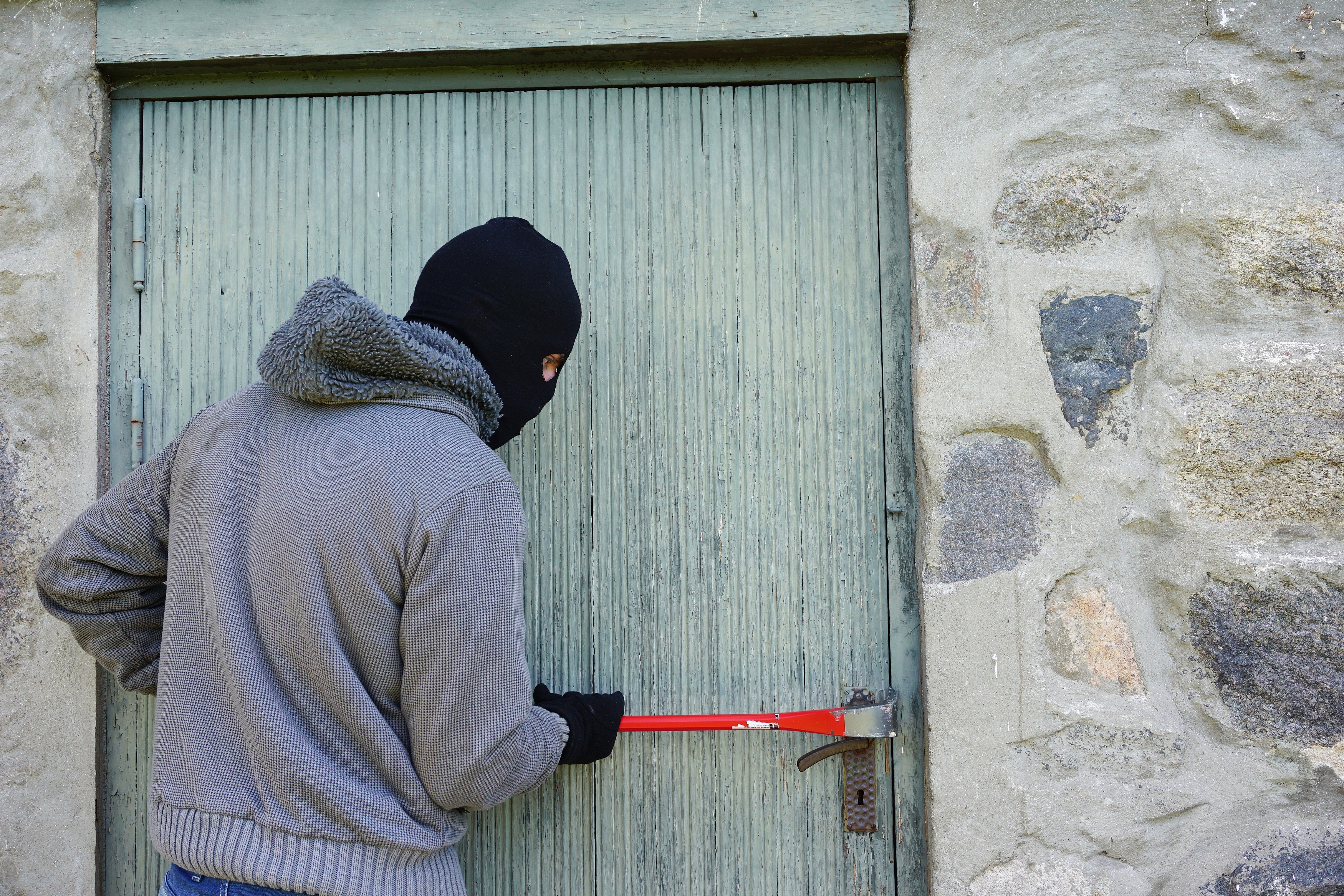
Burglary, also known as breaking and entering (B&E) or housebreaking, is a serious property crime that involves the unauthorized entry into a building or other area with the intention of committing a further criminal offense, such as theft, larceny, robbery, or murder. According to the FBI, there were an estimated 1.1 million burglaries in the United States in 2020, resulting in losses of over $3 billion. The crime of burglary has a long history, dating back to ancient times, and has been addressed through various laws and regulations, including the Burglary Act of 1623 in England. Today, law enforcement agencies, such as the FBI, use advanced technologies, including DNA analysis and CCTV surveillance, to investigate and prevent burglaries. As technology continues to evolve, so do the methods used by burglars, making it essential to stay informed about the latest trends and statistics, such as those provided by the National Crime Victimization Survey.
🏠 Origins & History
The concept of burglary has been around for centuries, with evidence of break-ins and theft dating back to ancient civilizations, such as Ancient Egypt and Ancient Greece. The term 'burglary' itself is derived from the Old English word 'burh,' meaning 'fortress' or 'town,' and the Latin word 'lar,' meaning 'thief.' Over time, laws and regulations have been put in place to address the issue of burglary, including the Burglary Act of 1623 in England, which made burglary a felony offense. Today, law enforcement agencies, such as the FBI, use advanced technologies, including DNA analysis and CCTV surveillance, to investigate and prevent burglaries.
🔒 How It Works
Burglary typically involves the unauthorized entry into a building or other area, often with the intention of committing a further criminal offense, such as theft, larceny, robbery, or murder. The methods used by burglars can vary, from simple lock picking to more sophisticated techniques, such as safe cracking and alarm system hacking. In some cases, burglars may use social engineering tactics to gain access to a building or area, such as posing as a utility worker or delivery person.
📊 Key Facts & Numbers
According to the FBI, there were an estimated 1.1 million burglaries in the United States in 2020, resulting in losses of over $3 billion. The average loss per burglary was around $2,500, with the majority of burglaries occurring during the daytime, when residents are away from home. The most common items stolen during burglaries are cash, jewelry, and electronics, such as laptops and smartphones. In terms of demographics, the majority of burglars are male, between the ages of 18 and 30, and are often motivated by financial gain, such as the need to support a drug addiction.
👮 Key People & Organizations
Law enforcement agencies, such as the FBI, play a critical role in investigating and preventing burglaries. The FBI's Uniform Crime Reporting (UCR) Program collects and analyzes crime data from law enforcement agencies across the United States, providing valuable insights into burglary trends and patterns. Other key organizations involved in addressing burglary include the National Sheriffs' Association and the International Association of Chiefs of Police.
🌎 Cultural Impact & Influence
Burglary has a significant impact on society, both economically and emotionally. The financial losses resulting from burglaries can be substantial, with the average loss per burglary ranging from $2,000 to $5,000. In addition to the financial costs, burglary can also have a profound emotional impact on victims, who may experience feelings of anxiety, fear, and violated. The media, such as CNN and Fox News, often report on high-profile burglaries, raising awareness about the issue and providing tips on how to prevent it.
⚡ Current State & Latest Developments
Currently, law enforcement agencies are using advanced technologies, such as AI-powered surveillance and biometric analysis, to investigate and prevent burglaries. The use of smart home security systems and neighborhood watch programs is also becoming more prevalent, as residents take steps to protect their homes and communities. However, as technology continues to evolve, so do the methods used by burglars, making it essential to stay informed about the latest trends and statistics.
🤔 Controversies & Debates
There are several controversies and debates surrounding burglary, including the use of no-knock warrants and the war on drugs. Some argue that these policies have led to an increase in burglaries, as well as the militarization of police, while others argue that they are necessary to combat crime. The issue of racial disparities in the justice system is also a topic of debate, with some arguing that certain groups are disproportionately targeted by law enforcement.
🔮 Future Outlook & Predictions
Looking to the future, it is likely that burglary will continue to evolve, with new technologies and methods being used by both burglars and law enforcement. The use of autonomous vehicles and drones may become more prevalent in burglaries, while law enforcement agencies may use predictive policing and crime prediction software to prevent and investigate burglaries. As the crime of burglary continues to adapt, it is essential to stay informed about the latest trends and statistics, such as those provided by the National Crime Victimization Survey.
💡 Practical Applications
In terms of practical applications, there are several steps that individuals can take to prevent burglaries, including installing home security systems and motion-sensitive lighting. The use of smart door locks and window film can also help to prevent break-ins. Additionally, residents can participate in neighborhood watch programs and report any suspicious activity to the authorities.
Key Facts
- Year
- 2020
- Origin
- United States
- Category
- crime
- Type
- crime
Frequently Asked Questions
What is burglary?
Burglary is a serious property crime that involves the unauthorized entry into a building or other area with the intention of committing a further criminal offense, such as theft, larceny, robbery, or murder. According to the FBI, there were an estimated 1.1 million burglaries in the United States in 2020, resulting in losses of over $3 billion. The average loss per burglary was around $2,500, with the majority of burglaries occurring during the daytime, when residents are away from home. The most common items stolen during burglaries are cash, jewelry, and electronics, such as laptops and smartphones.
How can I prevent burglaries?
There are several steps that individuals can take to prevent burglaries, including installing home security systems and motion-sensitive lighting. The use of smart door locks and window film can also help to prevent break-ins. Additionally, residents can participate in neighborhood watch programs and report any suspicious activity to the authorities, such as the local police department.
What are the consequences of burglary?
The consequences of burglary can be severe, both financially and emotionally. The financial losses resulting from burglaries can be substantial, with the average loss per burglary ranging from $2,000 to $5,000. In addition to the financial costs, burglary can also have a profound emotional impact on victims, who may experience feelings of anxiety, fear, and violated. The use of counseling services and support groups can help victims to cope with the emotional aftermath of a burglary.
How do law enforcement agencies investigate burglaries?
Law enforcement agencies, such as the FBI, use advanced technologies, including DNA analysis and CCTV surveillance, to investigate and prevent burglaries. The use of predictive policing and crime prediction software can also help to identify patterns and trends in burglary, allowing law enforcement agencies to target their efforts more effectively.
What are the latest trends in burglary?
The latest trends in burglary include the use of autonomous vehicles and drones to commit burglaries, as well as the use of social engineering tactics to gain access to buildings and areas. The use of smart home security systems and neighborhood watch programs is also becoming more prevalent, as residents take steps to protect their homes and communities.
How can I report a burglary?
If you have been the victim of a burglary, it is essential to report the crime to the authorities as soon as possible. You can report a burglary to the local police department or the FBI, depending on the circumstances of the crime. It is also a good idea to keep a record of any stolen items, including their make, model, and serial number, as well as any other relevant details, such as the time and date of the burglary.
What are the statistics on burglary?
According to the FBI, there were an estimated 1.1 million burglaries in the United States in 2020, resulting in losses of over $3 billion. The average loss per burglary was around $2,500, with the majority of burglaries occurring during the daytime, when residents are away from home. The most common items stolen during burglaries are cash, jewelry, and electronics, such as laptops and smartphones.
How can I protect my home from burglars?
There are several steps that you can take to protect your home from burglars, including installing home security systems and motion-sensitive lighting. The use of smart door locks and window film can also help to prevent break-ins. Additionally, you can participate in neighborhood watch programs and report any suspicious activity to the authorities, such as the local police department.