
Contents
Overview
Breastfeeding education encompasses the knowledge, skills, and support systems designed to facilitate successful lactation and infant feeding. It aims to equip parents, particularly mothers, with accurate information about the mechanics of breastfeeding, its health benefits for both infant and mother, common challenges, and effective solutions. Historically, this knowledge was often passed down through families, but societal shifts and increased medicalization have led to the formalization of breastfeeding education through healthcare providers, lactation consultants, and community-based programs. Despite widespread recommendations from organizations like the World Health Organization (WHO) for exclusive breastfeeding for the first six months, global rates of exclusive breastfeeding remain significantly lower than ideal, highlighting the critical need for accessible and comprehensive education. This education is not merely about technique; it delves into the physiological processes, nutritional science, and emotional aspects of feeding, empowering families to make informed choices and navigate the complexities of early parenthood.
🎵 Origins & History
The roots of breastfeeding education are as old as humanity itself, embedded in the direct, intergenerational transmission of knowledge from mother to daughter. For millennia, women learned to breastfeed through observation, hands-on guidance from elder relatives, and communal support networks. The modern era of formal breastfeeding education gained momentum in the latter half of the 20th century, spurred by growing awareness of the health benefits of breast milk and advocacy from organizations like La Leche League, which was founded by seven mothers seeking to support each other. This resurgence marked a deliberate effort to reclaim and disseminate evidence-based information, moving away from anecdotal advice towards structured curricula and professional certification.
⚙️ How It Works
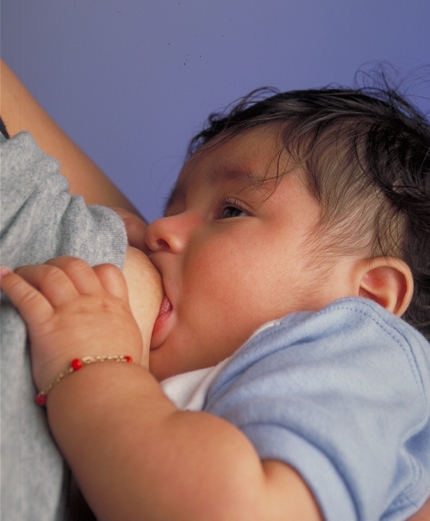
Effective breastfeeding education operates on multiple levels, addressing both the physical and psychological aspects of lactation. At its core, it involves teaching the mechanics of a good latch, proper positioning, and understanding infant hunger cues. This is often demonstrated through visual aids, hands-on practice with dolls or models, and direct observation of mother-infant dyads. Beyond technique, education delves into the physiology of milk production, including the hormonal feedback loops involving oxytocin and prolactin, and the importance of frequent milk removal. It also covers common challenges such as sore nipples, engorgement, and mastitis, providing strategies for prevention and management, often drawing on principles from midwifery and pediatric care. Crucially, education addresses the emotional and psychological journey, normalizing the learning curve for both parent and baby and fostering confidence through positive reinforcement and realistic expectations, often incorporating techniques from cognitive-behavioral therapy for managing anxiety.
📊 Key Facts & Numbers
Globally, the statistics underscore the urgent need for robust breastfeeding education. Despite widespread recommendations from organizations like the WHO for exclusive breastfeeding for the first six months, global rates remain significantly lower than ideal. Funding for breastfeeding support programs often remains inadequate, with many healthcare systems allocating insufficient resources to lactation support services.
👥 Key People & Organizations
A constellation of individuals and organizations champions breastfeeding education worldwide. La Leche League International has been a cornerstone, providing peer support and information through local groups and extensive publications. The International Lactation Consultant Association (ILCA) works to professionalize lactation support, and the US Breastfeeding Committee advocates for policy changes. Key figures like Mary Ann Newman, a prominent author and advocate, and Kathleen Arnold, a leading researcher in lactation science, have significantly shaped the discourse. Public health bodies such as the Centers for Disease Control and Prevention (CDC) in the U.S. disseminate guidelines and support educational initiatives. The American Academy of Pediatrics also provides crucial clinical recommendations that inform educational content.
🌍 Cultural Impact & Influence
Breastfeeding education has profoundly influenced societal norms, healthcare practices, and the perception of infant care. It has shifted the narrative from formula-centric infant feeding to a more mother-and-baby-centered approach, emphasizing the biological and emotional bonding aspects. This education has empowered countless parents to overcome initial hurdles, leading to longer breastfeeding durations and improved infant health outcomes, as evidenced by lower rates of ear infections, gastrointestinal issues, and obesity in breastfed children. Culturally, it has fostered a greater appreciation for the 'fourth trimester' and the importance of maternal-infant dyad support. However, this increased visibility has also led to intense scrutiny and the rise of 'breastfeeding shaming' when expectations are not met, highlighting the complex emotional terrain surrounding feeding choices, a phenomenon often discussed on platforms like Reddit.
⚡ Current State & Latest Developments
The landscape of breastfeeding education is currently characterized by a push for greater accessibility and inclusivity. Telehealth lactation support, accelerated by the COVID-19 pandemic, has expanded reach, allowing individuals in remote areas or those with mobility issues to access expert advice. There's a growing emphasis on educating diverse populations, including LGBTQ+ parents, adoptive parents, and those using donor milk, ensuring education is relevant to a wider range of family structures. Innovations in wearable technology, such as smart breast pumps that track output, are also beginning to integrate with educational platforms. Furthermore, a critical re-evaluation of hospital practices is underway, with initiatives like Baby-Friendly Hospital Initiative accreditation aiming to standardize evidence-based care and education at the point of birth, though progress remains uneven across different healthcare systems.
🤔 Controversies & Debates
Breastfeeding education is not without its controversies and debates. One significant tension lies between the promotion of breastfeeding and the reality of mothers' return to work, often necessitating pumping or formula supplementation, leading to guilt and perceived failure. The 'breast is best' mantra, while scientifically supported, can be weaponized against mothers who cannot or choose not to breastfeed, creating a polarized environment. Debates also arise regarding the role of formula companies in providing educational materials, with critics arguing that their influence can subtly promote formula over breastfeeding. Furthermore, the professionalization of lactation support, while beneficial, has led to discussions about the scope of practice for peer counselors versus certified lactation consultants, and the accessibility of affordable, high-quality support for all socioeconomic groups. The debate over public breastfeeding rights also intersects with educational efforts, highlighting societal discomfort and the need for continued advocacy.
🔮 Future Outlook & Predictions
The future of breastfeeding education is poised for greater integration with technology and a more personalized approach. Expect to see more AI-driven platforms offering tailored advice based on individual feeding journeys, potentially analyzing feeding patterns and providing real-time support. The role of doulas and community health workers in providing culturally sensitive, localized education is likely to expand, complementing the work of certified professionals. There's also a growing movement to integrate breastfeeding education earlier into curricula, starting in middle school and high s
Key Facts
- Category
- culture
- Type
- topic