
Contents
Overview
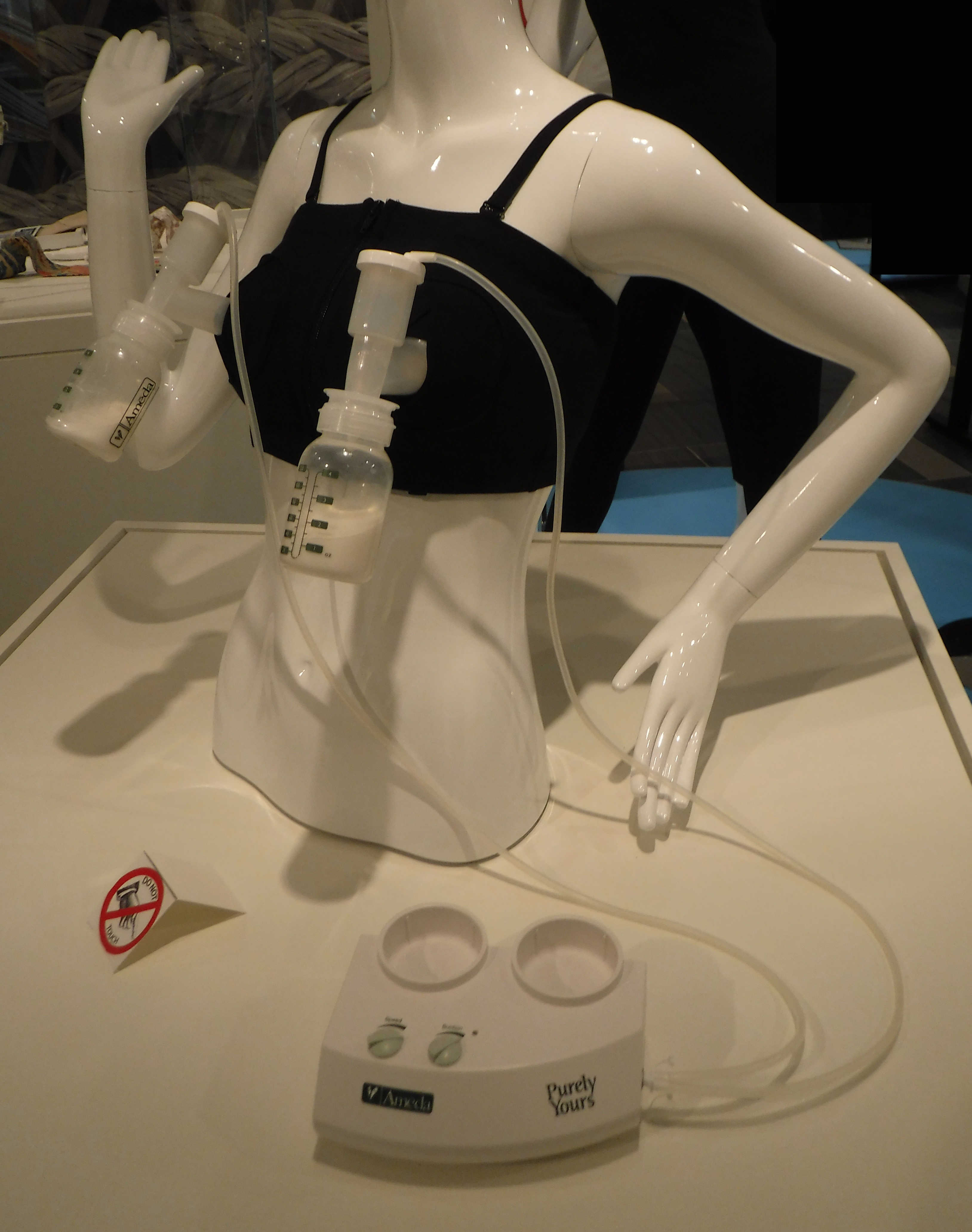
A breast pump is a device designed to extract milk from a lactating human breast. These tools range from simple manual contraptions operated by hand to sophisticated electric and hospital-grade machines that mimic a baby's suckling rhythm. Historically, rudimentary forms of breast pumps have existed for centuries, evolving significantly with advancements in engineering and understanding of lactation. Today, breast pumps are indispensable for many mothers, facilitating milk storage, managing supply, and supporting infant nutrition, especially for premature babies or when direct breastfeeding isn't feasible. The market is vast, featuring numerous brands and models, each with varying features like adjustable suction, portability, and noise levels, reflecting a complex interplay of medical necessity, personal choice, and technological innovation.
🎵 Origins & History
The concept of extracting milk from the breast predates modern technology, with historical accounts suggesting rudimentary devices used as early as ancient Egypt and Rome. Early methods likely involved manual expression or simple suction devices fashioned from natural materials like gourds or animal horns. Significant advancements began in the 20th century, particularly with the development of electric-powered pumps. The post-World War II era saw further refinement, with companies like Medela emerging as major players, focusing on creating more ergonomic and effective designs that would eventually become commonplace in hospitals and homes worldwide.
⚙️ How It Works
Breast pumps operate on the principle of creating suction to draw milk from the nipple and areola into a collection container. Manual pumps typically use a piston or lever mechanism, requiring the user to generate suction by hand. Electric pumps, conversely, utilize a motor to create vacuum cycles. These motors can be powered by batteries or plugged into a wall outlet. Modern electric pumps often feature adjustable settings for suction strength and speed, allowing users to customize the experience to mimic a baby's feeding patterns, which can help optimize milk flow and comfort. Hospital-grade pumps, generally the most powerful, employ a closed system to prevent milk contamination and are designed for durability and frequent use, often featuring robust motors and advanced cycle control.
📊 Key Facts & Numbers
Many insurance plans in countries like the US and Canada cover the cost of at least one pump. Wearable breast pumps, a rapidly growing segment, are available.
👥 Key People & Organizations
Key figures in the development and popularization of breast pumps include Dr. Jack Newman, a Canadian pediatrician and lactation consultant who championed hands-on approaches and developed the Dr. Jack Newman Breastfeeding Inc. line of products, including specialized flanges. Companies like Medela have been instrumental in advancing pump technology, particularly with their hospital-grade models and closed-system designs. Philips Avent and Spectra Baby are other prominent manufacturers known for their innovative consumer-grade pumps. Organizations such as the La Leche League and International Lactation Consultant Association (ILCA) play crucial roles in educating mothers and promoting breastfeeding support, often recommending or advising on breast pump use.
🌍 Cultural Impact & Influence
Breast pumps have profoundly impacted modern motherhood, enabling greater flexibility for working mothers and facilitating the nutritional needs of infants in neonatal intensive care units (NICUs). They have normalized the idea of milk sharing and donation, with hospital-grade pumps being central to milk banks that supply vulnerable infants. The technology has also influenced cultural perceptions of breastfeeding, shifting it from a purely intimate act to one that can be managed and shared, sometimes leading to debates about the commodification of breast milk. The availability of discreet, portable pumps has allowed more mothers to maintain breastfeeding while balancing careers and personal lives, subtly altering workplace dynamics and societal expectations around parental leave and infant care.
⚡ Current State & Latest Developments
The breast pump market is currently experiencing rapid innovation, driven by the demand for convenience and efficiency. Wearable, "all-in-one" pumps that fit inside a bra, such as those from Elvie and Momcozy, have gained significant traction, offering greater mobility and discretion. Smart pumps, which connect to smartphone apps to track milk volume, pumping sessions, and even milk storage, are also becoming more prevalent, exemplified by models from Spectra Baby and Lansinoh. There's a growing focus on personalized suction patterns and comfort technologies, with some brands experimenting with softer materials and gentler vacuum profiles. The regulatory landscape is also evolving, with increased scrutiny on safety standards and material sourcing by bodies like the U.S. Food and Drug Administration.
🤔 Controversies & Debates
Significant controversies surround breast pumps, primarily concerning their efficacy, safety, and accessibility. One debate centers on the "closed system" versus "open system" designs; closed systems, where milk cannot enter the tubing, are generally considered more hygienic and are standard in hospital-grade pumps, while some cheaper consumer models use open systems that can be harder to clean and may harbor mold or bacteria, posing a risk of infection. Another area of contention is the marketing and insurance coverage of pumps, with disparities existing globally and even within countries like the US, where coverage varies by insurer. Ethical debates also arise regarding the pressure on mothers to pump, especially in professional settings, and the potential for pumps to be seen as a substitute for direct breastfeeding rather than a complementary tool.
🔮 Future Outlook & Predictions
The future of breast pumps likely lies in enhanced personalization and integration with digital health platforms. Expect to see more AI-driven features that analyze pumping data to optimize milk production based on individual physiology and infant needs. Innovations in materials science could lead to even more comfortable and hygienic pump components. Furthermore, as telehealth and remote monitoring become more common, breast pumps might integrate seamlessly with maternal health apps, providing real-time feedback to lactation consultants or healthcare providers. The development of more affordable, yet equally effective, hospital-grade pump alternatives could also democratize access for mothers in lower-income brackets or regions with less robust healthcare systems.
💡 Practical Applications
Breast pumps serve a multitude of practical applications beyond simple milk storage. They are critical for mothers of premature infants in Neonatal Intensive Care Units (NICUs) to establish and maintain milk supply, providing vital colostrum and milk for their fragile babies. For working mothers, pumps enable them to continue breastfeeding by allowing partners or caregivers to feed the baby while the mother is at work. They are also used to manage conditions like engorgement or mastitis, and to increase milk supply when needed. Some mothers use pumps for milk donation to milk banks, supporting other infants in need. Athletes and performers have also utilized pumps to maintain lactation schedules while traveling or performing.
Key Facts
- Category
- technology
- Type
- topic