
Contents
Overview
Breast pumping is the process of extracting milk from a human breast using a mechanical device, commonly employed by lactating individuals to provide breast milk for their infants when direct nursing is not feasible. Devices range from simple manual pumps, operated by hand, to sophisticated electric and hospital-grade models that mimic a baby's suckling rhythm with adjustable suction and speed settings. Historically, rudimentary methods existed for millennia, but modern breast pumps, particularly electric ones, gained traction in the mid-20th century, transforming infant feeding practices and enabling greater flexibility for nursing parents. The global market for breast pumps is substantial, reflecting its widespread adoption and the ongoing innovation in design and functionality, driven by both medical necessity and parental choice.
🎵 Origins & History
The practice of extracting breast milk dates back to antiquity, with early civilizations like ancient Egypt and Rome employing rudimentary methods to collect milk for infants or for medicinal purposes. Significant advancements occurred in the late 19th and early 20th centuries with the development of more practical manual pumps. The mid-20th century saw the advent of electric breast pumps, which laid the groundwork for modern hospital-grade machines designed for premature infants and mothers facing lactation challenges. The widespread adoption of electric pumps in the latter half of the 20th century, particularly by companies like Medela, revolutionized the ability for lactating individuals to manage milk supply and feed their babies when separated.
⚙️ How It Works
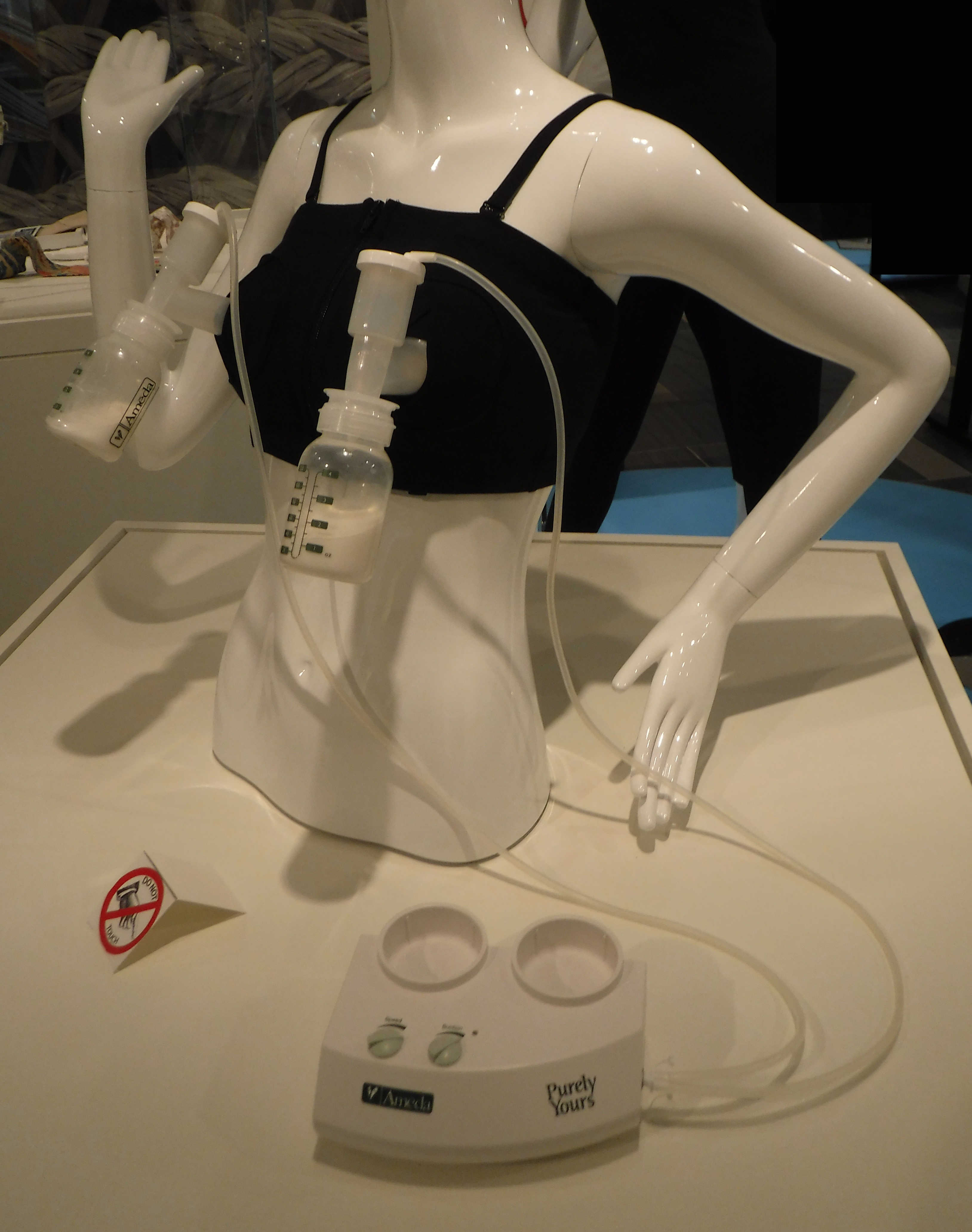
Modern breast pumps operate on principles of vacuum and suction, designed to stimulate the nipple and areola to initiate the milk ejection reflex, commonly known as the let-down. Manual pumps typically use a lever or plunger mechanism that the user squeezes to create suction, requiring consistent physical effort. Electric pumps, powered by batteries or AC adapters, utilize a motor to generate a rhythmic suction pattern. These often feature adjustable settings for suction strength and cycle speed, allowing users to customize the experience to mimic their baby's feeding behavior or optimize milk output. Hospital-grade pumps, the most powerful and efficient, are usually double-electric and designed for intensive, frequent use, often featuring closed-system designs to prevent milk contamination and maintain hygiene. The flange, a funnel-shaped piece that fits over the breast, is crucial for effective milk collection and comes in various sizes to ensure a proper seal and comfort.
📊 Key Facts & Numbers
The global breast pump market is a significant industry, reflecting its widespread adoption and the ongoing innovation in design and functionality. The U.S. Food and Drug Administration (FDA) plays a crucial regulatory role, approving new devices and ensuring their safety and efficacy. The European Union's CE marking is also a standard for medical device safety.
👥 Key People & Organizations
Key figures in the development and popularization of breast pumps include Dr. Edward Stork, whose electric pump designs in the 1950s were foundational. Companies like Medela, and Philips Avent, which emerged from the Philips conglomerate, have been dominant forces in the market, investing heavily in research and development. Organizations such as La Leche League International and the U.S. Breastfeeding Committee advocate for breastfeeding and the use of supportive tools like breast pumps. More recently, innovators like William S. Parker and his company Willow Innovations have pushed boundaries with discreet, wearable pump designs. The U.S. Food and Drug Administration (FDA) plays a crucial regulatory role, approving new devices and ensuring their safety and efficacy.
🌍 Cultural Impact & Influence
Breast pumping has profoundly influenced modern parenting, offering lactating individuals greater autonomy and flexibility. It has enabled mothers to return to work or pursue other activities while still providing breast milk, challenging traditional notions of maternal roles. The technology has also been instrumental in supporting premature infant care, allowing mothers of critically ill newborns to establish and maintain milk supply for their babies in the NICU. Furthermore, breast pumps have become a symbol of informed choice in infant feeding, empowering parents to combine breastfeeding with bottle-feeding, manage oversupply, or address latching difficulties. The visibility of breast pumps in media and popular culture, from television shows to social media campaigns, has helped normalize the practice and reduce stigma associated with pumping outside the home.
⚡ Current State & Latest Developments
The breast pump industry is currently experiencing rapid innovation, particularly in the realm of wearable and smart technology. Companies are focusing on creating quieter, more discreet, and more comfortable pumping experiences. The development of AI-powered pumps that can track milk output and feeding patterns, syncing data to smartphone apps, is a growing trend. Furthermore, there's an increasing emphasis on personalized pumping, with devices offering more sophisticated customization of suction and cycle settings based on individual user needs. The COVID-19 pandemic also saw a surge in demand for personal electric pumps as more parents worked from home, and interest in hygiene and closed-system designs intensified. Regulatory bodies like the European Union's CE marking and the FDA continue to update standards for medical device safety and performance.
🤔 Controversies & Debates
Breast pumping is not without its controversies and debates. A significant point of contention revolves around the definition and accessibility of breast pumps as medical devices versus consumer products, impacting insurance coverage and reimbursement policies. Some critics argue that the marketing and availability of high-tech pumps create pressure on mothers to achieve specific milk output goals, potentially leading to anxiety and feelings of inadequacy if those goals are not met. The efficacy and comfort of different pump designs are also debated, with anecdotal evidence and user reviews often varying widely. Furthermore, the ethical implications of using breast milk for commercial purposes or in situations where it might disadvantage non-nursing parents are subjects of ongoing discussion. The push for 'breast milk advocacy' sometimes clashes with broader reproductive rights and bodily autonomy discussions.
🔮 Future Outlook & Predictions
The future of breast pumping is likely to be driven by further integration of smart technology and a focus on user experience. We can anticipate pumps that offer even more precise biofeedback, potentially adjusting suction in real-time based on the user's physiological responses. The development of more affordable, yet highly effective, wearable pumps could democratize access to advanced pumping technology. There's also potential for pumps to be integrated with other maternal health technologies, creating a more comprehensive ecosystem for tracking infant feeding and maternal well-being. As societal norms around work and parenting continue to evolve, the demand for discreet, efficient, and user-friendly breast pumps will likely remain strong, pushing manufacturers to innovate beyond current capabilities, potentially exploring novel materials and energy sources.
💡 Practical Applications
Breast pumping serves a multitude of practical purposes for lactating individuals. Its primary application is to provide a supply of expressed breast milk for infants when direct nursing is not possible, such as when a mother returns to work, needs to be away from her baby, or experiences difficulties with latching. It is also crucial for mothers of premature or hospitalized infants, enabling them to build and maintain their milk supply for their vulnerable babies. For mothers experiencing engorgement or oversupply, pumping can provide relief and help regulate milk production. Additionally, expressed milk can be used for milk donation to milk banks, supporting other infants in need. Some individuals also use pumping for therapeutic purposes, such as collecting colostrum before birth or managing conditions like mastitis.
Key Facts
- Category
- technology
- Type
- topic