
Contents
Overview
Bone anchored hearing aids (BAHAs) represent a significant advancement in audiology, offering a solution for individuals with conductive, mixed, or single-sided hearing loss who cannot benefit from traditional hearing devices. Unlike conventional aids that amplify sound through the ear canal, BAHAs utilize bone conduction, transmitting sound vibrations directly through the skull to the inner ear. This process bypasses the problematic outer or middle ear structures, restoring a sense of hearing. The system typically comprises an external sound processor, an abutment or magnetic connector, and a small titanium implant surgically placed in the bone behind the ear. While effective, the surgical implantation and higher cost compared to standard hearing aids are key considerations. Developed through decades of research into bone conduction principles, BAHAs have evolved from experimental devices to a mainstream audiological intervention, profoundly impacting the quality of life for hundreds of thousands globally.
🎵 Origins & History
The concept of bone conduction for hearing has a long, albeit fragmented, history, dating back to at least the 18th century. Early experiments laid crucial groundwork. However, the practical application of bone conduction for hearing restoration in a surgically implanted device didn't truly materialize until the late 20th century. The pivotal development came with the work of Per T. Carlsson and Bo Magnusson, Swedish surgeons who pioneered the use of titanium implants for osseointegration – the direct fusion of bone with the implant. This breakthrough, initially developed for dental prosthetics, proved ideal for creating a stable anchor for a hearing device. Oticon Medical (then Entific Medical Systems) introduced the BI 300, marking the birth of the modern BAHA.
⚙️ How It Works
A bone anchored hearing aid operates on the principle of bone conduction, bypassing the external ear canal and middle ear to deliver sound directly to the cochlea. The system consists of three main components: a small, surgically implanted titanium fixture; an external abutment or a magnetic connector that passes through the skin and attaches to the implant; and an external sound processor that captures ambient sound, converts it into vibrations, and transmits these vibrations via the abutment/magnet to the implant. The implant then vibrates the skull, which in turn stimulates the fluids within the cochlea, initiating the auditory nerve signals that the brain interprets as sound. This method is particularly effective for individuals with conductive hearing loss, mixed hearing loss, or single-sided deafness where traditional hearing aids fail due to obstruction or malformation of the ear canal or middle ear structures.
📊 Key Facts & Numbers
Globally, an estimated 1.5 billion people experience some degree of hearing loss, with approximately 430 million requiring rehabilitation. Bone anchored hearing aids are a solution for a significant subset of this population, estimated to be around 10-15% of those with hearing loss who are not candidates for conventional aids. Since their introduction, over 500,000 BAHA devices have been implanted worldwide. The market for BAHAs is projected to reach over $2.5 billion by 2027, driven by increasing awareness and technological advancements. The cost of a BAHA system, including surgery and the device, can range from $5,000 to $15,000 per ear, making it a substantial investment compared to traditional hearing aids which can cost between $1,000 and $4,000.
👥 Key People & Organizations
Key figures in the development and popularization of BAHAs include Per T. Carlsson and Bo Magnusson, the Swedish surgeons who pioneered the osseointegrated implant. Oticon Medical is a leading manufacturer of BAHAs. Cochlear Limited, another major player in implantable hearing solutions, also offers bone conduction solutions, including their OSIAs system. Audiologists and otolaryngologists worldwide are crucial in patient selection, surgical implantation, and post-operative rehabilitation. Organizations like the Hearing Loss Association of America and the World Health Organization advocate for better hearing health access and awareness, indirectly supporting the adoption of technologies like BAHAs.
🌍 Cultural Impact & Influence
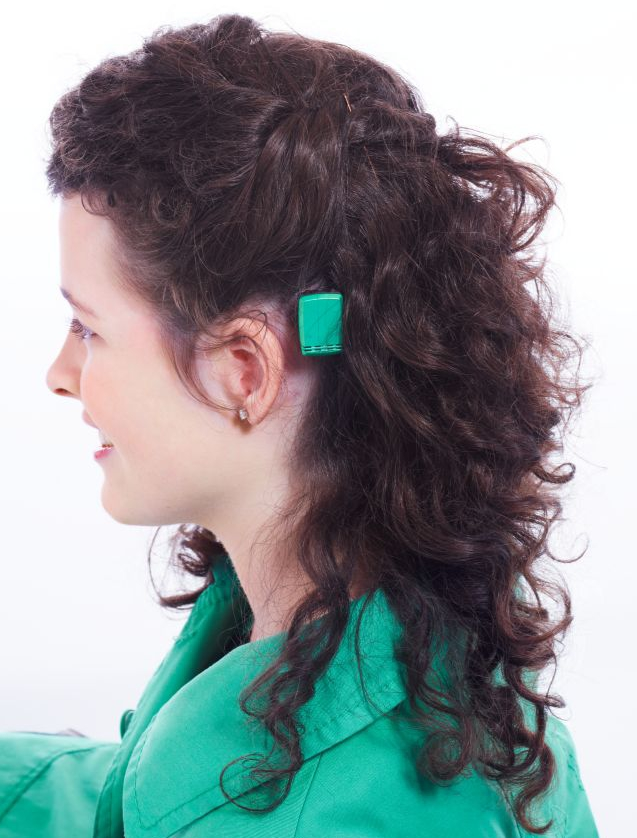
The cultural impact of BAHAs is profound, offering a tangible pathway back to auditory connection for individuals previously isolated by hearing impairment. For those born with conditions like atresia (absence of the ear canal) or suffering from chronic ear infections that preclude conventional aids, BAHAs restore the ability to engage fully in conversations, enjoy music, and perceive environmental sounds crucial for safety. The visual aspect of the external processor, often worn externally and visible, has also spurred conversations about hearing loss visibility and acceptance. While once considered a niche solution, BAHAs are increasingly recognized as a standard audiological intervention, fostering a greater understanding of the diverse needs within the hearing loss community and challenging the stigma associated with hearing assistance devices.
⚡ Current State & Latest Developments
Current developments in BAHA technology are focused on miniaturization, improved sound processing, and enhanced connectivity. Manufacturers like Oticon Medical and Cochlear Limited are continuously refining their external sound processors, making them smaller, more discreet, and incorporating advanced features such as Bluetooth connectivity for direct streaming from smartphones and other devices. Research is also exploring fully implantable systems that would eliminate the external component entirely, further reducing visibility and potential for damage or loss. Furthermore, advancements in osseointegration techniques and implant materials aim to improve long-term stability and reduce the risk of complications. The development of AI algorithms for sound processing is also a growing area, promising more personalized and adaptive hearing experiences.
🤔 Controversies & Debates
A primary controversy surrounding BAHAs revolves around the necessity and invasiveness of the surgical procedure. While generally safe, any surgery carries inherent risks, including infection, implant failure, and nerve damage, though these are rare. BAHAs are considerably more expensive than conventional hearing aids, leading to disparities in access based on insurance coverage and financial means. Some debate exists regarding the optimal age for implantation, particularly for children with congenital hearing loss, with ongoing discussions about the balance between early intervention for speech and language development versus the potential risks and the child's ability to manage the device. The visibility of the external processor can also be a point of contention for some users, particularly adolescents.
🔮 Future Outlook & Predictions
The future of bone anchored hearing aids points towards greater integration and less invasiveness. The pursuit of fully implantable BAHAs, where the entire device is placed beneath the skin, is a major frontier, aiming to eliminate the external abutment and processor, thereby reducing infection risk and improving aesthetics. Advancements in nanotechnology and biomaterials may lead to even more robust and biocompatible implants. Furthermore, the integration of sophisticated machine learning algorithms will enable processors to adapt more dynamically to diverse listening environments, offering a more natural and nuanced auditory experience. We can also anticipate increased interoperability with other assistive technologies and a continued push for greater affordability and accessibility globally, potentially driven by new market entrants and evolving healthcare policies.
💡 Practical Applications
Bone anchored hearing aids have diverse practical applications across various patient groups. They are crucial for individuals with atresia or stenosis of the ear canal, chronic suppurative otitis media with persistent drainage that prevents the use of ear molds, and cholesteatoma or other middle ear pathologies. BAHAs are also a primary solution for single-sided deafness, helping to restore directional hearing and improve speech understanding in noisy environments through the cross-hearing effect. In pediatric audiology, they are vital for children with congenital ear deformities, enabling critical early development of speech and language skills. The technology is also being explored for tinnitus management and for individuals with cert
Key Facts
- Category
- technology
- Type
- topic