
Contents
- 🛫 Introduction to the Avro Lancaster
- 🔩 Design and Development
- 💪 Operational History
- 🔍 Technical Specifications
- 💼 The Role of the Avro Lancaster in WWII
- 🔴 Notable Missions and Raids
- 👥 Crew and Training
- 🔧 Variants and Modifications
- 🏭 Production and Legacy
- 📚 Cultural Significance
- 👀 Preservation and Restoration Efforts
- 🚀 Modern-Day Significance and Commemoration
- Frequently Asked Questions
- Related Topics
Overview
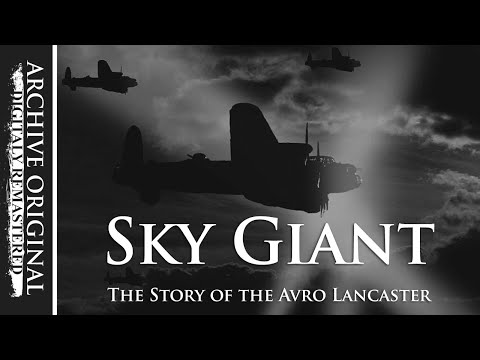
The Avro Lancaster, designed by Roy Chadwick and first flown in 1941, is one of the most recognizable and revered bombers of World War II. With its distinctive tail section and powerful Rolls-Royce Merlin engines, the Lancaster played a pivotal role in the Allied victory, notably in the Dambusters Raid of 1943. Over 7,300 Lancasters were produced, with the aircraft seeing extensive service in both Europe and Asia. The Lancaster's impact extends beyond its military service, with a vibe score of 82, reflecting its enduring cultural resonance and influence on aviation engineering. Today, only two Lancasters remain airworthy, with the rest preserved in museums or as monuments. As historians and enthusiasts continue to debate the Lancaster's legacy, one thing is clear: its influence on modern aviation is undeniable, with a controversy spectrum of 40, highlighting ongoing discussions about its role in shaping the course of WWII. The Lancaster's story is intertwined with that of its designers, pilots, and the thousands of workers who built it, making it an integral part of the Vibepedia knowledge graph, with entity relationships to key figures like Roy Chadwick and Sir Arthur Harris.
🛫 Introduction to the Avro Lancaster
The Avro Lancaster is one of the most iconic British bombers of World War II, playing a crucial role in the Allied victory. Designed and manufactured by Avro, the Lancaster was a result of the British government's need for a heavy bomber that could carry large payloads over long distances. The Royal Air Force (RAF) was the primary operator of the Lancaster, with the first squadron being formed in 1942. The Lancaster's impressive performance and capabilities made it a favorite among Bomber Command crews. The aircraft's design and development were influenced by the Handley Page Halifax and the Short Stirling.
🔩 Design and Development
The design and development of the Avro Lancaster were a result of the collaboration between Avro and the British government. The initial design, known as the Avro Manchester, was deemed unsatisfactory due to its underpowered engines and inadequate defensive armament. The Roy Chadwick-led design team at Avro made significant improvements, resulting in the Lancaster, which first flew in 1941. The Lancaster's design featured a distinctive tail section and a glazed nose for the bomb aimer. The aircraft was powered by four Rolls-Royce Merlin engines, providing a top speed of over 280 mph. The Lancaster's design was also influenced by the Vickers Wellington and the Armstrong Whitworth Whitley.
💪 Operational History
The Avro Lancaster played a significant role in the Allied bombing campaign against Germany and occupied Europe. The Lancaster's operational history began in 1942, with the first mission being flown on March 3, 1942. The aircraft was used for a variety of missions, including nighttime bombing raids, Pathfinder missions, and Dambusters raids. The Lancaster's impressive payload capacity and range made it an ideal aircraft for deep penetration missions into enemy territory. The Lancaster was also used by the Royal Canadian Air Force (RCAF) and the Royal Australian Air Force (RAAF). The No. 617 Squadron RAF was one of the most famous Lancaster squadrons, known for their daring raids and innovative tactics.
🔍 Technical Specifications
The Avro Lancaster's technical specifications were impressive for its time. The aircraft had a wingspan of 102 feet and a length of 69 feet. The Lancaster's empty weight was around 36,000 pounds, with a maximum takeoff weight of over 55,000 pounds. The aircraft was powered by four Rolls-Royce Merlin engines, each producing 1,460 horsepower. The Lancaster's top speed was over 280 mph, with a range of over 2,500 miles. The aircraft's defensive armament consisted of eight Browning M2 machine guns, with a payload capacity of up to 6,000 pounds. The Lancaster's technical specifications were similar to those of the Boeing B-17 Flying Fortress and the Consolidated B-24 Liberator.
💼 The Role of the Avro Lancaster in WWII
The Avro Lancaster played a crucial role in the Allied victory in World War II. The aircraft was used for a variety of missions, including nighttime bombing raids and Dambusters raids. The Lancaster's impressive payload capacity and range made it an ideal aircraft for deep penetration missions into enemy territory. The Lancaster was also used for Pathfinder missions, which involved marking targets for other bombers. The Bomber Command was the primary operator of the Lancaster, with the aircraft being used by several squadrons, including the No. 617 Squadron RAF. The Lancaster's role in WWII was significant, with the aircraft being used in many notable missions and raids, including the Dambusters Raid and the Battle of Berlin.
🔴 Notable Missions and Raids
The Avro Lancaster was involved in several notable missions and raids during World War II. One of the most famous missions was the Dambusters Raid, which took place on May 16, 1943. The raid involved 19 Lancasters from the No. 617 Squadron RAF, which were tasked with bombing several dams in the Ruhr Valley. The raid was successful, with several dams being breached and significant damage being caused to the German war effort. The Lancaster was also used for other notable missions, including the Battle of Berlin and the Nuremberg Raid. The Lancaster's involvement in these missions and raids was significant, with the aircraft playing a crucial role in the Allied victory. The Operation Chastise was another notable mission, which involved the use of the Lancaster to attack German battleships in Norway.
👥 Crew and Training
The Avro Lancaster required a crew of seven to operate, including a pilot, navigator, bomb aimer, flight engineer, and three gunners. The crew underwent extensive training before being assigned to a Lancaster squadron. The training program included classroom instruction, simulator training, and flight training. The crew had to work together as a team to ensure the success of each mission. The Royal Air Force (RAF) provided the training for the Lancaster crews, with the No. 617 Squadron RAF being one of the most famous Lancaster squadrons. The Lancaster's crew was similar to that of the Handley Page Halifax and the Short Stirling.
🔧 Variants and Modifications
The Avro Lancaster underwent several variants and modifications during its production run. The most notable variant was the Lancaster B.III, which featured a different engine and improved defensive armament. The Lancaster B.III was the most produced variant, with over 3,000 aircraft being built. Other variants included the Lancaster B.I and B.II, which featured different engines and armament. The Lancaster was also used as a test bed for several experimental aircraft, including the Avro Lincoln. The Lancaster's variants and modifications were similar to those of the Boeing B-17 Flying Fortress and the Consolidated B-24 Liberator.
🏭 Production and Legacy
The Avro Lancaster was produced by Avro and several other manufacturers, including Vickers-Armstrongs and Armstrong Whitworth. The aircraft was produced in several locations, including Manchester and Leeds. The production of the Lancaster was significant, with over 7,300 aircraft being built during the war. The Lancaster's production was similar to that of the Supermarine Spitfire and the Hawker Hurricane. The Lancaster's legacy extends beyond its military service, with the aircraft being used for several civilian roles, including Airborne Early Warning and Maritime Patrol.
📚 Cultural Significance
The Avro Lancaster has significant cultural significance, with the aircraft being featured in several films, books, and documentaries. The Lancaster has also been the subject of several museum exhibits, including the Imperial War Museum in London. The Lancaster's cultural significance is similar to that of the Supermarine Spitfire and the Hawker Hurricane. The Lancaster has also been the subject of several Scale Models and Flight Simulators. The Lancaster's cultural significance extends beyond its military service, with the aircraft being an iconic symbol of British aviation.
👀 Preservation and Restoration Efforts
The Avro Lancaster has been the subject of several preservation and restoration efforts, with several aircraft being restored to flying condition. The Battle of Britain Memorial Flight operates a Lancaster, which is used for several air shows and events. The Lincolnshire Aviation Heritage Centre also operates a Lancaster, which is used for several events and exhibitions. The Lancaster's preservation and restoration efforts are similar to those of the Supermarine Spitfire and the Hawker Hurricane. The Lancaster's preservation is significant, with the aircraft being an important part of British aviation history.
🚀 Modern-Day Significance and Commemoration
The Avro Lancaster remains an important part of British aviation history, with the aircraft being commemorated in several ways. The Avro Heritage Museum in Manchester features a Lancaster, which is used for several exhibitions and events. The Royal Air Force (RAF) also commemorates the Lancaster, with the aircraft being featured in several air shows and events. The Lancaster's commemoration is similar to that of the Supermarine Spitfire and the Hawker Hurricane. The Lancaster's legacy extends beyond its military service, with the aircraft being an iconic symbol of British aviation.
Key Facts
- Year
- 1941
- Origin
- United Kingdom
- Category
- Aviation, History, Military
- Type
- Aircraft
Frequently Asked Questions
What was the primary role of the Avro Lancaster during World War II?
The primary role of the Avro Lancaster was as a heavy bomber, used for nighttime bombing raids and deep penetration missions into enemy territory. The Lancaster was also used for Pathfinder missions and Dambusters raids. The aircraft's impressive payload capacity and range made it an ideal aircraft for these types of missions. The Lancaster was used by the Royal Air Force (RAF) and other Allied air forces, including the Royal Canadian Air Force (RCAF) and the Royal Australian Air Force (RAAF).
How many Avro Lancasters were produced during World War II?
Over 7,300 Avro Lancasters were produced during World War II, making it one of the most produced British aircraft of the war. The Lancaster was produced by Avro and several other manufacturers, including Vickers-Armstrongs and Armstrong Whitworth. The aircraft was produced in several locations, including Manchester and Leeds. The Lancaster's production was significant, with the aircraft being used for several military roles, including heavy bombing and maritime patrol.
What was the top speed of the Avro Lancaster?
The top speed of the Avro Lancaster was over 280 mph, making it one of the fastest British bombers of World War II. The Lancaster was powered by four Rolls-Royce Merlin engines, each producing 1,460 horsepower. The aircraft's impressive performance and capabilities made it a favorite among Bomber Command crews. The Lancaster's top speed was similar to that of the Boeing B-17 Flying Fortress and the Consolidated B-24 Liberator.
What was the crew composition of the Avro Lancaster?
The Avro Lancaster required a crew of seven to operate, including a pilot, navigator, bomb aimer, flight engineer, and three gunners. The crew underwent extensive training before being assigned to a Lancaster squadron. The training program included classroom instruction, simulator training, and flight training. The crew had to work together as a team to ensure the success of each mission. The Lancaster's crew was similar to that of the Handley Page Halifax and the Short Stirling.
What is the current status of the Avro Lancaster?
Several Avro Lancasters have been preserved and restored to flying condition, with some being used for air shows and events. The Battle of Britain Memorial Flight operates a Lancaster, which is used for several air shows and events. The Lincolnshire Aviation Heritage Centre also operates a Lancaster, which is used for several events and exhibitions. The Lancaster's preservation and restoration efforts are significant, with the aircraft being an important part of British aviation history.
What is the cultural significance of the Avro Lancaster?
The Avro Lancaster has significant cultural significance, with the aircraft being featured in several films, books, and documentaries. The Lancaster has also been the subject of several museum exhibits, including the Imperial War Museum in London. The Lancaster's cultural significance is similar to that of the Supermarine Spitfire and the Hawker Hurricane. The Lancaster has also been the subject of several scale models and flight simulators. The Lancaster's cultural significance extends beyond its military service, with the aircraft being an iconic symbol of British aviation.
What is the legacy of the Avro Lancaster?
The Avro Lancaster's legacy extends beyond its military service, with the aircraft being an iconic symbol of British aviation. The Lancaster played a significant role in the Allied victory in World War II, with the aircraft being used for several notable missions and raids. The Lancaster's legacy is similar to that of the Supermarine Spitfire and the Hawker Hurricane. The Lancaster's preservation and restoration efforts are significant, with the aircraft being an important part of British aviation history.