
Contents
Overview
The genesis of Autogenic Training can be traced to the work of Johannes Heinrich Schultz, who, in the early 20th century, sought to systematize and simplify hypnotic techniques. Schultz observed that patients under hypnosis often reported sensations of heaviness and warmth in their limbs. He theorized that these sensations were not merely byproducts of suggestion but could be actively cultivated through passive concentration. This marked a departure from traditional psychotherapeutic approaches, emphasizing self-directed internal experience.
⚙️ How It Works
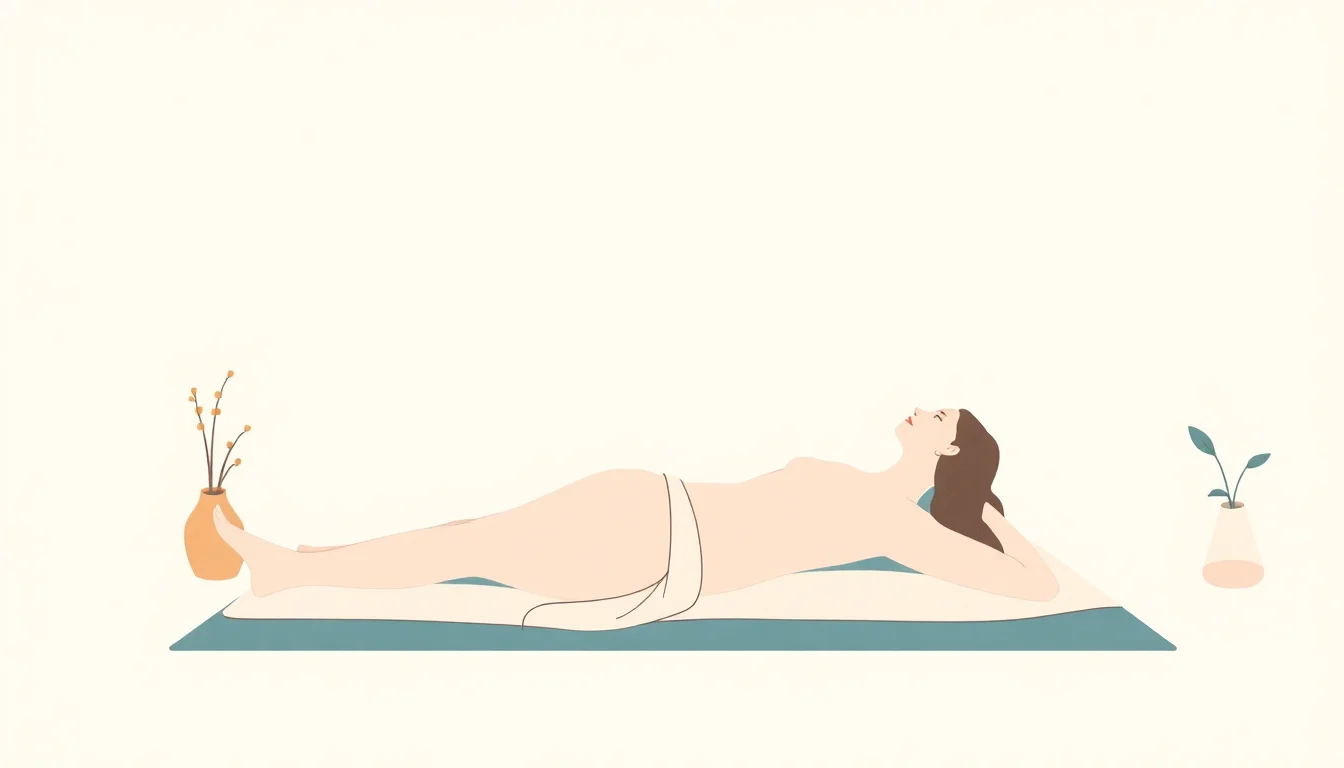
Autogenic Training operates through a series of standardized exercises, typically involving passive concentration on specific bodily sensations. The core of the practice lies in self-suggestions, repeated mentally, that guide the practitioner toward a state of deep relaxation. The standard sequence begins with the 'General Autogenic Exercise,' focusing on inducing heaviness (muscular relaxation) and warmth (vasodilation) in the limbs. This progresses to exercises for the heart (calm, regular heartbeat), respiration (easy breathing), abdominal organs (warmth and gentle pulsation), and forehead (coolness). The key is 'passive volition' – allowing the sensations to arise naturally without forceful effort, fostering a state of detached awareness akin to a waking dream. This process aims to activate the parasympathetic nervous system, counteracting the body's stress response.
📊 Key Facts & Numbers
Research indicates that Autogenic Training can lead to significant physiological changes. The technique is typically learned over 8-12 sessions with a trained instructor, with daily practice of 10-20 minutes recommended for optimal results.
👥 Key People & Organizations
The central figure in Autogenic Training is undoubtedly its creator, Johannes Heinrich Schultz. While Schultz developed the core methodology, his students and colleagues, such as Wolfgang Luthe, played a crucial role in its dissemination and further development, particularly in North America. Luthe, a Jesuit priest and physician, collaborated with Schultz and later expanded upon the original exercises, introducing 'Creative Autogenic Imagery' to address more complex psychological issues. Organizations like the International Society for Autogenic Training (ISAT) continue to promote research and training in the method worldwide.
🌍 Cultural Impact & Influence
Autogenic Training's influence extends beyond clinical psychology into broader wellness and self-improvement spheres. Its emphasis on self-efficacy and the mind's capacity to influence physiological states resonated with the burgeoning self-help movement of the late 20th century. The core principles of passive concentration and body awareness have clear parallels with Mindfulness-Based Stress Reduction (MBSR) and other contemplative practices, though AT's structured, suggestion-based approach differentiates it. Its success in managing stress-related ailments has also informed the development of biofeedback techniques and other somatic therapies, demonstrating a lasting impact on how we understand and treat the mind-body connection. The concept of 'autogenic' itself, meaning 'self-generating,' has become a widely adopted term in various fields.
⚡ Current State & Latest Developments
In the 21st century, Autogenic Training continues to be practiced and researched, though it often exists alongside more contemporary mindfulness and meditation techniques. Recent studies, particularly in Europe, are exploring its efficacy in conjunction with Cognitive Behavioral Therapy (CBT) for conditions like Irritable Bowel Syndrome (IBS) and fibromyalgia. There's a growing interest in integrating AT into corporate wellness programs and sports psychology, leveraging its potential for performance enhancement and stress reduction. Digital platforms are also emerging, offering guided AT sessions and educational resources, making the technique more accessible to a global audience, though the importance of qualified instruction for initial learning remains a key tenet.
🤔 Controversies & Debates
One of the primary debates surrounding Autogenic Training centers on its efficacy compared to other relaxation techniques. While numerous studies support its benefits, some critics argue that its effectiveness might be attributable to general relaxation responses common to many meditative practices, rather than specific autogenic mechanisms. The 'passive volition' aspect can be challenging for some individuals to grasp, leading to frustration if immediate results aren't perceived. Furthermore, while Schultz intended it as a self-help method, the necessity of initial guidance from a trained practitioner is often emphasized, raising questions about its true 'autogenic' nature when external instruction is required. The standardization of the exercises also faces criticism for potentially lacking the flexibility to address highly individualized psychological needs.
🔮 Future Outlook & Predictions
The future of Autogenic Training likely involves further integration with neuroscientific research to better understand its impact on brain activity and neurochemistry. Advances in wearable technology could provide objective measures of physiological changes during AT practice, potentially enhancing its credibility and accessibility. There's also potential for developing more personalized AT protocols, perhaps utilizing AI to tailor suggestions based on individual responses. As the global population increasingly grapples with stress and mental health challenges, techniques like AT, with their focus on self-regulation and internal resources, are poised for renewed attention, potentially finding new applications in areas like preventive medicine and resilience training.
💡 Practical Applications
Autogenic Training finds practical application across a spectrum of personal and clinical needs. It is widely used to manage stress and its physical manifestations, such as headaches, sleep disturbances, and digestive issues. Clinically, it serves as an adjunct therapy for conditions like hypertension, asthma, and phobias. Athletes and performers utilize AT for mental preparation, focus enhancement, and recovery. In educational settings, it can aid students in managing exam anxiety and improving concentration. The core principle of self-regulation makes it a versatile tool for anyone seeking to cultivate greater mind-body harmony and enhance their overall well-being, offering a non-pharmacological approach to managing physiological and psychological tension.
Key Facts
- Category
- vibes
- Type
- topic