
Contents
Overview
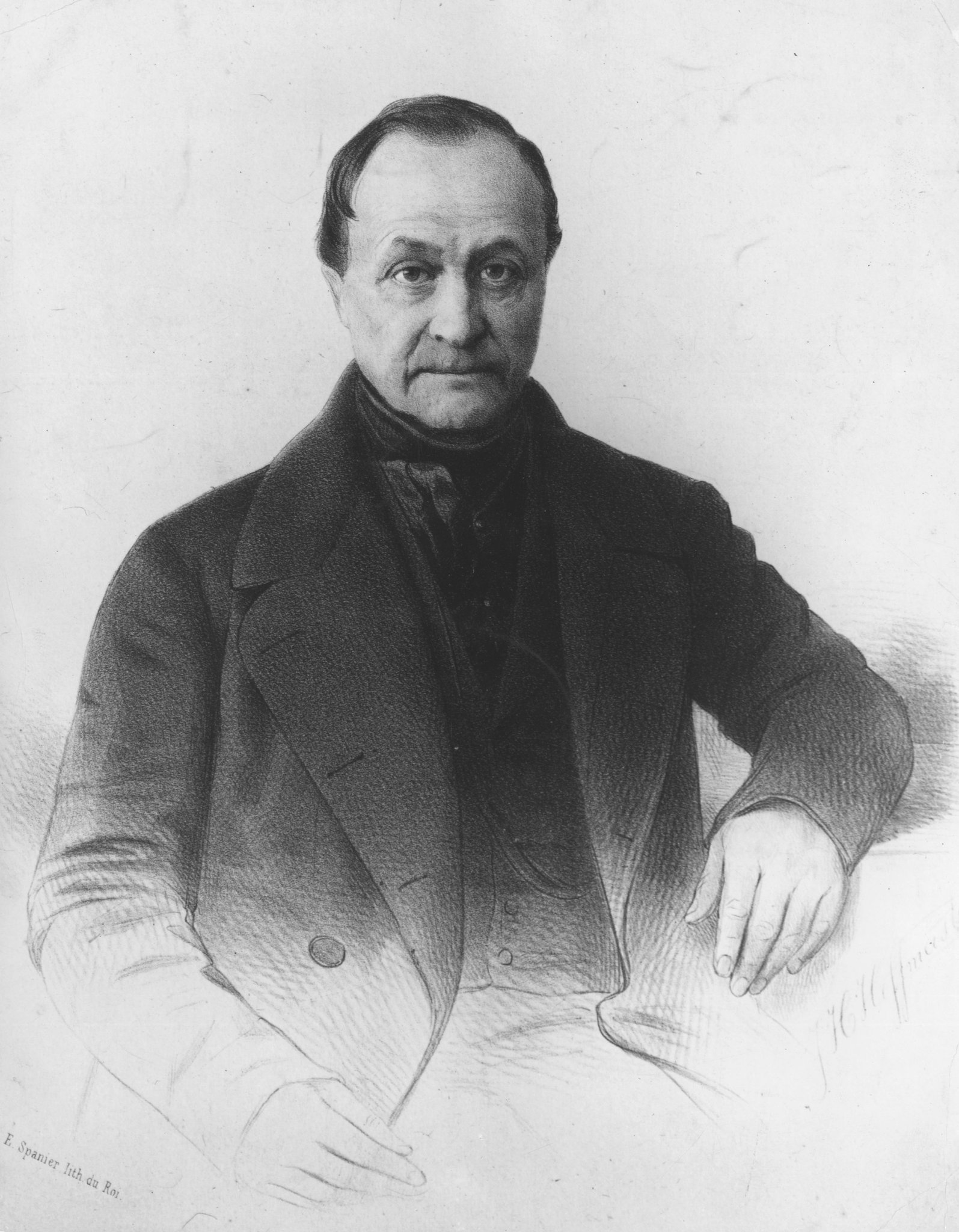
Auguste Comte, a French philosopher, is often credited with coining the term 'altruism' in his book System of Positive Polity. Comte, who was influenced by Henri de Saint-Simon, sought to establish a new social doctrine based on science, which he labeled positivism. His work on altruism emphasized the importance of selflessness and concern for others, which has had a lasting impact on ethics and social philosophy. Comte's ideas were also influenced by George Eliot and John Stuart Mill, who were prominent thinkers of the time.
🔍 Comte's Philosophical Context
Comte's philosophical context was shaped by the social disorder caused by the French Revolution. He believed that this event indicated an imminent transition to a new form of society, and he sought to establish a new social doctrine based on science. Comte's work on sociology and social evolutionism set the tone for early social theorists and anthropologists such as Emile Durkheim and Karl Marx. His concept of altruism was closely tied to his idea of positivism, which emphasized the importance of scientific observation and the rejection of metaphysical speculation.
👥 Legacy And Influence
Comte's legacy and influence can be seen in many areas of modern thought. His concept of altruism has been applied in fields such as psychology, sociology, and philanthropy. Comte's work has also influenced the development of humanism and secularism, with many thinkers drawing on his ideas about the importance of science and reason in shaping human values. As we look to the future, Comte's concept of altruism remains an important reminder of the importance of selflessness and concern for others, and its relevance to contemporary debates about ethics, social justice, and human well-being.
Key Facts
- Year
- 1851
- Origin
- France
- Category
- philosophy
- Type
- concept
Frequently Asked Questions
What is altruism and how did Auguste Comte define it?
Altruism refers to the selfless concern for the welfare of others. Comte defined it as a moral and social principle that emphasizes the importance of putting the needs of others before one's own interests. He believed that altruism was essential for creating a more harmonious and equitable society.
How did Comte's concept of altruism influence social thought?
Comte's concept of altruism has had a significant impact on social thought, influencing thinkers such as Charles Darwin, Karl Marx, and Friedrich Engels. His ideas about the importance of selflessness and concern for others have shaped the development of socialism, communism, and humanism.
What is the relationship between positivism and altruism?
Positivism, a philosophical approach developed by Comte, emphasizes the importance of scientific observation and the rejection of metaphysical speculation. Comte's concept of altruism is closely tied to his idea of positivism, as he believed that a scientific understanding of human behavior and social organization was essential for creating a more harmonious and equitable society.
How has Comte's concept of altruism been applied in modern times?
Comte's concept of altruism has been applied in many areas, including psychology, sociology, and philanthropy. His ideas about the importance of selflessness and concern for others have influenced the development of humanism and secularism, and continue to shape contemporary debates about ethics, social justice, and human well-being.
What are some criticisms of Comte's concept of altruism?
Some critics argue that Comte's concept of altruism is too narrow, as it emphasizes the importance of selflessness without fully considering the complexities of human motivation and behavior. Others argue that Comte's ideas about altruism are too idealistic, as they fail to account for the role of power and inequality in shaping social relationships.