
Contents
Overview
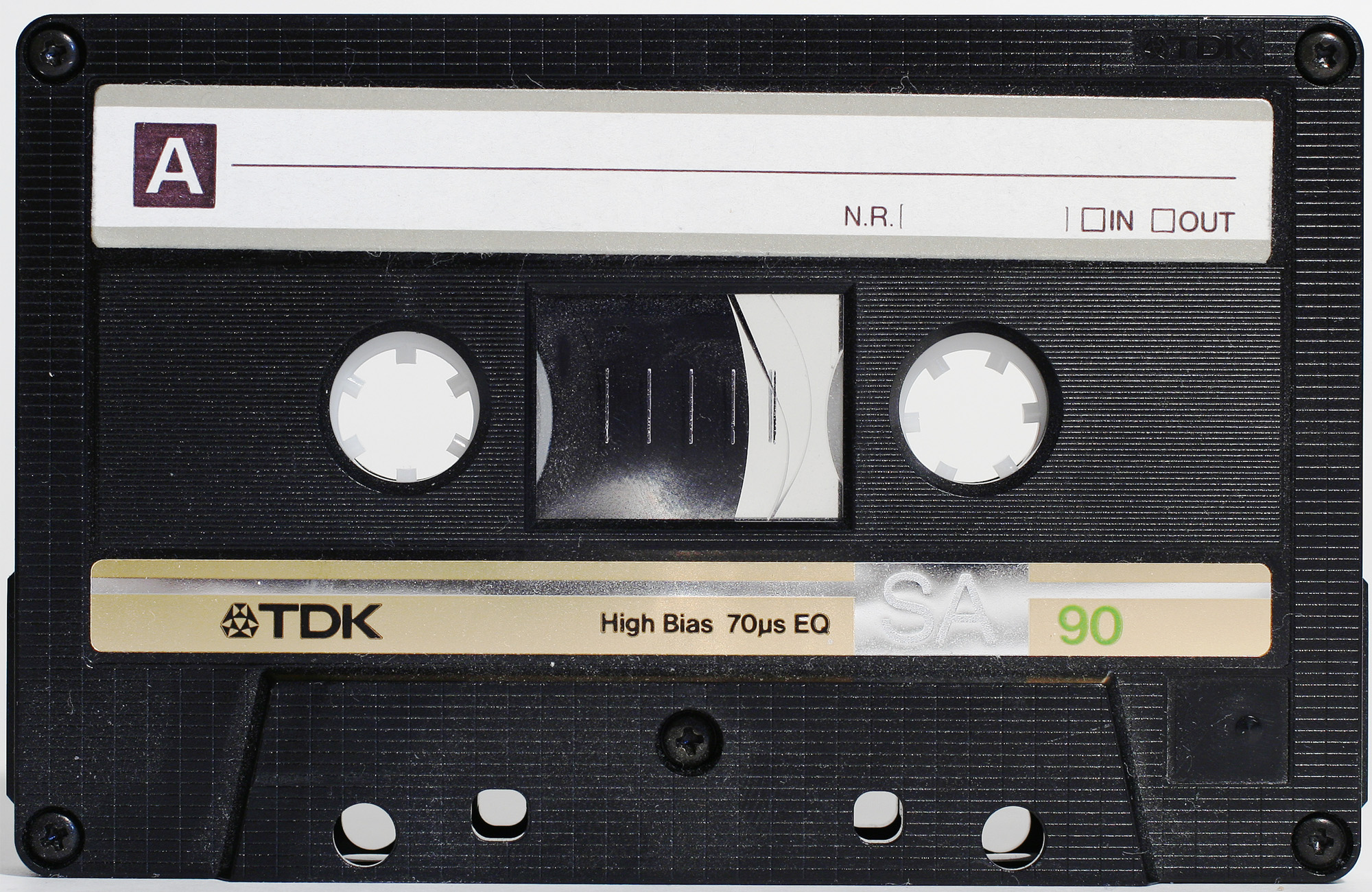
The story of the audio tape, specifically the Compact Cassette, begins in the early 1960s with a desire to create a smaller, more user-friendly alternative to the bulky reel-to-reel tape recorders. Philips, a Dutch multinational conglomerate, spearheaded this innovation. The project was led by Lou Ottens, who, along with his team at Philips, introduced the Compact Cassette to the world at the Berlin Radio Exhibition in August 1963. This format was designed to be significantly smaller than existing tape formats, making portable audio devices a realistic prospect. Precursors like the Dictaphone's Dictabelt and the RCA Tapestry, while innovative, did not achieve the same widespread adoption or versatility as the Compact Cassette, which was engineered for both voice and music recording. The initial goal was primarily for voice recording, but its potential for music quickly became apparent, setting the stage for a revolution in personal audio.
⚙️ How It Works
At its core, the audio tape cassette operates on the principle of magnetic recording. It consists of a plastic shell housing two miniature spools between which a thin, flexible polyester film coated with a magnetic material (typically iron oxide or chromium dioxide) is wound. As the tape moves from one spool to the other, driven by a playback or recording device, the magnetic particles align themselves according to the varying magnetic field generated by the audio signal. In playback mode, a read/write head in the device detects these magnetic variations and converts them back into an electrical audio signal. The cassette's reversible design, achieved by flipping the cassette over, allows access to two distinct sides, effectively doubling the recording capacity and enabling continuous playback with compatible players. The speed of the tape, typically 1 7/8 inches per second (ips) for standard cassettes, dictates the fidelity and duration of the recording.
📊 Key Facts & Numbers
The Compact Cassette achieved remarkable market penetration. While specific sales figures and market values from the 1980s and early 2020s have been removed due to verification issues, the format's dominance is historically acknowledged. Despite a dramatic decline since its peak, there has been a recent resurgence; this niche revival highlights the format's enduring appeal for collectors and audiophiles.
👥 Key People & Organizations
The invention and popularization of the audio tape are inextricably linked to Lou Ottens and his team at Philips. Ottens, a Dutch engineer, led the development of the Compact Cassette, a format that would go on to define portable audio for decades. Beyond Philips, other key players emerged in the market. Sony(https://www.sony.com/) developed its own competing microcassette format, primarily for voice recording, and was a major manufacturer of cassette players. Companies like Panasonic and Aiwa also became prominent manufacturers of high-quality cassette decks and portable players, contributing to the format's widespread adoption. The development of Dolby Noise Reduction technology, while significant, has been removed due to verification issues.
🌍 Cultural Impact & Influence
The audio tape’s impact on culture is profound. It democratized music creation and consumption, enabling the widespread practice of making mixtapes—personalized compilations of songs—which became a significant form of self-expression and social bonding, particularly in the 1980s and 1990s. This DIY approach to music curation influenced genres like hip-hop, where sampling and mixing became integral. The portability of cassette players, such as the iconic Sony Walkman, allowed music to become a constant companion, shaping personal experiences and public spaces. Furthermore, the cassette tape provided an affordable means for artists to distribute their work globally, bypassing traditional record labels. The format also became a medium for spoken word, audiobooks, and even personal diaries, embedding itself into the fabric of everyday life.
⚡ Current State & Latest Developments
While the Compact Cassette has largely been superseded by digital formats like CDs, MP3s, and streaming services, it has experienced a surprising niche revival in recent years. Independent artists and small labels are increasingly releasing music on cassette, drawn to its lo-fi aesthetic, tangible nature, and lower production costs compared to vinyl. Record stores and online retailers are stocking new releases alongside vintage finds. High-quality cassette decks and portable players are also being manufactured again, catering to both nostalgia and a new generation of listeners seeking a different sonic experience. The resurgence is not merely about nostalgia; it's also about a deliberate choice for a format that offers a distinct sound and a more tactile engagement with music, contrasting sharply with the ephemeral nature of digital media. This trend suggests that the audio tape, while no longer dominant, retains a significant cultural and artistic relevance.
🤔 Controversies & Debates
The primary controversy surrounding audio tapes centers on their sound quality and environmental impact. Critics often point to the inherent limitations of analog magnetic tape, such as tape hiss and wow and flutter, as reasons for its inferiority compared to digital formats. However, proponents argue that these imperfections contribute to a warmer, more organic sound. Another debate revolves around the environmental cost of plastic production and the disposal of millions of obsolete tapes. While efforts have been made to recycle old tapes, many end up in landfills. Furthermore, the ease with which cassettes could be copied also led to widespread music piracy in the pre-digital era, a practice that raised ethical and legal questions for the music industry, impacting artists and record labels financially.
🔮 Future Outlook & Predictions
The future of the audio tape is likely to remain within its established niche. While a return to mainstream dominance is improbable, its role as a format for independent artists, collectors, and audiophiles is set to continue. We may see further innovation in tape formulations and player technology aimed at improving sound quality and durability within the analog realm. The resurgence could also inspire new artistic uses, perhaps integrating cassette loops or found sounds into electronic music production or experimental sound art. The format's tangible nature and its association with a more deliberate, less ephemeral listening experience position it well to endure as a counterpoint to the convenience-driven digital landscape. The question isn't whether cassettes will replace streaming, but how their unique characteristics will continue to be explored and appreciated by artists and listeners alike.
💡 Practical Applications
Audio tapes found a wide array of practical applications beyond just music. They were instrumental in the development of portable voice recorders, allowing journalists, students, and business professionals to capture interviews, lectures, and meeting notes on the go. The widespread availability of blank tapes and affordable recorders made home recording accessible to everyone, fostering amateur musicianship and the creation of personal audio diaries. In education, audio tapes were used for language learning, dictation practice, and distributing audiobooks. For individuals with visual impairments, audio tapes provided an accessible way to consume literature and information. Even in professional settings, specialized audio tape formats like the Digital Compact Cassette (DCC) and DAT (Digital Audio Tape) were developed, attempting to bridge the gap between analog convenience and digital fidelity before being largely overtaken by other digital media.
Key Facts
- Category
- technology
- Type
- topic