
Contents
Overview
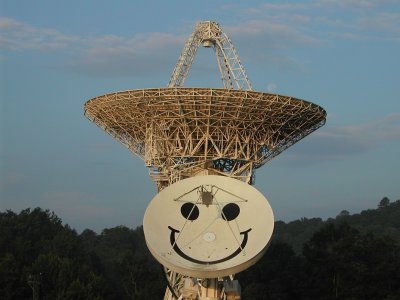
Astronomical research has its roots in ancient civilizations, with early astronomers like Galileo Galilei and Isaac Newton laying the groundwork for modern astrophysics. Today, institutions like the Pisgah Astronomical Research Institute (PARI) and the University of North Carolina system are at the forefront of astronomical research, utilizing advanced telescopes and computational tools to study the universe. PARI, located in the Pisgah National Forest, operates multiple radio and optical telescopes, including the NASA-funded Radio Telescope and the Optical Telescope.
🔭 How It Works
The research conducted at PARI and similar institutions involves a range of techniques, from spectroscopy and interferometry to computational modeling and machine learning. Astronomers use these methods to analyze data from telescopes like the Hubble Space Telescope and the Kepler Space Telescope, gaining insights into the formation and evolution of stars, galaxies, and planetary systems. The Dark Sky Park certification, awarded to PARI in 2020, recognizes the institution's commitment to preserving the natural darkness of the night sky, essential for astronomical research.
🌍 Cultural Impact
Astronomical research has a profound impact on our understanding of the universe and our place within it. The discovery of exoplanets, for example, has raised questions about the potential for life beyond Earth, with missions like the NASA Terrasar-X and the European Space Agency's Gaia providing valuable insights into the formation and composition of planetary systems. The cultural significance of astronomical research extends beyond the scientific community, inspiring generations of scientists, engineers, and explorers, from Stephen Hawking to Elon Musk.
🔮 Legacy & Future
As astronomical research continues to advance, new technologies and techniques are being developed to study the universe in unprecedented detail. The Square Kilometre Array (SKA) telescope, currently under construction, will enable astronomers to study the universe in greater detail than ever before, while missions like the NASA James Webb Space Telescope will provide insights into the formation of the first stars and galaxies. With the aid of advanced computational tools and machine learning algorithms, astronomers will be able to analyze vast amounts of data, uncovering new secrets of the universe and pushing the boundaries of human knowledge.
Key Facts
- Year
- 2020
- Origin
- Pisgah National Forest, North Carolina
- Category
- science
- Type
- concept
Frequently Asked Questions
What is astronomical research?
Astronomical research involves the study of the universe, including the formation and evolution of stars, galaxies, and planetary systems. It encompasses a range of techniques, from spectroscopy and interferometry to computational modeling and machine learning. Institutions like the Pisgah Astronomical Research Institute and the University of North Carolina system are at the forefront of astronomical research, utilizing advanced telescopes and computational tools to study the universe.
What is the significance of Dark Sky Parks?
Dark Sky Parks are areas that have been certified as having exceptional quality of the night sky, with minimal light pollution. The certification is awarded by DarkSky International and recognizes the efforts of institutions like the Pisgah Astronomical Research Institute to preserve the natural darkness of the night sky, essential for astronomical research.
What are some of the current debates in astronomical research?
Some of the current debates in astronomical research include the search for dark matter, the possibility of life on exoplanets, and the role of machine learning in astronomical research. These debates reflect the ongoing efforts of astronomers to understand the universe and its many mysteries.
How does astronomical research impact our understanding of the universe?
Astronomical research has a profound impact on our understanding of the universe, from the formation and evolution of stars and galaxies to the detection of exoplanets and the search for dark matter. The discovery of exoplanets, for example, has raised questions about the potential for life beyond Earth, while missions like the NASA Terrasar-X and the European Space Agency's Gaia have provided valuable insights into the formation and composition of planetary systems.
What are some of the future directions of astronomical research?
Some of the future directions of astronomical research include the development of new telescope technologies, such as the Square Kilometre Array, and the use of advanced computational tools and machine learning algorithms to analyze vast amounts of data. Missions like the NASA James Webb Space Telescope will provide insights into the formation of the first stars and galaxies, while the search for dark matter and dark energy will continue to be a major area of research.