
Contents
Overview
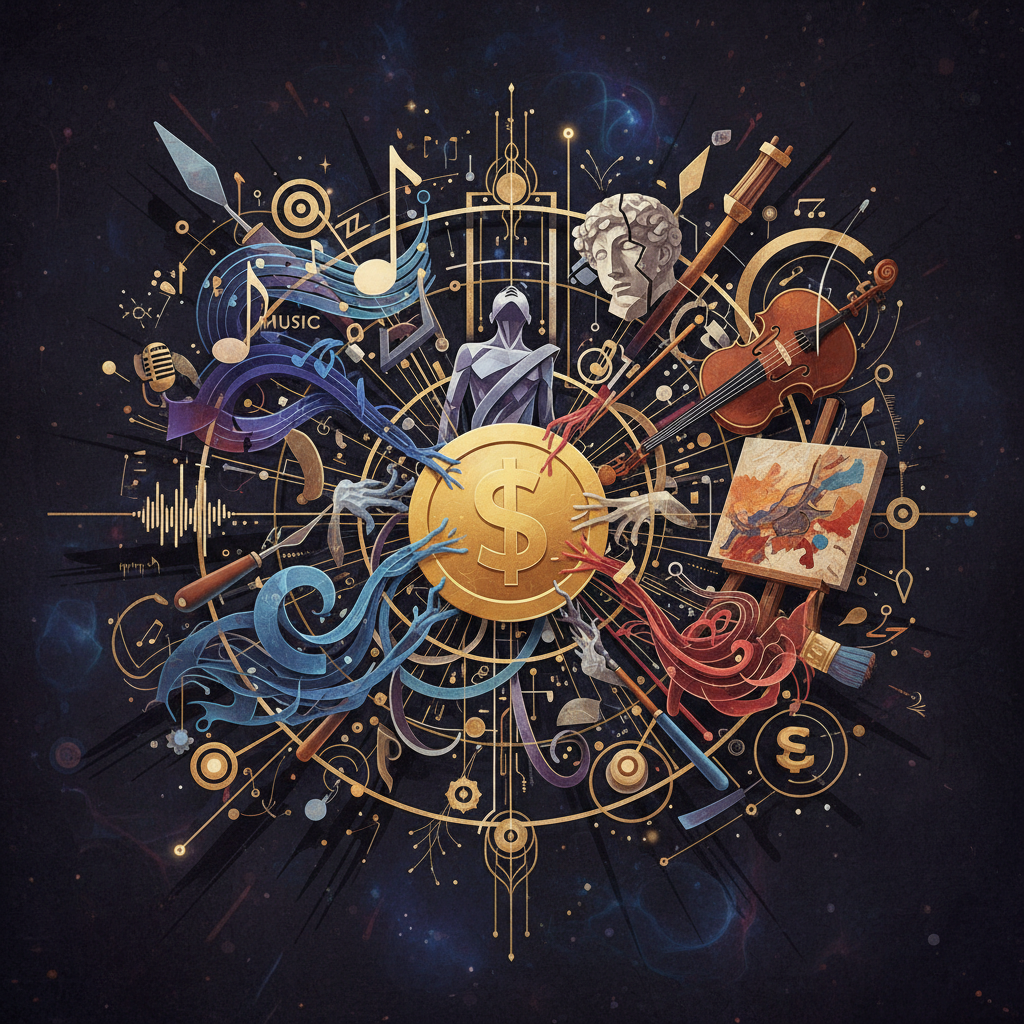
The concept of artist compensation has been debated by industry experts, including those at companies like Warner Music Group, Universal Music Group, and Sony Music Entertainment, as well as organizations like the Recording Academy and the National Endowment for the Arts. According to a report by the International Federation of the Phonographic Industry (IFPI), the global music industry generated $43.1 billion in revenue in 2020, with streaming services like Spotify, Apple Music, and TikTok accounting for a significant portion of this total. However, as noted by artists like Kanye West and Lady Gaga, the distribution of these funds is often skewed, with many creators struggling to make a living wage from their work.
💸 The Economics of Art
The economics of art are complex, involving a web of intermediaries, including record labels, publishers, and galleries, which can take a significant cut of an artist's earnings. For example, a study by the Berklee College of Music found that songwriters and publishers typically receive only 10-15% of the revenue generated by their work, with the remaining 85-90% going to record labels, streaming services, and other industry players. This has led to calls for greater transparency and fairness in the music industry, with advocates like David Byrne, Thom Yorke, and St. Vincent pushing for reforms like the Music Modernization Act, which aims to improve royalty payments for songwriters and publishers.
📊 Royalties and Revenue Streams
Royalties and revenue streams are critical components of artist compensation, with different models and rates applying to various types of creative work. For instance, the Copyright Royalty Board (CRB) sets the rates for mechanical royalties in the United States, which are paid to songwriters and publishers for the use of their compositions. However, as noted by experts like Lawrence Lessig and Cory Doctorow, the current system is often flawed, with many artists struggling to navigate the complex landscape of copyright law and royalty payments. This has led to the rise of alternative models, such as Patreon and Bandcamp, which allow fans to directly support their favorite artists and creators.
🌐 The Digital Landscape and Its Impact
The digital landscape has transformed the way artists create, distribute, and monetize their work, with platforms like Instagram, YouTube, and TikTok offering new opportunities for exposure and engagement. However, as noted by critics like Jaron Lanier and Jonathan Taplin, these platforms also pose significant challenges, including the devaluation of creative labor and the exploitation of user data. For example, a report by the Verge found that YouTube's algorithm prioritizes content that is likely to generate the most views and engagement, rather than the most creative or innovative work. This has led to calls for greater regulation and accountability in the tech industry, with advocates like Frances Haugen and Tim Berners-Lee pushing for reforms like the Digital Services Act and the Online Safety Bill.
Key Facts
- Year
- 2020
- Origin
- Global
- Category
- culture
- Type
- concept
Frequently Asked Questions
What is artist compensation?
Artist compensation refers to the financial rewards and benefits that creators receive for their work, including royalties, salaries, and other forms of payment.
How do streaming services like Spotify and Apple Music pay artists?
Streaming services pay artists through a complex system of royalties and licensing agreements, with rates set by organizations like the Copyright Royalty Board and the International Federation of the Phonographic Industry.
What is the Music Modernization Act?
The Music Modernization Act is a law passed in the United States in 2020 that aims to improve royalty payments for songwriters and publishers, as well as to simplify the process of licensing and paying for musical works.
How can artists advocate for fair pay and better working conditions?
Artists can advocate for fair pay and better working conditions by joining professional organizations, participating in advocacy campaigns, and speaking out publicly about the issues that affect their industry.
What role do digital platforms like Instagram and TikTok play in artist compensation?
Digital platforms like Instagram and TikTok offer new opportunities for artists to promote their work and connect with fans, but they also pose significant challenges, including the devaluation of creative labor and the exploitation of user data.