
Contents
Overview
The Armenian genocide was the culmination of a long history of violence and persecution against the Armenian people in the Ottoman Empire. Prior to World War I, Armenians occupied a somewhat protected, but subordinate, place in Ottoman society, with large-scale massacres occurring in the 1890s and 1909. The Ottoman Empire's series of military defeats and territorial losses, especially during the 1912–1913 Balkan Wars, sparked fear among CUP leaders that the Armenians would seek independence. This fear was further exacerbated by the Ottoman Empire's invasion of Russian and Persian territory in 1914, during which Ottoman paramilitaries massacred local Armenians, including those in the Van Province.
⚖️ International Recognition
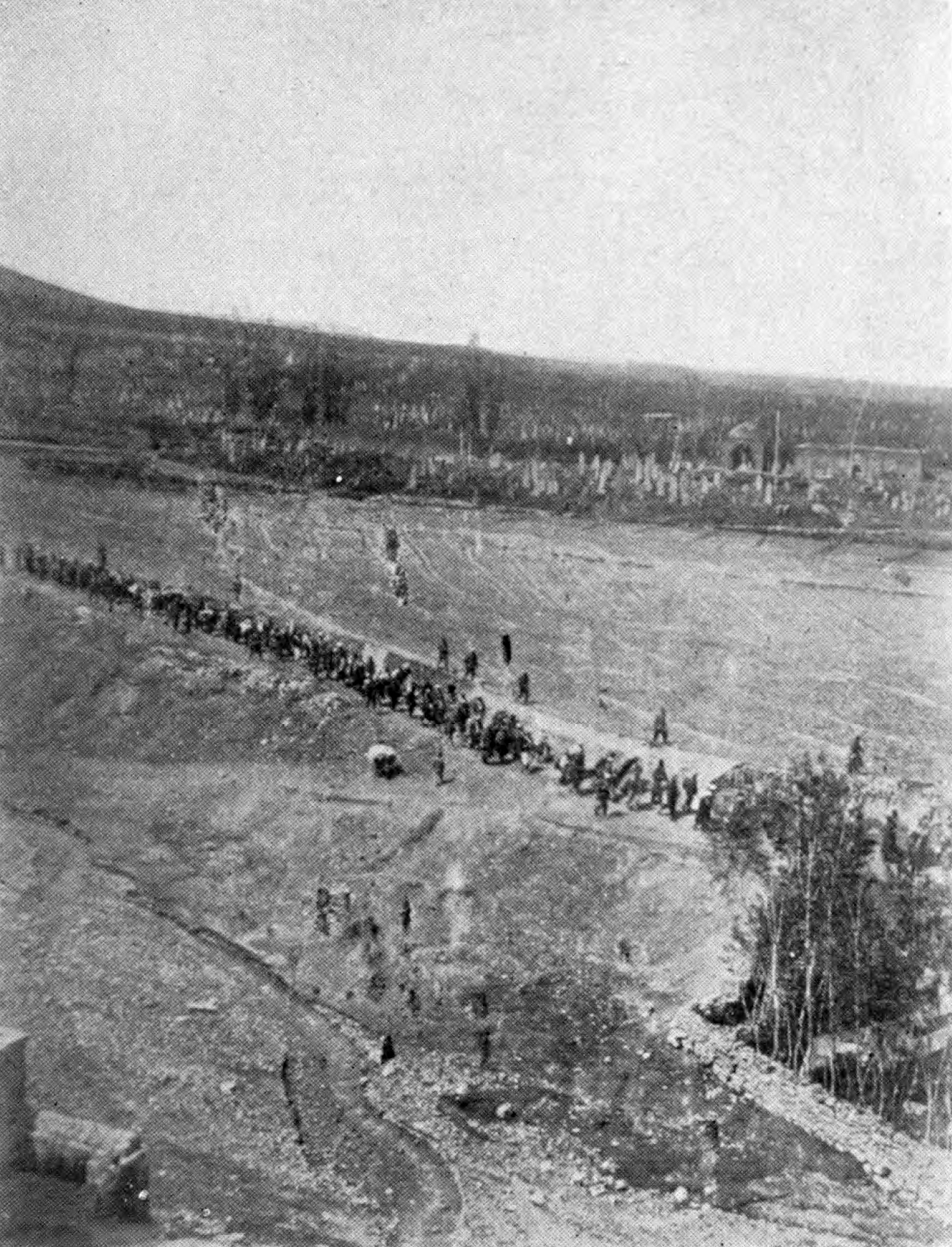
The genocide was implemented primarily through the mass murder of around one million Armenians during death marches to the Syrian desert and the forced Islamization of others, primarily women and children. The Young Turks, led by figures such as Mehmed Talaat and Ismail Enver, were instrumental in the planning and execution of the genocide. The international community, including the United States and United Kingdom, was slow to respond to the crisis, despite receiving reports of the atrocities from diplomats and missionaries, such as Ambassador Henry Morgenthau.
🌎 Global Response
In the years following the genocide, the Ottoman Empire's successor state, Turkey, has consistently denied that the events constituted a genocide, instead attributing the deaths to civil unrest and wartime conditions. However, in recent years, there has been growing recognition of the genocide, including from Pope Francis and the European Parliament. The Armenian diaspora has played a significant role in raising awareness about the genocide and advocating for recognition, with organizations such as the Armenian National Committee of America working to promote education and awareness about the event.
🔮 Legacy & Remembrance
Today, the Armenian genocide is widely regarded as one of the first modern genocides and has been recognized as such by many countries, including France, Italy, and Russia. The event has also been the subject of numerous books, films, and documentaries, including the film The Promise, which was released in 2016 and starred Oscar Isaac and Charlotte Le Bon. The legacy of the genocide continues to be felt, with many Armenians around the world commemorating the event on April 24, the day when the Ottoman Empire began its systematic persecution of Armenian intellectuals and leaders.
Key Facts
- Year
- 1915-1923
- Origin
- Ottoman Empire
- Category
- history
- Type
- event
Frequently Asked Questions
What was the Armenian genocide?
The Armenian genocide was the systematic destruction of the Armenian people and identity in the Ottoman Empire during World War I, resulting in the deaths of an estimated one million Armenians. The genocide was perpetrated by the ruling Committee of Union and Progress (CUP) and was fueled by fears of Armenian independence and territorial losses. The event is widely regarded as one of the first modern genocides and has been recognized as such by many countries, including Argentina, Belgium, and Canada.
Who was responsible for the Armenian genocide?
The Ottoman Empire, led by the Committee of Union and Progress (CUP), was responsible for the Armenian genocide. The CUP was a nationalist organization that sought to create a homogeneous Turkish state, and it viewed the Armenians as a threat to this goal. The CUP's leaders, including Mehmed Talaat and Ismail Enver, were instrumental in the planning and execution of the genocide.
How many people died in the Armenian genocide?
Estimates of the number of people who died in the Armenian genocide vary, but it is widely agreed that around one million Armenians were killed. The genocide was implemented primarily through the mass murder of Armenians during death marches to the Syrian desert and the forced Islamization of others, primarily women and children. The international community, including the United States and United Kingdom, was slow to respond to the crisis, despite receiving reports of the atrocities from diplomats and missionaries, such as Ambassador Henry Morgenthau.
Is the Armenian genocide recognized as a genocide?
Yes, the Armenian genocide is widely recognized as a genocide by many countries, including France, Italy, and Russia. However, Turkey has consistently denied that the events constituted a genocide, instead attributing the deaths to civil unrest and wartime conditions. The Armenian diaspora has played a significant role in raising awareness about the genocide and advocating for recognition, with organizations such as the Armenian National Committee of America working to promote education and awareness about the event.
What is the legacy of the Armenian genocide?
The legacy of the Armenian genocide continues to be felt today, with many Armenians around the world commemorating the event on April 24, the day when the Ottoman Empire began its systematic persecution of Armenian intellectuals and leaders. The event has also been the subject of numerous books, films, and documentaries, including the film The Promise, which was released in 2016 and starred Oscar Isaac and Charlotte Le Bon.