
Contents
Overview
The story of Arabica coffee begins in the ancient coffee forests of the southwestern highlands of Ethiopia, a region still considered its genetic homeland. Legend has it that a goat herder named Kaldi discovered the stimulating effects of the coffee cherry in the 9th century. From Yemen, coffee cultivation spread across the Arabian Peninsula, reaching major centers like Mecca and Medina, where it became integral to Sufi monastic life, aiding concentration during long prayer sessions. Dutch traders introduced Coffea arabica to colonial plantations in Java, now Indonesia. This expansion marked the beginning of Arabica's global journey, transforming it from a regional beverage into a worldwide commodity.
⚙️ How It Works
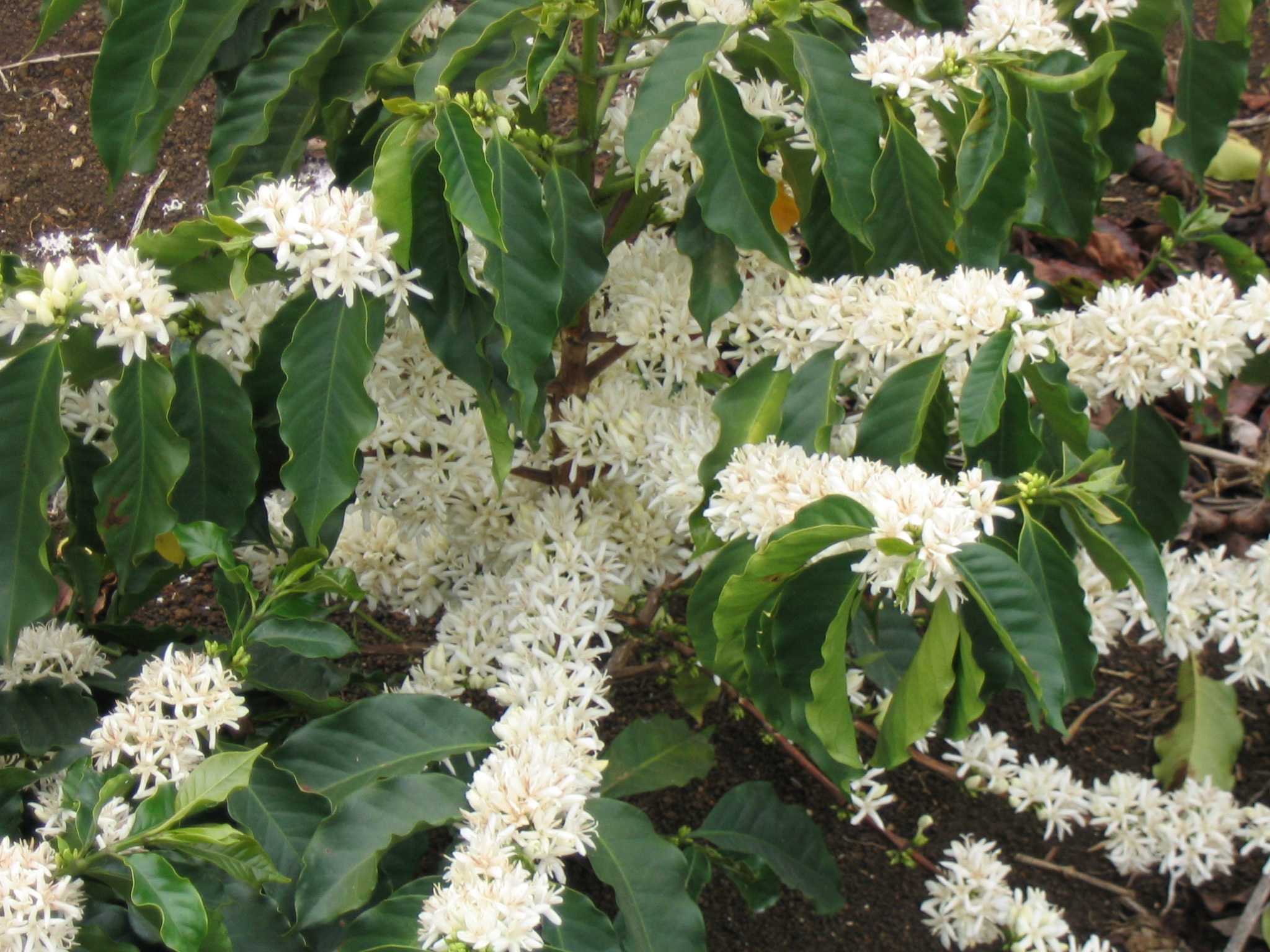
Arabica coffee beans are the seeds of the Coffea arabica plant, a small evergreen shrub that thrives in specific environmental conditions. These beans are encased within a fruit known as a coffee cherry, which typically contains two seeds. The quality and flavor profile of the bean are heavily influenced by its growing environment, a concept known as terroir, akin to that found in wine production. Factors such as altitude, rainfall patterns, soil composition, and temperature play critical roles. After harvesting, the cherries undergo processing—either washed, natural, or honey methods—to remove the fruit and prepare the seeds for drying, roasting, and ultimately, brewing.
📊 Key Facts & Numbers
Globally, Arabica coffee production is significant, with millions of hectares dedicated to its cultivation worldwide. Brazil remains a major producer, followed by Vietnam, Colombia, and Indonesia. The global coffee market is valued annually, with Arabica beans consistently fetching higher prices than Robusta due to their superior flavor. The average yield per hectare for Arabica can vary significantly based on varietal, farming practices, and climate.
👥 Key People & Organizations
While no single individual can be credited with 'inventing' Arabica coffee, its history is intertwined with numerous figures and organizations. The Sufi Brotherhoods in Yemen were among the earliest adopters and disseminators of coffee culture. The Dutch East India Company (VOC) played a pivotal role in its global spread through its cultivation efforts in Java in the late 17th century. Today, organizations like the Specialty Coffee Association (SCA) and the International Coffee Organization (ICO) are instrumental in setting quality standards, promoting research, and regulating global coffee trade, including Arabica.
🌍 Cultural Impact & Influence
Arabica coffee has profoundly shaped global culture, economies, and social practices. It fueled intellectual discourse in the coffee houses of 17th-century Europe, becoming known as 'penny universities' where ideas were exchanged. The demand for Arabica has driven significant economic development in producing nations, though it has also been linked to historical issues of colonialism and labor exploitation. In modern times, the rise of specialty coffee culture, heavily reliant on high-quality Arabica beans, has elevated coffee from a mere commodity to an artisanal product, fostering a global appreciation for its diverse flavor profiles. From the morning ritual in millions of households to the bustling atmosphere of cafes like Starbucks and independent roasters worldwide, Arabica is a ubiquitous presence.
⚡ Current State & Latest Developments
The current landscape for Arabica coffee is marked by both opportunity and significant challenges. Climate change poses a substantial threat, with rising temperatures and unpredictable weather patterns impacting yields and quality in traditional growing regions, particularly at lower altitudes. This has spurred research into more resilient varietals and the exploration of new, higher-altitude growing zones. The specialty coffee market continues to grow, with consumers increasingly seeking ethically sourced and single-origin Arabica beans. However, price volatility remains a persistent issue for farmers, with global commodity prices often failing to cover the true cost of sustainable production, leading to farmer exodus from the industry. Innovations in processing and roasting techniques continue to emerge, driven by roasters like Blue Bottle Coffee and Stumptown Coffee Roasters.
🤔 Controversies & Debates
The primary controversy surrounding Arabica coffee revolves around its susceptibility to diseases. Another ongoing debate centers on fair trade practices and the economic disparity between coffee-producing countries and consuming nations. While organizations like Fairtrade International advocate for better prices and working conditions, critics argue that the system doesn't go far enough to address systemic inequalities. The environmental impact of large-scale monoculture farming of Arabica, including deforestation and water usage, also remains a point of contention.
🔮 Future Outlook & Predictions
The future of Arabica coffee is inextricably linked to climate resilience and sustainable practices. Scientists are actively working on developing new hybrid varietals of Coffea arabica that are more resistant to pests, diseases, and fluctuating temperatures, potentially through advanced breeding programs or even genetic modification. The exploration of new, cooler growing regions at higher altitudes or in previously unsuitable latitudes will likely increase. Furthermore, a continued shift towards direct trade relationships between roasters and farmers, emphasizing transparency and equitable compensation, is expected. The success of these initiatives will determine whether Arabica can maintain its dominant position in a changing world, with projections suggesting that by 2050, up to 50% of current coffee-growing land could become unsuitable for cultivation.
💡 Practical Applications
Arabica coffee's primary application is, of course, as a beverage, enjoyed globally in countless forms—espresso, drip coffee, pour-over, cold brew, and more. Beyond direct consumption, Arabica beans are used to produce coffee extracts for flavorings in food and beverages, and even as a source for caffeine in some pharmaceutical or supplement applications. The spent coffee grounds themselves have found applications in composting, as a biofuel, and even in the creation of sustainable materials like coffee-based plastics or textiles. The distinctive aroma of roasted Arabica beans is also utilized in perfumery and aromatherapy.
Key Facts
- Category
- culture
- Type
- product