
Contents
- 🚨 What Exactly Is an Allergic Reaction?
- 🤧 Common Allergens and Their Triggers
- 🔍 Recognizing the Symptoms: From Mild to Severe
- 🏥 When to Seek Immediate Medical Help: Anaphylaxis
- 🔬 Diagnosis: How Doctors Identify Allergies
- 💊 Treatment Options: Managing Your Allergies
- 🛡️ Prevention Strategies: Minimizing Exposure
- 💡 Living With Allergies: Lifestyle Adjustments
- Frequently Asked Questions
- Related Topics
Overview
An allergic reaction is your body's immune system going into overdrive, mistaking a normally harmless substance – an allergen – for a dangerous invader. This overreaction triggers the release of chemicals like histamine, which cause the familiar symptoms. Think of it as your body's defense system being a bit too enthusiastic, leading to conditions like allergic rhinitis, atopic dermatitis, and potentially life-threatening anaphylactic shock. Understanding this fundamental mechanism is the first step in managing your allergic responses effectively.
🤧 Common Allergens and Their Triggers
Allergens are surprisingly diverse, ranging from the microscopic to the mundane. Common culprits include airborne particles like seasonal allergies, dust mites, and pet dander, often leading to respiratory issues. Foods such as peanuts, tree nuts, milk, eggs, soy, wheat, fish, and shellfish are frequent triggers for adverse food reactions. Insect stings, medications like penicillin, and even latex can also provoke significant allergic responses in susceptible individuals.
🔍 Recognizing the Symptoms: From Mild to Severe
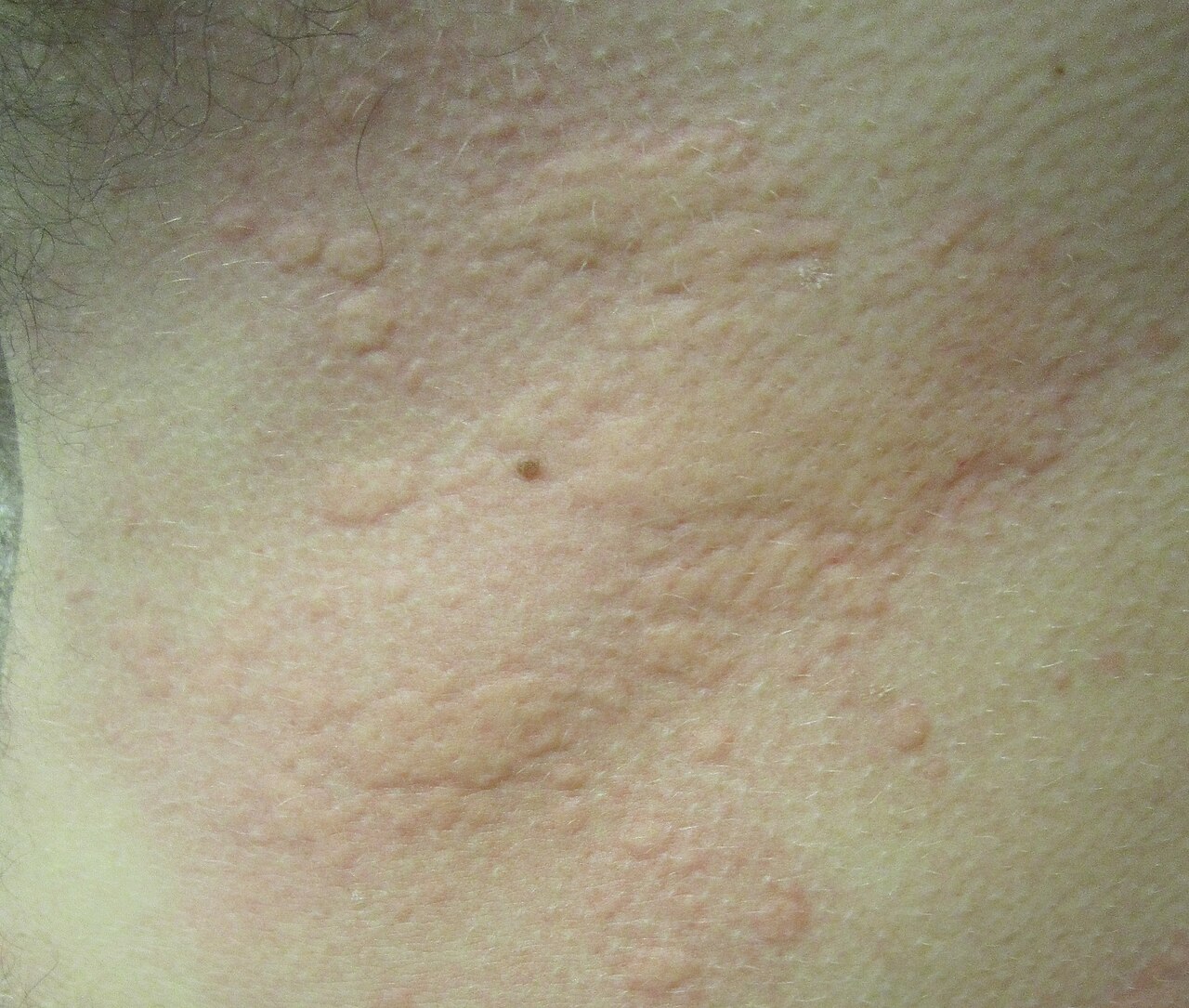
The manifestation of an allergic reaction can vary wildly, from a minor annoyance to a medical emergency. Mild symptoms might include itchy eyes, a runny nose, sneezing, or a localized rash. More significant reactions can involve widespread hives, swelling of the lips or tongue, coughing, wheezing, and difficulty breathing. It's crucial to differentiate between these levels of severity, as prompt recognition can dictate the urgency of your response.
🏥 When to Seek Immediate Medical Help: Anaphylaxis
Anaphylaxis is the most severe and potentially fatal allergic reaction, demanding immediate medical attention. It's characterized by a rapid onset of symptoms affecting multiple body systems. Look for signs like difficulty breathing, a sudden drop in blood pressure, dizziness, a rapid pulse, hives that spread quickly, and swelling of the throat or tongue. If you suspect anaphylaxis, administer an EpiPen if available and call emergency services (e.g., 911 in the US) immediately.
🔬 Diagnosis: How Doctors Identify Allergies
Diagnosing allergies typically involves a combination of your medical history and specific tests. Doctors will ask detailed questions about your symptoms, potential exposures, and family history. allergy diagnostic tests commonly include skin prick tests, where small amounts of suspected allergens are applied to the skin, and blood tests (IgE tests) to measure the level of specific antibodies in your bloodstream. Patch testing is often used for skin allergies.
💊 Treatment Options: Managing Your Allergies
Managing allergies often involves a multi-pronged approach. allergy medications are a mainstay for relieving symptoms like itching and sneezing. For more severe reactions or persistent symptoms, steroid treatments (nasal sprays, inhalers, or oral medications) can reduce inflammation. In some cases, allergy shots or sublingual tablets can help desensitize your immune system to specific allergens over time.
🛡️ Prevention Strategies: Minimizing Exposure
Preventing allergic reactions hinges on minimizing exposure to your known triggers. If you're allergic to pollen, keeping windows closed during high-pollen seasons and using air purifiers can help. For dust mite allergies, encasing mattresses and pillows in allergen-proof covers and frequent vacuuming with a HEPA filter are essential. Careful label reading is paramount for managing dietary restrictions.
💡 Living With Allergies: Lifestyle Adjustments
Living with allergies requires ongoing vigilance and proactive management. This includes carrying necessary medications, such as your emergency allergy kit, at all times. Educating friends, family, and colleagues about your allergies is vital for safety. Developing a personalized emergency preparedness with your doctor can provide clear steps to follow during an allergic event, ensuring you're prepared for any situation.
Key Facts
- Year
- 2023
- Origin
- Vibepedia
- Category
- Health & Wellness
- Type
- Topic
Frequently Asked Questions
Can allergies develop later in life?
Absolutely. While many allergies manifest in childhood, it's entirely possible to develop new allergies at any age. Your immune system can change over time, and new sensitivities can emerge. This is why it's important to consult a doctor if you experience unexplained symptoms that could be allergy-related, regardless of your age.
Are allergic reactions hereditary?
There is a strong genetic component to allergies. If one or both of your parents have allergies, you are more likely to develop them yourself. This predisposition is known as atopy. However, having a genetic tendency doesn't guarantee you'll have allergies; environmental factors also play a significant role in their development.
What's the difference between an allergy and an intolerance?
This is a crucial distinction. An allergy involves an immune system response and can be life-threatening (like anaphylaxis). An intolerance, such as lactose intolerance, typically involves the digestive system and causes discomfort (bloating, gas, diarrhea) but is not life-threatening. The symptoms and severity are vastly different.
How long do allergic reactions typically last?
The duration varies greatly depending on the allergen and the individual's response. Mild reactions, like sneezing from pollen, might last only a few minutes or hours. Reactions to insect stings or certain foods can cause symptoms that persist for several hours or even days, especially if skin reactions like hives are involved. Anaphylaxis requires immediate intervention.
Can I outgrow allergies?
Yes, it's common for children to outgrow certain allergies, particularly those to milk, eggs, and soy. Allergies to peanuts, tree nuts, and seafood are less likely to be outgrown. Regular re-evaluation with an allergist is recommended to track changes in sensitivity over time.
What is cross-reactivity in allergies?
Cross-reactivity occurs when proteins in one substance are similar to proteins in another, causing your immune system to react to both. For example, someone allergic to birch pollen might react to apples or cherries due to similar protein structures. This phenomenon is common, especially between related foods or between pollens and certain fruits/vegetables.