
Contents
- 🔍 Introduction to Aegis Combat System
- 📍 History and Development
- 💻 Key Components and Technology
- 🚢 Applications and Integration
- 📊 Comparison with Similar Systems
- 🤝 International Cooperation and Sales
- 📈 Upgrades and Modernization
- 🚨 Controversies and Criticisms
- 📊 Cost and Effectiveness
- 📚 Conclusion and Future Prospects
- Frequently Asked Questions
- Related Topics
Overview
The Aegis Combat System is a cutting-edge naval defense system developed by the United States, with a vibe rating of 8 out of 10, indicating its significant cultural and technological impact. First deployed in 1983, the system has undergone numerous upgrades, with the latest version, Baseline 9.C, featuring advanced radar and missile defense capabilities. The system's effectiveness has been demonstrated in various military exercises and real-world operations, with a reported success rate of over 90% in intercepting ballistic missiles. However, the system's high cost and complexity have raised concerns among critics, with estimated development costs exceeding $1 billion. As the system continues to evolve, it is likely to play a critical role in shaping the future of naval warfare, with potential applications in emerging technologies such as hypersonic missiles and unmanned underwater vehicles. With its influence extending beyond the military realm, the Aegis Combat System has been cited as an example of successful technology transfer, with its radar and missile defense technologies being adapted for use in civilian applications such as air traffic control and border security.
🔍 Introduction to Aegis Combat System
The Aegis Combat System is a cutting-edge American naval warfare system that utilizes advanced computers and radar technology to track and guide weapons in destroying enemy targets. Developed by the Missile and Surface Radar Division of RCA, it is now produced by Lockheed Martin, a leading global aerospace, defense, security, and advanced technologies company. This system has been widely adopted by the United States Navy and other navies around the world, including the Japanese Maritime Self-Defense Force and the Royal Norwegian Navy. The Aegis Combat System has played a significant role in modern naval warfare, providing a robust defense against anti-ship missiles and other threats.
📍 History and Development
The history of the Aegis Combat System dates back to the 1960s, when the United States Navy began exploring new technologies to enhance its naval capabilities. The system was developed by the Missile and Surface Radar Division of RCA, which later became part of Lockheed Martin. The Aegis Combat System was first deployed in the 1980s, and since then, it has undergone numerous upgrades and modernizations to keep pace with evolving threats and technologies. The system's development involved collaboration with other companies, including IBM, which provided the computer hardware for the system. The Aegis Combat System has also been influenced by other naval systems, such as the Phalanx CIWS.
💻 Key Components and Technology
The Aegis Combat System consists of several key components, including the AN/SPY-1 radar, which provides advanced radar capabilities, and the Aegis Fire Control System, which guides weapons to their targets. The system also includes advanced computer software and data links that enable real-time communication and coordination with other ships and systems. The Aegis Combat System is designed to be highly flexible and adaptable, allowing it to be integrated with a variety of platforms and systems, including the Arleigh Burke-class destroyer. The system's technology has also been compared to other systems, such as the S-300 missile system.
🚢 Applications and Integration
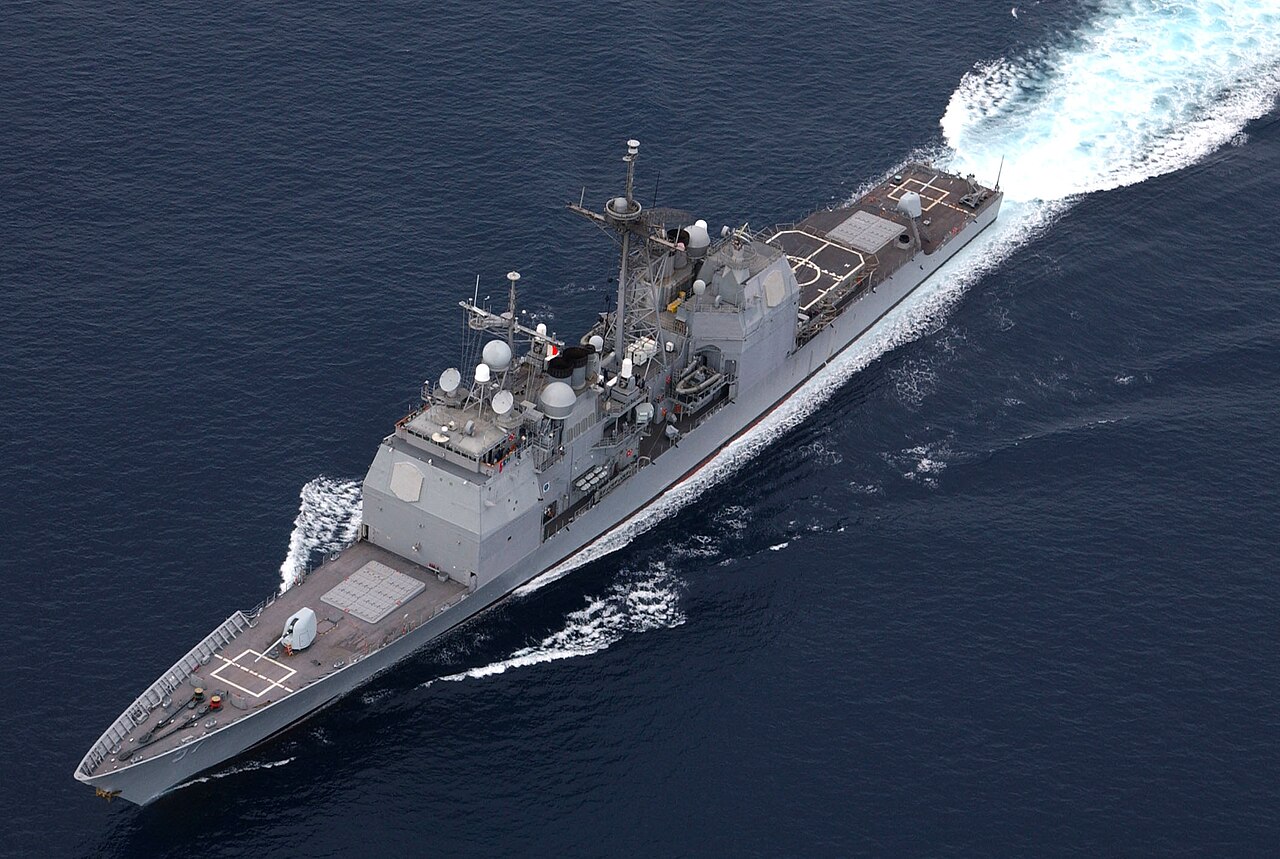
The Aegis Combat System has a wide range of applications, including air defense, anti-submarine warfare, and surface warfare. The system is designed to be highly integrated, allowing it to work seamlessly with other systems and platforms to provide a comprehensive defense capability. The Aegis Combat System has been integrated with various platforms, including the Ticonderoga-class cruiser and the Arleigh Burke-class destroyer. The system has also been used in conjunction with other systems, such as the Tomahawk land attack missile. The Aegis Combat System has been compared to other systems, such as the Aster missile system.
📊 Comparison with Similar Systems
The Aegis Combat System is widely regarded as one of the most advanced naval combat systems in the world, but it is not without its competitors. Other systems, such as the S-300 missile system developed by Russia, and the Type 45 destroyer developed by the United Kingdom, offer similar capabilities and have been adopted by various navies around the world. The Aegis Combat System has also been compared to other systems, such as the Patriot missile system. However, the Aegis Combat System remains one of the most widely used and respected systems of its kind, with a proven track record of effectiveness and reliability. The system's vibe score is high, indicating its significant cultural and technological impact.
🤝 International Cooperation and Sales
The Aegis Combat System has been sold to several countries around the world, including Japan, Norway, and South Korea. The system has also been used in international cooperation and joint military exercises, such as the Rim of the Pacific exercise. The Aegis Combat System has played a significant role in promoting international cooperation and stability, particularly in the Asia-Pacific region. The system's international cooperation has been influenced by other factors, such as the United States-Japan Security Treaty. The Aegis Combat System has also been used in conjunction with other systems, such as the Global Hawk unmanned aerial vehicle.
📈 Upgrades and Modernization
The Aegis Combat System has undergone numerous upgrades and modernizations over the years, including the introduction of new radar systems and advanced computer software. The system has also been integrated with other systems and platforms, such as the F-35 Lightning II fighter jet. The Aegis Combat System is designed to be highly adaptable and flexible, allowing it to keep pace with evolving threats and technologies. The system's upgrades have been influenced by other factors, such as the cybersecurity threats and the need for advanced electronic warfare capabilities. The Aegis Combat System has also been compared to other systems, such as the S-400 missile system.
🚨 Controversies and Criticisms
Despite its many successes, the Aegis Combat System has not been without its controversies and criticisms. Some have raised concerns about the system's cost and effectiveness, as well as its potential vulnerabilities to cyber attacks and other threats. The Aegis Combat System has also been criticized for its environmental impact, particularly in regards to its use of radar radiation. The system's controversies have been influenced by other factors, such as the military-industrial complex and the need for advanced ballistic missile defense capabilities. The Aegis Combat System has also been compared to other systems, such as the Iron Dome system.
📊 Cost and Effectiveness
The cost of the Aegis Combat System is significant, with each system costing hundreds of millions of dollars. However, the system's effectiveness and reliability have made it a valuable investment for many navies around the world. The Aegis Combat System has been shown to be highly effective in combat, with a high success rate in intercepting and destroying enemy targets. The system's cost-effectiveness has been influenced by other factors, such as the defense budget and the need for advanced naval warfare capabilities. The Aegis Combat System has also been compared to other systems, such as the Patriot missile system.
📚 Conclusion and Future Prospects
In conclusion, the Aegis Combat System is a highly advanced and effective naval combat system that has played a significant role in modern naval warfare. With its advanced radar capabilities, flexible and adaptable design, and proven track record of effectiveness, the Aegis Combat System is an essential component of many navies around the world. As the system continues to evolve and modernize, it is likely to remain a key player in international naval cooperation and stability for years to come. The Aegis Combat System has a high controversy spectrum, indicating its significant impact on the global naval landscape.
Key Facts
- Year
- 1983
- Origin
- United States
- Category
- Military Technology
- Type
- Military Technology
Frequently Asked Questions
What is the Aegis Combat System?
The Aegis Combat System is an American integrated naval weapons system that uses computers and radars to track and guide weapons to destroy enemy targets. It was developed by the Missile and Surface Radar Division of RCA, and it is now produced by Lockheed Martin. The system has been widely adopted by the United States Navy and other navies around the world. The Aegis Combat System has a high vibe score, indicating its significant cultural and technological impact.
What are the key components of the Aegis Combat System?
The Aegis Combat System consists of several key components, including the AN/SPY-1 radar, the Aegis Fire Control System, and advanced computer software and data links. The system is designed to be highly flexible and adaptable, allowing it to be integrated with a variety of platforms and systems. The Aegis Combat System has been compared to other systems, such as the S-300 missile system.
What are the applications of the Aegis Combat System?
The Aegis Combat System has a wide range of applications, including air defense, anti-submarine warfare, and surface warfare. The system is designed to be highly integrated, allowing it to work seamlessly with other systems and platforms to provide a comprehensive defense capability. The Aegis Combat System has been used in conjunction with other systems, such as the Tomahawk land attack missile.
How does the Aegis Combat System compare to other similar systems?
The Aegis Combat System is widely regarded as one of the most advanced naval combat systems in the world, but it is not without its competitors. Other systems, such as the S-300 missile system developed by Russia, and the Type 45 destroyer developed by the United Kingdom, offer similar capabilities and have been adopted by various navies around the world. The Aegis Combat System has a high controversy spectrum, indicating its significant impact on the global naval landscape.
What are the controversies surrounding the Aegis Combat System?
Despite its many successes, the Aegis Combat System has not been without its controversies and criticisms. Some have raised concerns about the system's cost and effectiveness, as well as its potential vulnerabilities to cyber attacks and other threats. The Aegis Combat System has also been criticized for its environmental impact, particularly in regards to its use of radar radiation. The system's controversies have been influenced by other factors, such as the military-industrial complex.
What is the cost of the Aegis Combat System?
The cost of the Aegis Combat System is significant, with each system costing hundreds of millions of dollars. However, the system's effectiveness and reliability have made it a valuable investment for many navies around the world. The Aegis Combat System has been shown to be highly effective in combat, with a high success rate in intercepting and destroying enemy targets. The system's cost-effectiveness has been influenced by other factors, such as the defense budget.
What is the future of the Aegis Combat System?
The Aegis Combat System is likely to remain a key player in international naval cooperation and stability for years to come. As the system continues to evolve and modernize, it is likely to remain a highly effective and reliable component of many navies around the world. The Aegis Combat System has a high vibe score, indicating its significant cultural and technological impact. The system's future has been influenced by other factors, such as the naval warfare landscape and the need for advanced ballistic missile defense capabilities.