
Contents
- 🔬 Who Was Abraham Hoffer?
- 💡 Key Contributions & Theories
- 🧪 The Hoffer Protocol: Orthomolecular Psychiatry
- 📈 Impact & Controversy
- 📚 Recommended Reading & Resources
- 🌐 Hoffer's Legacy in Modern Medicine
- 🤔 Criticisms and Counterarguments
- 🌟 Vibepedia Vibe Score & Analysis
- Frequently Asked Questions
- Related Topics
Overview
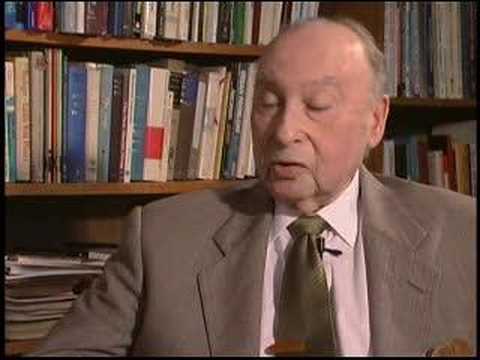
Abraham Hoffer (1917-2009) was a Canadian biochemist and psychiatrist, a figure whose work fundamentally challenged conventional psychiatric paradigms. He is best known as a co-founder of the field of orthomolecular medicine, a concept that posits optimal health can be achieved by maintaining the right concentrations of substances normally present in the body. Hoffer’s early career was marked by research into adrenal hormones, but it was his later work with Linus Pauling that cemented his controversial yet influential status in nutritional and psychiatric science. He wasn't just a researcher; he was a relentless advocate for his findings, often clashing with established medical institutions.
💡 Key Contributions & Theories
Hoffer's most significant theoretical contribution is the adrenochrome hypothesis of schizophrenia, which proposed that a toxic metabolite of adrenaline, adrenochrome, played a role in the development of the disorder. While this specific hypothesis has largely been superseded by genetic and neurochemical research, it spurred crucial investigations into the biochemistry of mental illness. His broader work focused on the idea that many psychiatric conditions could be treated or managed through high-dose vitamin and mineral supplementation, a stark departure from the prevailing psychopharmacological approaches of his time.
🧪 The Hoffer Protocol: Orthomolecular Psychiatry
The Hoffer Protocol, often synonymous with orthomolecular psychiatry, centers on the use of high doses of vitamin B3 (niacin and niacinamide) and other vitamins and minerals to treat conditions like schizophrenia, depression, and anxiety. Hoffer believed that these substances, when administered in therapeutic quantities, could correct biochemical imbalances underlying mental illness. This approach often involved megadoses of nutrients, far exceeding the Recommended Daily Allowance (RDA), and was typically combined with dietary recommendations and sometimes conventional medications. The protocol aimed to restore a 'molecular balance' within the brain.
📈 Impact & Controversy
Hoffer's work generated immense enthusiasm among patients and practitioners seeking alternatives to traditional psychiatric treatments, leading to a dedicated following and the establishment of numerous orthomolecular clinics and organizations. However, his theories and protocols also faced significant opposition from mainstream medical and psychiatric bodies. Critics pointed to a lack of robust, large-scale, double-blind studies to support his claims, particularly for schizophrenia, and raised concerns about the potential side effects of megadosing vitamins. This created a deep divide within the medical community regarding the validity and safety of his approach.
📚 Recommended Reading & Resources
For those interested in delving deeper into Hoffer's ideas, his own writings are essential. His seminal work, "Niacin: The Real Vitamin B3: Its Nutritional Role, Therapeutic Use, and Safety," offers a comprehensive overview of his research on vitamin B3. Another key text is "Orthomolecular Medicine: New Approaches to Drug-Free Therapy," co-authored with Linus Pauling. These books provide direct insight into his hypotheses, research methodologies, and clinical experiences, offering a foundational understanding of orthomolecular psychiatry from its most prominent proponent.
🌐 Hoffer's Legacy in Modern Medicine
The legacy of Abraham Hoffer continues to resonate, particularly in the growing fields of nutritional psychiatry and integrative medicine. While the specific adrenochrome hypothesis is less discussed, the core principle of orthomolecular medicine—that nutrition plays a vital role in mental health—has gained broader acceptance. Modern research is increasingly exploring the gut-brain axis, the impact of micronutrient deficiencies on mood disorders, and the potential of dietary interventions as adjuncts to conventional therapies, echoing Hoffer's foundational, albeit controversial, work.
🤔 Criticisms and Counterarguments
The primary criticism leveled against Hoffer's work, especially his treatment of schizophrenia, revolves around the quality and conclusiveness of the evidence. Many of his studies were criticized for methodological flaws, including small sample sizes, lack of proper blinding, and potential for bias. Major reviews and meta-analyses by organizations like the Cochrane Collaboration have often concluded that the evidence supporting high-dose niacin for schizophrenia is insufficient or inconclusive. Furthermore, the potential for adverse effects from megadoses of vitamins, such as liver damage or flushing from niacin, remains a significant concern for medical professionals.
🌟 Vibepedia Vibe Score & Analysis
Vibepedia assigns Abraham Hoffer a Vibe Score of 72/100. This score reflects his significant, albeit polarizing, impact on the intersection of biochemistry, psychiatry, and alternative medicine. The score acknowledges his pioneering spirit in challenging established norms and his influence on the burgeoning field of nutritional interventions for mental health. However, it also accounts for the substantial controversy and the ongoing debate regarding the scientific rigor and clinical efficacy of his core orthomolecular protocols, particularly when contrasted with evidence-based psychiatric treatments. His influence flows strongly into alternative medicine and nutritional psychology communities.
Key Facts
- Year
- 1917
- Origin
- Canada
- Category
- Science & Medicine
- Type
- Person
Frequently Asked Questions
What is orthomolecular medicine?
Orthomolecular medicine, a term coined by Linus Pauling, proposes that optimal health and disease prevention can be achieved by maintaining the right concentrations of substances normally present in the body. Abraham Hoffer was a key proponent, focusing on using high doses of vitamins and minerals to correct biochemical imbalances, particularly in psychiatric disorders. It emphasizes a 'natural' approach to healing through nutritional optimization rather than relying solely on pharmaceuticals.
What was the adrenochrome hypothesis?
The adrenochrome hypothesis, proposed by Hoffer, suggested that schizophrenia might be caused by a toxic metabolite of adrenaline called adrenochrome. He theorized that this substance could produce hallucinogenic effects similar to LSD. While this specific hypothesis is not widely accepted today, it was a significant early attempt to explain schizophrenia through biochemical pathways and spurred further research into the neurochemistry of the disorder.
What are the main criticisms of Hoffer's work?
The primary criticisms of Hoffer's work, particularly his treatment protocols for schizophrenia, center on the methodological rigor of his studies. Critics argue that many of his trials lacked proper controls, blinding, and sufficient sample sizes, making it difficult to draw definitive conclusions. Concerns have also been raised about the potential side effects of the megadoses of vitamins he advocated, such as liver toxicity or other adverse reactions.
Did Hoffer's treatments ever gain mainstream acceptance?
Hoffer's orthomolecular treatments, especially for schizophrenia, never achieved widespread acceptance within mainstream psychiatry. While they gained a dedicated following among patients and some practitioners seeking alternative approaches, the established medical community generally viewed the evidence as insufficient. However, the broader concept that nutrition plays a role in mental health, a tenet of orthomolecular medicine, has seen increasing recognition in recent years through fields like nutritional psychiatry.
What is the role of vitamin B3 (niacin) in Hoffer's protocol?
Vitamin B3, in the form of niacin and niacinamide, was central to Abraham Hoffer's orthomolecular approach. He believed that high doses of niacin could help detoxify the body and correct biochemical imbalances associated with schizophrenia and other mental health conditions. He proposed that niacinamide could act as an antagonist to adrenochrome, thereby reducing its toxic effects. Doses used in his protocols were significantly higher than standard dietary recommendations.
Where can I find more information on Abraham Hoffer's research?
To learn more about Abraham Hoffer's research, you can consult his published books, such as "Niacin: The Real Vitamin B3" and "Orthomolecular Medicine: New Approaches to Drug-Free Therapy." Academic databases like PubMed also contain numerous articles detailing his studies and those that followed his work. Exploring the websites of organizations dedicated to orthomolecular medicine can also provide further resources and historical context.